
 EN
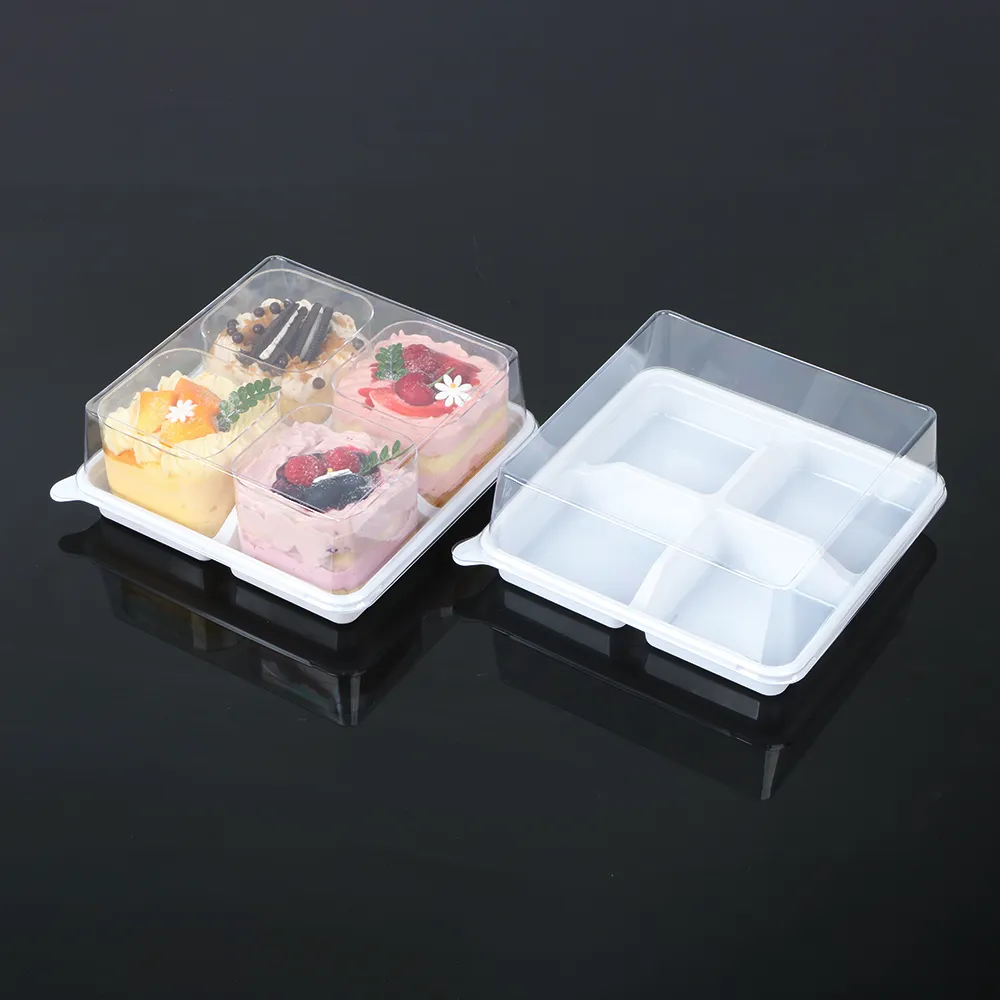
RPET Packaging Sustainability: Driving Circularity in the Food Industry
How Closed-Loop Recycling Powers RPET Packaging Supply Chains
Closed-loop recycling powers rPET packaging supply chains by transforming used bottles and thermoforms into food-grade resin for new packaging. The process begins with collection and high-purity sorting, followed by hot washing, caustic cleaning, and super-clean decontamination to remove contaminants. The cleaned flakes are melted, filtered, and re-pelletized—often with solid-state polymerization to restore intrinsic viscosity. This bottle-to-bottle or tray-to-tray loop keeps material value in circulation and reduces reliance on fossil-based feedstocks.
Deposit return schemes and extended producer responsibility (EPR) laws strengthen feedstock availability for closed-loop systems. Closer collaboration among recyclers, packaging converters, and food producers improves input quality, lowers processing costs, and supports consistent food-grade rPET output. As a result, food brands gain a more resilient supply chain aligned with circular economy goals—and reduced long-term exposure to volatile virgin PET prices. Sustainable packaging thus becomes a practical route to meet recycled-content targets without sacrificing clarity or barrier performance.
Carbon Reduction Evidence: EU Life Cycle Assessment Data for RPET vs. Virgin PET
European life cycle assessment (LCA) data confirm that food-grade rPET carries a significantly lower climate footprint than virgin PET. A 2023 EU LCA comparison shows rPET pellets emit approximately 0.45 kg CO₂-equivalent per kilogram, compared to 2.15 kg CO₂-equivalent for virgin PET—a 79% reduction in cradle-to-gate emissions. These savings stem largely from bypassing energy-intensive polymerization from crude oil; recycled flake primarily requires washing, extrusion, and decontamination.
Lower fossil resource use also reduces acidification and smog-forming emissions. For food manufacturers, these findings support carbon disclosure and Scope 3 reduction strategies—and make rPET an evidence-based choice for science-aligned climate targets. While cumulative benefits grow across multiple recycling loops, minor material losses and polymer degradation necessitate blending with a small share of virgin resin to maintain performance. Independent reviewers note that transport distance and grid carbon intensity influence absolute savings—but the net benefit remains strongly favorable.
FDA, EFSA, and Global Food-Contact Approvals for RPET Packaging
Food-contact rPET packaging must pass process-specific safety reviews before reaching consumers. In the U.S., the FDA issues a no-objection letter only after a recycler demonstrates that its decontamination process reduces surrogate contaminants to safe levels. In the EU, EFSA evaluates each recycling line under Regulation (EU) 2022/1616 using challenge tests and migration modelling. All food-contact plastics must comply with the overall migration limit of 10 mg/dm² under EU Framework Regulation 10/2011.
India’s FSSAI introduced a national mandate in 2025 requiring new PET beverage bottles to contain at least 30% rPET from approved processes. Critically, these approvals are not blanket permissions—they attach to a defined sequence of sorting, washing, extrusion, and solid-state polymerization. Approval is facility- and process-specific; changes to feedstock, wash chemistry, or temperature profiles may trigger revalidation. FDA rules do not cap recycled content—if the process is approved, up to 100% rPET may be used in direct food contact.
Buyers increasingly require certificates of conformity, batch-level traceability, and independent audit trails. This regulatory rigor pushes resin suppliers to document every step—from bale origin to flake purity—transforming rPET into a controlled, food-safe input for high-volume beverage and food lines—not a risky substitute.
Post-Consumer RPET in Direct Food Contact: Safety Consensus and Testing Standards
Safety consensus for post-consumer rPET rests on two pillars: controlled feedstock (i.e., food-grade bottles only) and validated decontamination. Regulators accept rPET in direct food contact when recyclers employ approved processes—including super-clean washing, high-temperature extrusion, and solid-state polymerization.
Challenge testing forms the core of safety validation. Recyclers spike flake with surrogates like toluene, chlorobenzene, and benzophenone, then quantify removal efficiency. Both FDA and EFSA require migration testing to ensure residual levels remain below toxicological thresholds. In practice, this allows post-consumer rPET to be used at up to 100% recycled content for many beverages and dry foods—provided each batch is fully traceable.
Batch-level documentation, incoming flake quality checks, and periodic revalidation create a shared safety record across recyclers, converters, and food brands. This robust framework reduces hesitation around direct food contact and strengthens long-term confidence in rPET for mainstream food applications.
Market Adoption Drivers: Why Food Brands Are Choosing RPET Packaging
Shoppers increasingly favor food products in recycled or recyclable materials—making rPET packaging a practical response to shifting expectations. Retailer mandates and EPR legislation are accelerating adoption, while major food and beverage companies set ambitious recycled-content targets. Lightweighting and design innovations further reduce material use and associated emissions.
These brand ESG commitments, combined with consumer preference and regulatory pressure, create a reinforcing cycle: demand signals investment in collection and food-safe processing, which expands available supply. For food brands, choosing rPET signals accountability without compromising performance or shelf appeal—driving broader market momentum beyond niche sustainability claims.
Performance, Cost, and Scalability of RPET Packaging for Food Applications
rPET packaging delivers high clarity, strength, and heat resistance comparable to virgin PET—making it suitable for food trays, lidding films, and stand-up pouches. However, variability in recycled feedstock can affect color, clarity, and barrier consistency. Robust sorting and quality control are therefore essential for reliable food-contact performance.
From a cost perspective, rPET is generally competitive with laminated paperboard and bioplastics—and carries lower production emissions than virgin PET. Short-term price premiums may arise from limited availability of certified food-grade material and ongoing infrastructure investment, but these are narrowing as capacity scales.
Scalability depends on consistent post-consumer collection, advanced washing technology, and expanded recycling capacity. Certified suppliers with multi-thousand-tonne annual output now serve delis, supermarkets, and global food supply chains. As recycling systems mature, rPET packaging can scale reliably—without trade-offs in performance, safety, or cost efficiency.
FAQ Section
What is rPET packaging?
rPET, or recycled polyethylene terephthalate, is a plastic made from recycled water bottles and other food-grade plastics. It is reprocessed and used to create new packaging materials for food products.
How is rPET better for the environment compared to virgin PET?
rPET drastically reduces carbon emissions—by 79%, according to EU life cycle assessments—and minimizes reliance on fossil-based feedstocks, making it significantly more sustainable.
Is rPET safe for food packaging?
Yes, rPET is safe for food packaging when processed under approved guidelines by organizations like the FDA and EFSA, ensuring stringent safety standards regarding contaminants and migration limits.
What challenges affect the scalability of rPET packaging?
Challenges include variability in feedstock quality, limited post-consumer collection infrastructure, and the need for advanced recycling technologies. However, these hurdles are being addressed as recycling systems mature.
Why are brands adopting rPET packaging?
Brands are choosing rPET packaging due to consumer preference for sustainable products, regulatory pressures, and ESG commitments. It also delivers performance comparable to virgin PET while aligning with circular economy goals.
Table of Contents
-
RPET Packaging Sustainability: Driving Circularity in the Food Industry
- How Closed-Loop Recycling Powers RPET Packaging Supply Chains
- Carbon Reduction Evidence: EU Life Cycle Assessment Data for RPET vs. Virgin PET
- FDA, EFSA, and Global Food-Contact Approvals for RPET Packaging
- Post-Consumer RPET in Direct Food Contact: Safety Consensus and Testing Standards
- Market Adoption Drivers: Why Food Brands Are Choosing RPET Packaging
- Performance, Cost, and Scalability of RPET Packaging for Food Applications
- FAQ Section