
 EN
EN
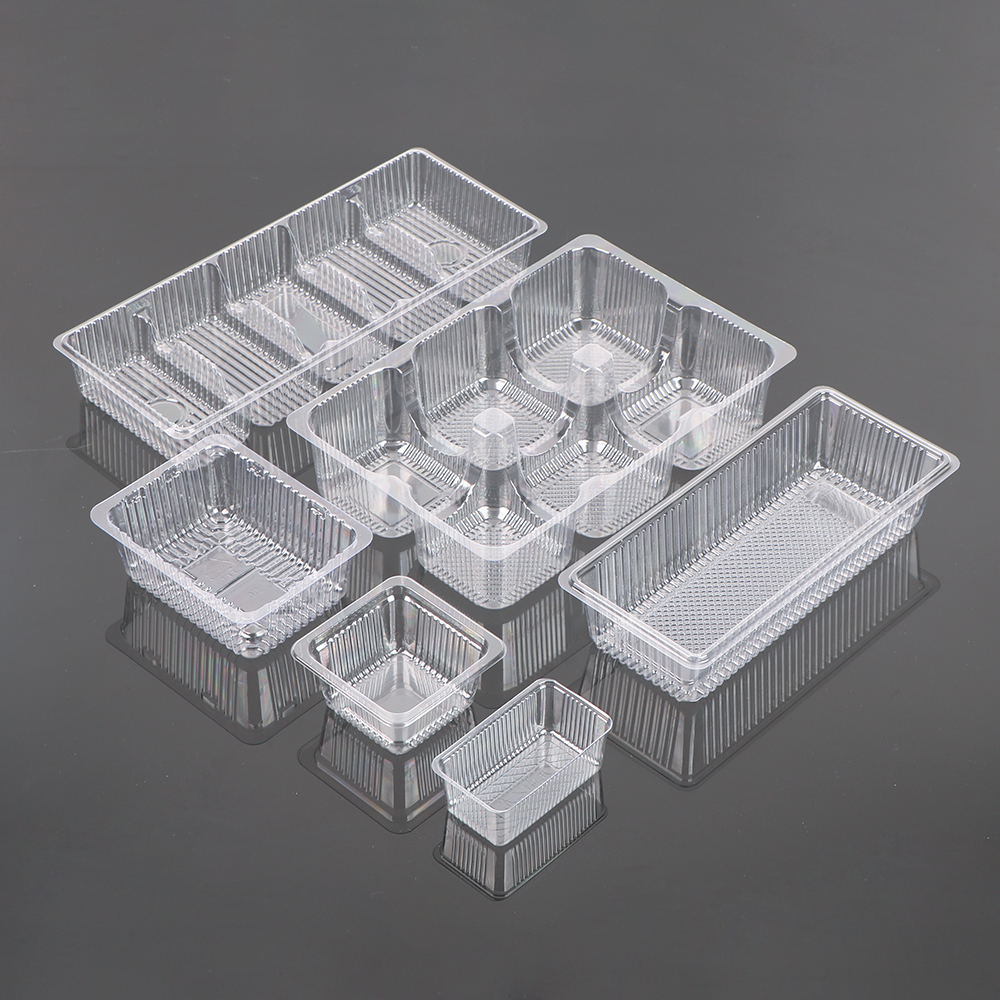
ပလပ်စတစ် ကုကီးထရေးများ၏ အဓိက ကာကွယ်ရေး – ဖိစီးမှုနှင့် တုန်ခါမှုခံနိုင်ရည်
သယ်ယူပို့ဆောင်ရေးနှင့် စက်ရုံအိုင်းတ်တွင် ထရေးများကို စုပုံထားရာတွင် ခံနိုင်ရည်နှင့် ဖိစီးမှုခံနိုင်ရည်
ပလပ်စတစ်ဖုန်စွမ်းကုန်များကို ဒေါင်လိုက်အုပ်စုဖွဲ့ထားသည့်အခါ ဖိစီးမှုကြောင့် ပျက်စီးမှုမရှိသည့်အကြောင်းရင်းမှာ ၎င်းတို့တွင် အထူးအမျှော်မှန်းထားသော အက်က်များ (ribbing) နှင့် ထောင်ထောင်များတွင် အပိုအားဖေးမှုများ ပါဝင်သောကြောင့်ဖြစ်သည်။ အပူဖော်မှုပေးထားသော ပလပ်စတစ်ပစ္စည်းများသည် စတုရန်းပေလျှင် ၅၀ ပေါင်အထက်သော ဖိအားများကို ရင်ဆိုင်ရာတွင် စက္ကူပွဲပုံစံ (cardboard) ထက် ပုံစံကို ပိုမိုကောင်းစွာထိန်းသိမ်းနိုင်သည်။ ထို့ကြောင့် ကုန်ပစ္စည်းများအပေါ်သို့ ဖိအားများကို ပိုမိုညီညာစွာဖြန့်ဖေးပေးပြီး သယ်ဆောင်ရာတွင် ကုန်ပစ္စည်းများအထူးသဖြင့် မုန့်များ ပျက်စီးမှုမရှိစေရန် အထောက်အကူပေးသည်။ ISTA 3E စမ်းသပ်မှုများအရ ဤခိုင်မာသော ဖုန်စွမ်းကုန်များသည် ပုံမှန်စက္ကူပွဲပုံစံ (paperboard) အုပ်စုများနှင့် နှိုင်းယှဉ်ပါက ပျက်စီးမှုကို ၁၈ ရှိသည်။ အထူးသဖြင့် အမြင့် ၈ ပေအထိရှိသော ပလက်ဖောင်းများပေါ်သို့ တင်ပေးသည့်အခါ ပိုမိုထိရောက်သည်။ ဤဖုန်စွမ်းကုန်များသည် အဘယ့်ကြောင့် အလွန်ကောင်းစွာအလုပ်လုပ်နိုင်သနည်း။ အထူးသဖြင့် အပ်စ်များကို တစ်ခုနှင့်တစ်ခု ချိတ်ဆက်ထားသည့် စနစ်သည် အုပ်စုများကို ဘေးဘက်သို့ ရွေ့လျားမှုမရှိစေဘဲ တည်ငြိမ်သော ကြောင်းတန်းများအဖြစ် ဖွဲ့စည်းပေးနိုင်သည်။ ထို့ကြောင့် အတွင်းရှိသော မုန့်များကို ပျက်စီးစေနိုင်သည့် ဖိအားအထူးစုစုပေါ်များ (concentrated pressure points) များကို ဖန်တီးမှုမရှိပါ။
ထိခိုက်မှုစွမ်းအင်ကို စုပ်ယူခြင်း – ပေါ်လီပရောပီလီန်နှင့် HIPS ဖုန်စွမ်းကုန်များသည် ကျ falling မှုကြောင့်ဖြစ်ပေါ်လာသော ပျက်စီးမှုများကို မည်သို့လျော့နည်းစေသနည်း
အထူးသဖြင့် လှုပ်ခတ်မှုအားကောင်းစွာ ခံနိုင်ရည်ရှိသော ပေါလီစီးရီးန် (HIPS) နှင့် ပေါလီပရောပီလီန်တို့သည် မော်လီကျူးများ၏ ပုံစံပြောင်းလဲနိုင်မှုကို အသုံးပြု၍ လှုပ်ခတ်မှုစွမ်းအားကို စုပ်ယူပါသည်။ စံသတ်မှတ်ချက်အရ ၃၀ လက်မ ကျဆင်းမှုစမ်းသပ်မှု (ASTM D5276) တွင် ကုကီးများ ကွဲအက်မှုကို ၂၇% လျော့ကျစေပါသည်။ ရုတ်တရက် လှုပ်ခတ်မှုများအတွင်း—
- ပေါလီပရောပီလီန်သည် ယာယီအားဖြင့် ပုံစံပြောင်းလဲပြီးနောက် ပုံစံအတိုင်း ပြန်လည်ဖော်ထုတ်ကာ အားကို ထည့်သွင်းသည့် ပလိုင်တာများ၏ မျက်နှာပုံတစ်ခုလုံးပေါ်တွင် ဖြန့်ဖြူးပေးပါသည်။
- HIPS သည် ထိန်းချုပ်ထားသော ကွဲအက်မှုဖြစ်ပေါ်စေသည့် ကြွင်းကျန်မှုများကို အသုံးပြု၍ ပြိုကွဲမှုမဖြစ်စေဘဲ ပျက်စီးမှုကို ကာကွယ်ပေးပါသည်။
- ဤပစ္စည်းနှစ်များသည် အန်က်ခ် (notched) လှုပ်ခတ်မှုခံနိုင်ရည် ၂.၅ J/m ထက် ပိုမိုကောင်းမွန်ပါသည် (ISO 180)။ ထို့ကြောင့် စွမ်းအင်ကို ယုံကြည်စွာ စုပ်ယူနိုင်ပါသည်။
ဤစွမ်းဆောင်ရည်သည် ကုန်ပစ္စည်းများကို အလိုအလျောက် ပေးပို့သည့် နေရာများတွင် အထူးအရေးကြီးပါသည်။ ထိုနေရာများတွင် ကုန်ပစ္စည်းများ ကိုင်တွယ်မှုနှင့် ဆက်စပ်သည့် ပျက်စီးမှုများ၏ ၂၂% ဖြစ်ပါသည်။
အလိုအလျောက် ကိုင်တွယ်မှုနှင့် အဆင့်များစွာ စုစည်းထားမှုတွင် ဖွဲ့စည်းပုံဆိုင်ရာ တည်ငြိမ်မှုကို ထိန်းသိမ်းခြင်း
အမြန်နှုန်းမြင့် ထုပ်ပိုးရေးလိုင်းများတွင် အရွယ်အစားအတိအကျကို ထိန်းသိမ်းခြင်း
တစ်မိနစ်ကို ယူနစ် ၂၀၀ ကျော်နှုန်းနဲ့ လည်ပတ်တဲ့အခါ ပလပ်စတစ် ကွတ်ကီးအိုးတွေဟာ ပြဿနာမရှိပဲ တိကျတဲ့ တိုင်းတာမှုတွေကို ထိန်းထားတယ်။ ဒီတဲတွေနောက်ကွယ်က အထူးနည်းပညာက သယ်ယူပို့ဆောင်ရေးစက်တွေ ရုတ်တရက် အရှိန်မြှင့်တာ (သို့) နှေးလာတဲ့အခါ ခေါက်တာ (သို့) ကွေးတာ တားဆီးပေးတယ်။ ဒါက အလိုအလျောက် ကောက်ယူတဲ့ စက်တွေအတွက် အရာတိုင်းကို မှန်ကန်စွာ တန်းစီထားစေတယ်။ ဒီတုံးတွေဟာ ပူပြင်းတဲ့ မုန့်ဖုတ်ဖိုတွေထဲ ဖြတ်သွားပြီးနောက်မှာ အေးသွားတဲ့အခါတောင် တည်ငြိမ်နေတုန်းပါ။ ဒါ့အပြင် ထုပ်တိုင်းဟာ နောက်တစ်ခုနဲ့ တူနေလို့ ကျုံ့သွားတဲ့ ထုပ်ပိုးမှု နေရာကနေ တွယ်မနေပဲ အဆင်ပြေစွာ ရွေ့ရှားပါတယ်။ တုန်ခါမှု နည်းတာက ထရပ်တွေထဲမှာ လှုပ်ရှားမှု နည်းစေပြီး ဒါက ဖိအားအောက်မှာ မခံနိုင်လောက်တဲ့ ပိုပျော့တဲ့ ပစ္စည်းတွေနဲ့ ယှဉ်ရင် ထုတ်လုပ်မှု ရပ်တန့်မှုကို ၃၄ ရာခိုင်နှုန်းလောက် လျှော့ချပေးပါတယ်။
ASTM D642 စံနှုန်းများအရ ဝန်ထုပ်ဖြန့်ဝေမှုနှင့် ထုပ်ပိုးမှု စွမ်းဆောင်ရည်
ဖွဲ့စည်းပုံဆိုင်ရာ အမြှောင်များနှင့် ထို ချိတ်ဆက်ထားသော ထောင့်များကို ပေါင်းစပ်ခြင်းဖြင့် ပလပ်စတစ် ထည့်သွင်းရန် ပလိတ်များသည် ၎င်းတို့၏ မျက်နှာပုံတ whole လုံးပေါ်တွင် ဒေါင်လိုက် အလေးချိန်ကို အလွန်ညီညီမျှမျှ ဖြန့်ဖြူးပေးနိုင်ပါသည်။ ASTM D642 စမ်းသပ်မှုများအရ ဤပလိတ်များသည် အလေးချိန် ၁၅၀ ပေါင်ကျော်ကို ထိန်းသိမ်းနိုင်ပါသည်။ ဤအလေးချိန်သည် ပစ္စည်းများကို စုပုံထားသည့်အခါ စက်ရုံများအများစုတွင် လိုအပ်သည့် အလေးချိန်ထက် ၄၀ ရှိသည်။ ဤအားကောင်းမှုများကြောင့် ပလိတ်များကို ပလိတ် ၈ ခုအထိ စုပုံနိုင်ပါသည်။ ပလိတ်များ ကွေးသွားခြင်း သို့မဟုတ် ပုံပျက်သွားခြင်းကို စိုးရိမ်စရာမလိုပါ။ ထို့အပါအဝင် အောက်ခြေတွင် ထားရှိသည့် ပစ္စည်းများ ဖိစီးပါက ပျက်စီးမှုကို ကာကွယ်ပေးနိုင်ပါသည်။ လက်တွေ့အသုံးပျော်မှုများအရ ဤ အလေးချိန်ကို ထိန်းသိမ်းနိုင်မှုသည် ပို့ဆောင်ရေးအတွင်း ပျက်စီးမှုကို အများအားဖြင့် စတုတ္ထသုံးပုံတွင် လျော့နည်းစေပါသည်။ ထို့ထက်ပိုမောင်းသည်များမှာ ပို့ဆောင်ရေးနှင့် သိုလှောင်ရေးအတွင်း ပုံမှန်အပူချိန်ပေါ်တွင် မှီခိုပါက ပလိတ်များသည် ၀.၉၅ ထက်များသည့် အချိုးဖြင့် ကောင်းမွန်သည့် ဖိအားတည်ငြိမ်မှုကို ထိန်းသိမ်းနိုင်ပါသည်။
ပလပ်စတစ် ကုကီးထည့်သွင်းရန် ပလိတ်များ၏ မာကြေမှုကြောင့် အသစ်သော အရသာကို ပိုမိုကာကွယ်ပေးခြင်း
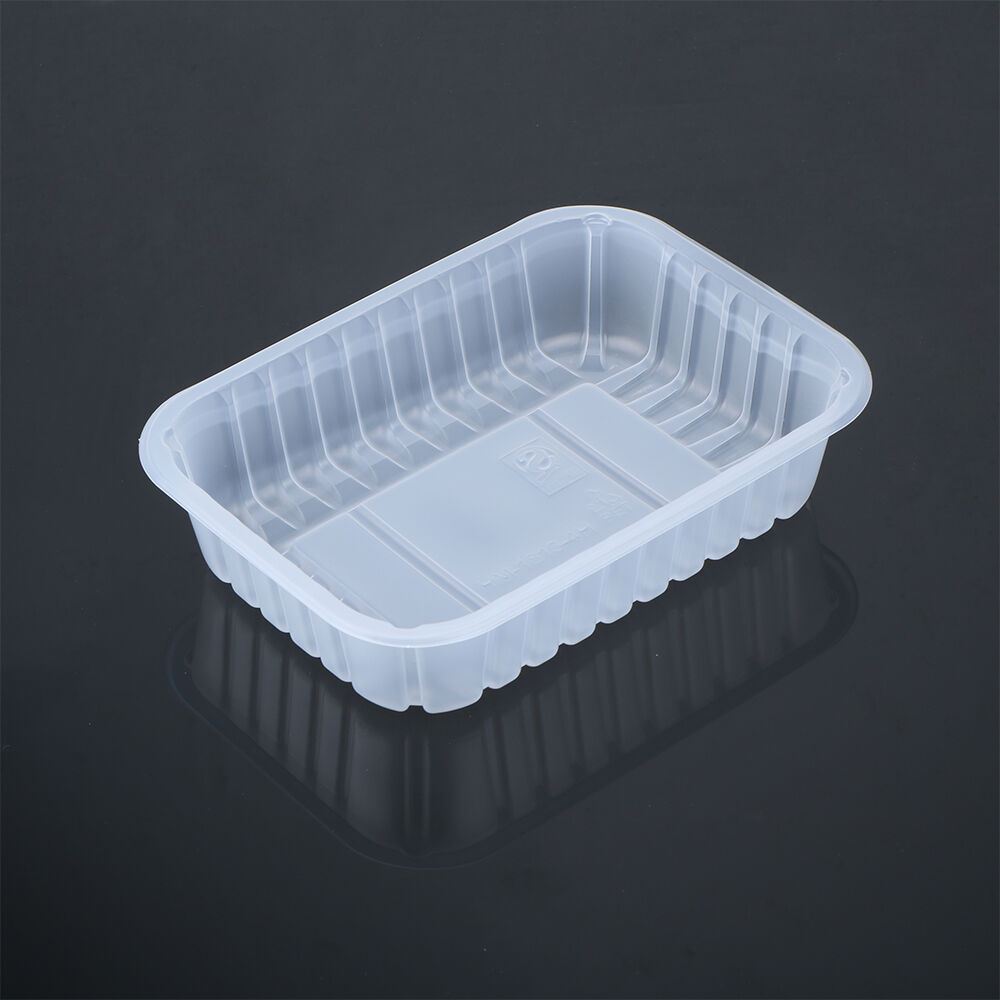
ဖွဲ့စည်းပုံဆိုင်ရာ တည်ငြိမ်မှုသည် ပေါင်းစပ်ထားသည့် စိုထိုင်းမှုနှင့် အောက်ဆီဂျင် အတားအဆီး ပလပ်စတစ်ပြားများကို မည်သို့ ပံ့ပိုးပေးသည်
ပလပ်စတစ်ထရေးများ၏ မာကျောသော သဘောသည် ၎င်းတို့ကို သယ်ဆောင်ခြင်း သို့မဟုတ် စုစည်းထားခြင်းအခါ ကွေးခြင်းမှ ကာကွယ်ပေးပါသည်။ ထို့ကြောင့် အနှောင့်အယှက်ဖြစ်စေသော ပလပ်စတစ်ပါးလွှာများနှင့် ကုကီးများအကြား အမြဲတမ်း မာကျောသော ထိတ်တွေ့မှုရှိနေပါသည်။ ထိုကဲ့သို့သော ဖွဲ့စည်းပုံဆိုင်ရာ တည်ငြိမ်မှုသည် သတ္တု သို့မဟုတ် ပေါလီမာများဖြင့် ပုံဖော်ထားသော အလွှာများစုပုံထားသည့် ပါးလွှာများ အလွန်ကောင်းမွန်စွာ အလုပ်လုပ်နိုင်ရန် အထောက်အကူပုံစံဖော်ပေးပါသည်။ ထိုသို့သော အလွှာများသည် အောက်စီဂျင် ဖြတ်သန်းမှုကို ပုံမှန်အထုပ်အိတ်များထက် ၉၇ မှ ၉၉ ရှိသည့် အရှိန်အဟောင်းများကို လျှော့ချပေးပါသည်။ ထရေးများသည် ပုံစောင်မှုမရှိသည့်အခါ အလွန်သေးငယ်သော အကွာအဝေးများ ဖွဲ့စည်းမှုကို တားဆီးပေးပါသည်။ ထို့ကြောင့် ထုတ်လုပ်သူများသည် ထုတ်ကုန်များကို ၃၀ ရက်ကြာအောင် သိုလှောင်ပြီးနောက်တွင်ပါ စိုထိုင်းဆကို ရှိသည့် အခါ ၀.၅ ရှိသည့် အထိ ထိန်းသိမ်းနိုင်ပါသည်။ ထို့အပြင် ထိုထရေးများ၏ ပုံစောင်မှုကို ထိန်းသိမ်းနိုင်မှုသည် ပြောင်းလဲသော လေထုအထုပ်အိတ်များတွင် ဓာတ်ငွေစဥ်များ၏ မှန်ကန်သော အချိုးကို ထိန်းသိမ်းပေးပါသည်။ ထိုသို့သော အထုပ်အိတ်များသည် ထိန်းချုပ်ထားသည့် အခြေအနေများအောက်တွင် စမ်းသပ်မှုများအရ မုန့်များ ခြောက်သွေ့လာမှုကို ၄၀ ရှိသည့် အထိ နှေးကွေးစေပါသည်။
- အောက်ဆီဂျင်ပိတ်ပင်ခြင်း ပါးလွှာများ ကွဲထွက်ခြင်းကို ကာကွယ်ပေးပါသည်။ OTR သည် <၁၀ cc/m²/နေ့ ဖြစ်ပါသည်။
- လောင်းထိန်းချိန်ထိန်းသိမ်းမှု ရေစိုစွန်းမှု ၀.၁ ဂရမ်/ရက် အောက်တွင် ပုံသေသော အပိတ်အနှောင့်အထောက်ဖြစ်မှုကို အာမခံပေးသည်။
- ဓာတ်ငွေသိုလှောင်မှု မိုက်ခရိုဘီယဲလ် အပေါ်ယံပိုင်း ဖွံ့ဖေါ်မှုကို ၃ လော့ဂ် ယူနစ်ဖြင့် လျော့နည်းစေရန် အိုင်ထရိုဂျင်/ကာဗွန်ဒိုင်အောက်ဆိုဒ် MAP ရောစပ်မှုများကို ထိန်းသိမ်းပေးသည်။
ဤအပေါင်းစပ်မှုသည် စားသုံးနိုင်မှုကာလကို ၅၀% အထိ ရှည်လျားစေပြီး စုံစမ်းစစ်ဆေးမှု သိုလှောင်ရာတွင် စိုထိုင်းဆ ပြောင်းလဲမှုများကြောင့် အသွင်အပြင် ပျက်စီးမှုကို ကာကွယ်ပေးသည်။
လက်တွေ့ဘဝ စွမ်းဆောင်ရည် – ပလပ်စတစ် ကုကီးထရေးမှု အသုံးပြုခြင်းဖြင့် ပျက်စီးမှု လျော့နည်းမှုကို တိကျစွာ တွက်ချက်ခြင်း
ပလပ်စတစ် ကုကီးထရေးမှုသို့ ပြောင်းလဲခြင်းဖြင့် ကုကီးများ ပို့ဆောင်ရေးနှင့် စုံစမ်းစစ်ဆေးမှု သိုလှောင်ရာတွင် ကုကီးများ ကွဲပဲခြင်းကို ၁၅–၃၀% အထိ လျော့နည်းစေသည် (Food Logistics ၂၀၂၃)။ ဤတိုးတက်မှုသည် ထိုထရေးများ၏ အင်ဂျင်နီယာပြုလုပ်ထားသော ဖိစီးမှုခံနိုင်ရည်နှင့် တုန်ခါမှုစုပ်ယူမှုတွင် အခြေခံပါသည်။ ထို့ကြောင့် ထုတ်ကုန်ဆုံးရှုံးမှုနှင့် သက်ဆိုင်ရာ စရိတ်များကို လျော့နည်းစေသည်။ ထုတ်လုပ်သူများအတွက် ဤပြောင်းလဲမှုသည် အောက်ပါအတိုင်း အကျိုးကျေးဇူးများကို ပေးစေသည်။
- ပျက်စီးမှုအတွက် အိုင်တီအိုင်အို လျော့နည်းမှုများကြောင့် တစ်ခုလျှင် ၀.၀၂–၀.၀၅ ဒေါ်လာ စုံစမ်းစစ်ဆေးမှု စရိတ်ချွေတာမှု ပျက်စီးမှုအတွက် အိုင်တီအိုင်အို လျော့နည်းမှုများကြောင့်
- ပို့ဆောင်ရေးအတွင်း ကုကီးများ မပျက်စီးဘဲ အသွင်အပြင် ပြည့်စုံစွာ ရောက်ရှိမှုကြောင့် ပြန်လည်ပေးပို့မှု ၁၂% လျော့နည်းခြင်း ပို့ဆောင်ရေးအတွင်း ကုကီးများ မပျက်စီးဘဲ အသွင်အပြင် ပြည့်စုံစွာ ရောက်ရှိမှုကြောင့်
- ပေါင်းစည်းမှုနှုန်း ၂၅% မြန်ဆန်သည် အကောင်းဆုံးဖွဲ့စည်းထားသော စီတန်းခြင်း စံချိန်စံညွှန်းကြောင့် ဖြစ်ပါသည်
လုပ်ငန်းဆောင်တာများမှ စုစုပေါင်း ဒေတာများအရ မာကြောသော ထရေးများကို အသုံးပြုသည့် စက်ရုံများတွင် ထုတ်လုပ်မှုပြီးနောက် အကုန်စုံမှု ၁၈% လျော့နည်းလာပါသည် (ခုနှစ်လအတွင်း) — ဤသည်မှာ ISTA၊ ASTM နှင့် ISO စမ်းသပ်မှုများတွင် အတည်ပြုထားသော ဖွဲ့စည်းပုံဆိုင်ရာ အားသောင်းများကို အတည်ပြုပေးပါသည်။
အကြောင်းအရာများ
- ပလပ်စတစ် ကုကီးထရေးများ၏ အဓိက ကာကွယ်ရေး – ဖိစီးမှုနှင့် တုန်ခါမှုခံနိုင်ရည်
- အလိုအလျောက် ကိုင်တွယ်မှုနှင့် အဆင့်များစွာ စုစည်းထားမှုတွင် ဖွဲ့စည်းပုံဆိုင်ရာ တည်ငြိမ်မှုကို ထိန်းသိမ်းခြင်း
- ပလပ်စတစ် ကုကီးထည့်သွင်းရန် ပလိတ်များ၏ မာကြေမှုကြောင့် အသစ်သော အရသာကို ပိုမိုကာကွယ်ပေးခြင်း
- လက်တွေ့ဘဝ စွမ်းဆောင်ရည် – ပလပ်စတစ် ကုကီးထရေးမှု အသုံးပြုခြင်းဖြင့် ပျက်စီးမှု လျော့နည်းမှုကို တိကျစွာ တွက်ချက်ခြင်း