
 EN
EN
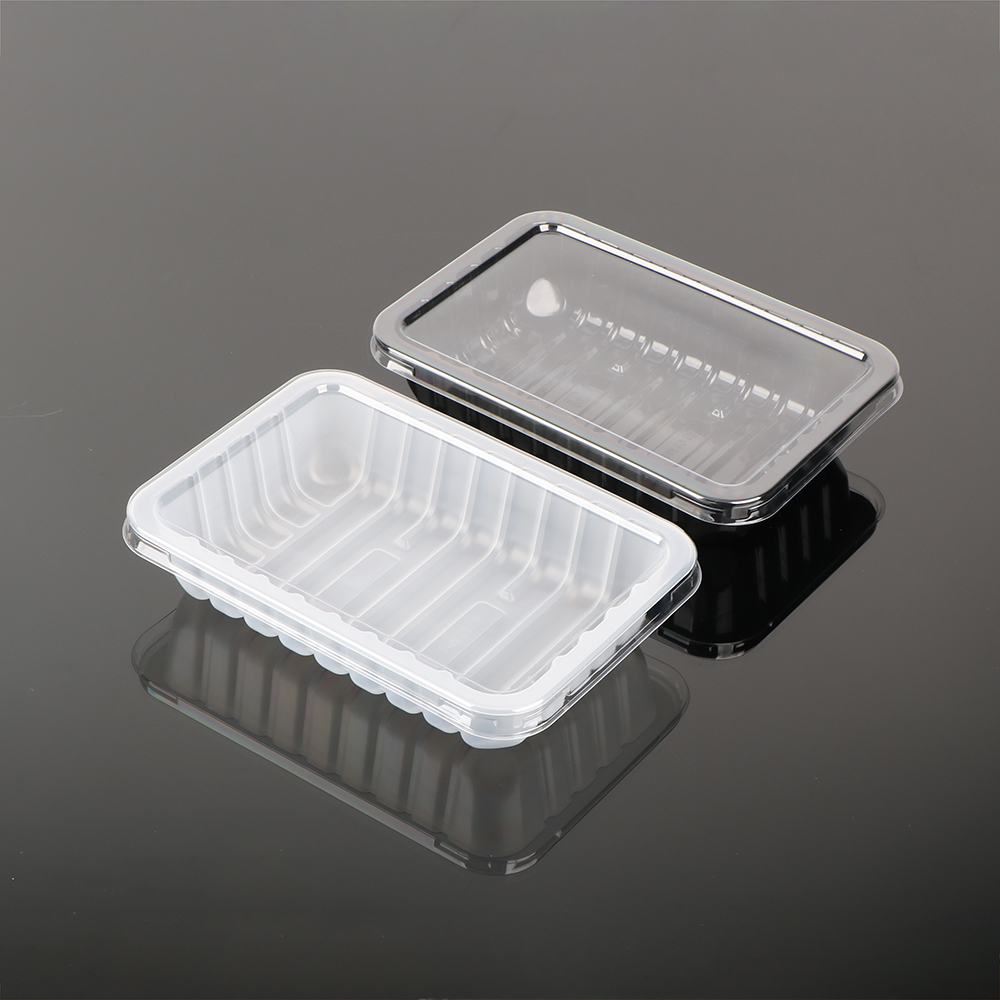
재료 과학: 샐러드 신선도 및 식품 안전성에 맞는 폴리머 특성 선정
PET 대 PP 대 PLA: 냉장 유통망 적합성, 투명성 및 강성 간의 균형
샐러드 클램쉘 포장재에 적합한 폴리머를 선택하는 것은 유통기한, 식품 안전성 및 소비자 인식에 직접적인 영향을 미칩니다. PET(폴리에틸렌 테레프탈레이트)는 뛰어난 투명성을 제공하여 신선한 재료의 시각적 매력을 강화하고, 운송 및 소매 점포에서 취급 중에 연약한 채소류를 보호하기 위한 높은 강성을 갖추고 있습니다. 그러나 PET는 0°C 이하에서 취성화되어 냉동 또는 초저온 물류 환경에서 파손 위험이 증가합니다. PP(폴리프로필렌)는 저온에서 더 높은 유연성과 우수한 내습성을 제공하여 미생물 성장 및 부패를 가속화하는 응축수 발생을 줄입니다. 다만 PP의 광학적 투명도는 PET보다 낮아 제품 가시성이 제한됩니다. PLA(폴리락틱산)는 재생 가능한 옥수수 전분에서 유래한 산업용 퇴비화 가능 소재이지만 기능상의 타협을 요구합니다. 즉, PLA의 산소 투과율은 PET보다 30배 높아 잎채소의 산화 및 갈변 속도를 가속화합니다. 업계 자료에 따르면, 냉장 샐러드 포장재로 PET 대신 PLA를 사용할 경우 냉장 유통 체인 실패율이 18% 상승하며, 이는 지속가능성 추구와 실제 성능 사이의 격차를 명확히 보여줍니다.
지속 가능한 대체재(바가스, 성형 섬유, 퇴비화 가능 PLA): 보관 기간 현실과 인증 요건
사탕수수 섬유인 바가스(bagasse) 및 성형 섬유(molded fiber)와 같은 친환경 소재는 순환 경제 목표에 부합하지만, 구조적·차단성 한계로 인해 신선도에 영향을 미칩니다. 이러한 소재 고유의 다공성은 수증기 및 산소에 대한 차단 능력을 극히 제한적으로 제공하므로, 샐러드 채소의 유통기한이 PP 클램셸(clamshell) 대비 25% 단축됩니다. 퇴비화 가능한 PLA는 산업용 퇴비화 가능성을 검증하기 위해 ASTM D6400 기준을 충족해야 하며, 북미 지역에서 가장 널리 인정받는 검증은 BPI(Biodegradable Products Institute) 인증입니다. 그러나 PLA의 수분 차단 성능은 여전히 현저히 낮아, PP 대비 수증기 투과량이 40% 더 높아 식감 저하 및 물러짐(risk of sogginess and texture degradation)을 유발할 수 있습니다. 가정용 퇴비화 가능성을 주장할 경우 엄격한 검증이 필수적이며, 독일 DIN CERTCO 또는 오스트리아 TÜV Austria의 인증서만이 가정 조건 하에서의 성능을 신뢰성 있게 입증합니다. 대부분의 PLA 및 섬유 기반 솔루션은 산업용 인프라에 의존하지만, 현재 미국 가구의 60% 이상이 해당 인프라에 접근할 수 없으므로, 정확한 라벨링과 현실적인 소비자 기대치 설정이 필수적입니다.
기능적 성능: 샐러드 클램쉘 포장의 누출 방지, 환기성 및 재밀봉 가능성
벽 두께 및 밀봉 설계를 통한 드레싱 이동 방지 및 구조 붕괴 방지
최적의 벽 두께—일반적으로 PET 용기의 경우 0.4–0.7 mm—는 구조적 강성을 재료 효율성과 균형 있게 확보합니다. 이 두께 범위는 팔레트 적재 시 압축에 저항하면서 과도한 플라스틱 사용을 최소화합니다. 특히 이 두께는 미리 버무린 샐러드에서 드레싱 이동을 방지하여 소비자 불만의 주요 원인을 차단합니다. 2023년 업계 자료에 따르면 보고된 포장 결함의 23%가 누출 문제로 인한 것입니다. 이중 잠금식 밀봉 채널은 기름진 드레싱에 대응하는 유압 장벽을 형성하며, 표준 단일 밀봉 시스템보다 압력 테스트에서 40% 높은 성능을 발휘합니다. 모서리 보강 리브는 추가적인 위험을 완화합니다—운송 관련 손상의 78%가 응력이 집중되는 모서리에서 발생합니다—그 결과 일관된 용기 형상이 유지되어 유통 전 과정에서 식품 안전성이 확보됩니다.
정밀 마이크로 환기를 통한 응결 제어와 산소 교환의 균형 맞추기
마이크로 천공 기술은 0.3mm 미만의 미세한 구멍을 활용해 정밀한 대기 조절을 가능하게 합니다—액체 이동은 차단할 수 있을 만큼 작으면서도, 분당 평방센티미터당 2~5mL의 산소 교환을 허용하도록 정밀하게 조정된 구멍입니다. 이러한 균형은 응결을 줄이면서도 식재료의 바삭함을 해치지 않습니다: 연구에 따르면 환기 구조가 있는 용기는 환기 구조가 없는 동일 용기보다 잎의 질감을 최대 3일 더 오래 유지합니다. 환기 구멍은 용기 하부가 아닌 어깨 부위에 전략적으로 배치하여 자연 대류를 유도함으로써, 하부에 환기 구멍을 배치한 설계 대비 응결을 60% 감소시킵니다. 드레싱이 포함된 샐러드의 경우, 환기 없음 구역을 특정 위치에 설정함으로써 드레싱의 점도 및 에멀젼 안정성을 보존하고, 인접한 환기 구역에서는 주변 습도를 관리합니다. 제3자 시험에서 검증된 이 구성은 유통기한을 18% 연장하는 효과를 입증했습니다.
디자인 최적화: 소매업계에 즉시 적용 가능한 샐러드 클램쉘 포장의 크기, 형태 및 칸막이 배치
정밀한 크기 조절은 재료 낭비를 최소화하면서 팔레트 효율성을 극대화하여, 운송 비용 및 탄소 배출량 감소라는 운영상의 핵심 목표를 달성합니다. 이상적인 용기는 샐러드의 부피에 밀착되도록 설계되어, 이동 중 내부에서 내용물이 흔들리는 것을 방지하면서도 연약한 채소를 압축하지 않습니다. 다중 재료 구성의 경우, 구획화된 레이아웃을 통해 건조 성분과 습윤 성분을 물리적으로 분리함으로써 소비 시점까지 교차 오염을 지연시킵니다. 소매 진열대 공간 활용을 극대화하기 위해 직사각형 형태가 주로 사용되지만, 프리미엄 세그먼트에서는 인지된 가치와 진열 일관성을 높이기 위해 정사각형 프로파일이 점차 확산되고 있습니다. 표준화된 치수는 자동 충진 라인 및 기존 소매 진열 장치와의 호환성을 보장하여 라인 전환 시간을 단축하고 가동 중단 시간을 최소화합니다. 특히 고밀도 상추 머리 아래로 직접 공기 흐름이 발생하지 않도록 샐러드 질량 분포에 맞춰 환기구 위치를 최적화할 경우, 응결수 유출을 최소화할 수 있습니다. 이러한 최적화 조치들을 종합하면, 일반 클램쉘 대비 단위당 플라스틱 사용량을 12–18% 감소시키며, 매장 진열 안정성과 브랜드 이미지 표현력을 동시에 향상시킵니다.
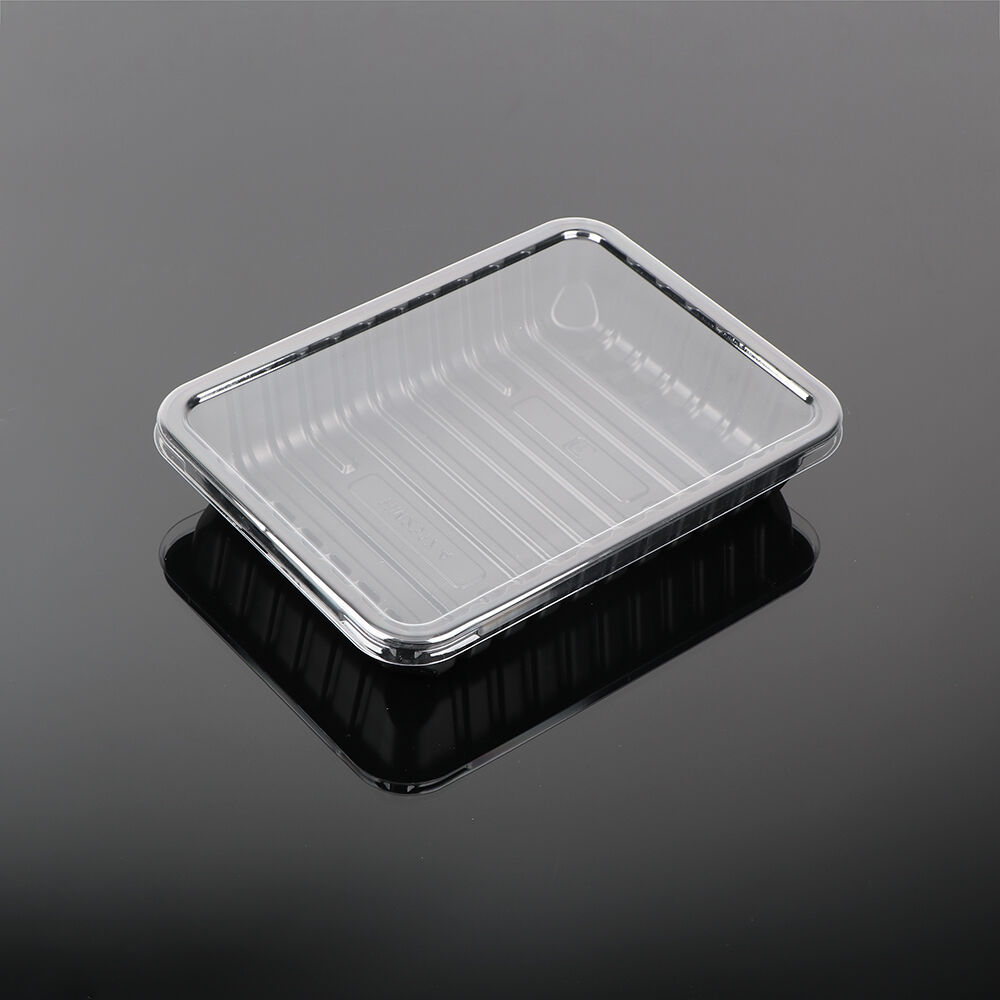
품질 경고 신호: 저품질 샐러드 클램셸 포장이 식품 품질 및 브랜드 신뢰도에 미치는 영향
실제 사례 분석: 저품질 PET 용기에서 발생하는 누출, 탁화, 열 왜곡 현상
저품질 샐러드 클램쉘 포장은 식품 안전성, 신선도 및 브랜드 가치에 실질적인 위험을 초래합니다. 저급 PET 용기는 벽 두께의 불균일성 또는 금형 탈출 성능 저하로 인해 밀봉 강도가 약해지고 드레싱 누출이 발생하기 쉬운데, 이는 미생물 오염과 냉각 체인(Cold-chain) 무결성 손상을 직접 유발하는 경로입니다. 폴리머 불순물 또는 열적 분해로 인한 탁함(clouding)은 제품 가시성을 훼손하고 신선도 저하를 시사하여, 소비자 대상 통제 실험에서 구매 의향을 최대 40%까지 감소시킵니다. 냉장 보관 또는 운송 중 발생하는 열 왜곡(thermal warping)은 이러한 문제를 더욱 악화시킵니다: 변형된 용기는 적재 기준을 충족하지 못하고 내용물을 쏟아내며, 신선 농산물을 온도 변동에 노출시킵니다. 이러한 결함은 구매 후 불만족과 강한 상관관계를 보이며, 식품 브랜드는 반품, 부정적 리뷰, 재구매율 감소 등 포장 관련 품질 사고로 인해 최대 15%의 매출 손실을 보고하고 있습니다. 따라서 제품과 브랜드 평판을 동시에 보호하기 위해서는 견고한 소재 사양, 엄격한 제조 공차, 그리고 실제 냉각 체인 환경에서의 검증이 필수적입니다.
자주 묻는 질문
샐러드 포장재로 PET, PP, PLA를 사용할 때 주요 타협점은 무엇인가요?
PET는 뛰어난 투명성과 강성을 제공하지만, 저온에서 취성이 발생하기 쉽습니다. PP는 더 나은 유연성과 내습성을 제공하지만 광학적 투명성이 부족합니다. PLA는 퇴비화 가능하지만 산소 투과율이 높아 산화가 가속화되고 신선도가 감소합니다.
사탕수수 섬유(bagasse) 및 성형 섬유(molded fiber)와 같은 친환경 소재를 샐러드 포장재로 실용적으로 사용할 수 있나요?
이러한 소재는 지속가능성 목표에 부합하지만, 수분 및 산소 차단 성능이 낮아 샐러드 채소의 유통기한을 단축시키는 등 신선도 유지 측면에서 제약이 있습니다.
샐러드 클램쉘(clamshell) 디자인이 누출 방지와 환기를 동시에 달성하려면 어떻게 해야 하나요?
이중 잠금 밀봉 채널과 마이크로 천공 기술을 활용하면 누출 방지와 응결수 조절을 균형 있게 구현하여 유통 과정에서 샐러드의 신선도와 식품 안전성을 확보할 수 있습니다.
샐러드 포장재로 저품질 소재를 사용할 경우 어떤 위험이 있나요?
저품질 소재는 실링 강도 저하, 누출, 탁화, 열 왜곡 등을 유발할 수 있으며, 이 모든 현상은 식품의 품질 보존, 브랜드 평판 및 소비자 신뢰를 손상시킵니다.
적절한 구획화는 다중 재료 샐러드 포장에 어떤 이점을 제공합니까?
구획화된 레이아웃은 건조 재료와 습한 재료를 분리하여 교차 오염을 지연시키고, 샐러드가 섭취될 때까지 신선도를 유지합니다.