 EN
EN
Optical Clarity: Why Transparency in Plastic Pastry Containers Drives Consumer Engagement
Light Transmission and Haze Metrics: How Clarity Influences Perceived Freshness and Quality
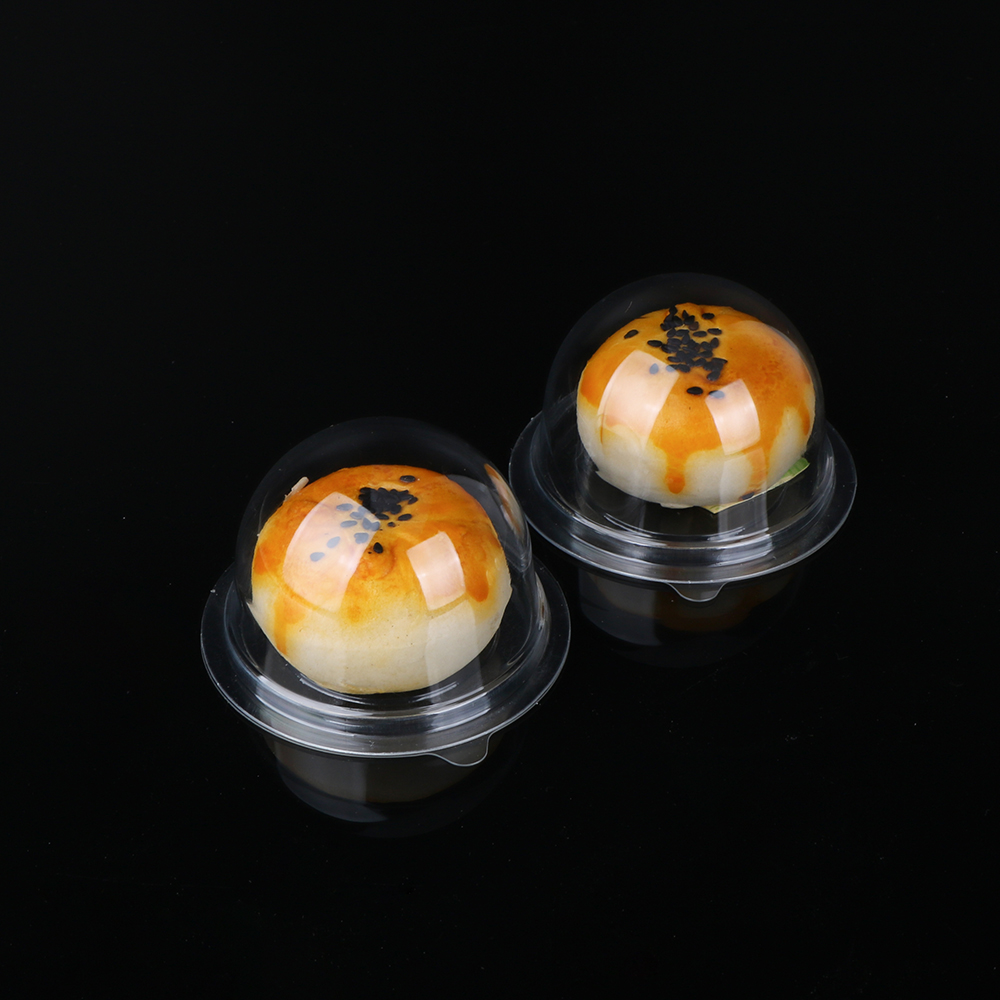
The clear plastic pastry containers we see on store shelves these days are usually made from PET material. They let through over 90% of light while keeping haze under 2% so shoppers can actually see what they're buying - texture, colors, how well the croissant holds together. People really care about this transparency thing too. Market research suggests around 62% of folks look for clear packaging when shopping because it helps them judge if something looks fresh and good quality. Get that haze level down to 1.5% or lower and suddenly there's less visual distortion. Croissants look flaky instead of doughy, fruit tarts pop with color rather than appearing dull. Retailers have noticed something interesting happens then too. Customers seem less worried about buying what they can't see inside. Some stores report sales going up by about 30% once they switched to clearer packaging options for their baked goods displays.
Surface Gloss, Refractive Index, and Color Fidelity: Enhancing Visual Appetite Appeal
When materials have a refractive index similar to glass around 1.57 to 1.58 and surface gloss readings over 85 units, they produce a stunning display that makes colors pop about 40% more intensely. The result? Raspberry coulis keeps its deep ruby appearance while matcha frosting stays bright green these visual characteristics really signal freshness and quality to consumers. Research on food packaging shows that such accurate color representation can make products seem 25% more premium than those in frosted or opaque containers. Special anti-static treatments help keep things looking clean too since they reduce dust buildup throughout their time on store shelves, preserving that "look and want" effect that leads to impulsive buying. Looking at actual bakery data, stores report an average 18% boost in spontaneous purchases when using clear containers instead of other options.
Intelligent Structural Design: Optimizing Plastic Pastry Containers for Product Type and Shelf Impact
Compartment Geometry and Proportional Scaling for Cupcakes, Tarts, and Éclairs
Getting the compartments right is absolutely essential when it comes to safeguarding delicate pastries and making them look great on display. For cupcakes, we need those deep slots at least 2.5 inches tall with stable bases and little air holes so moisture doesn't build up inside, which keeps the frosting looking sharp and prevents the whole thing from collapsing. Tarts work best in compartments with fluted sides that hold those delicate edges in place. Special designs for éclairs include ridges running down the middle to stop them from drooping over time. But there's another angle too - how these containers take up space matters a lot. A study from Cornell back in 2022 showed something interesting about this. When bakeries used containers with precise measurements instead of regular ones, they saw their sales go up by around 18%. Why? Because everything fits together better, leaving fewer empty spots between items. Customers see more product packed into the same area, which makes the display look fuller and encourages people to buy more stuff per square foot of counter space.
Shape Psychology: Round, Square, and Bowl-Style Containers and Their Influence on Premium Perception
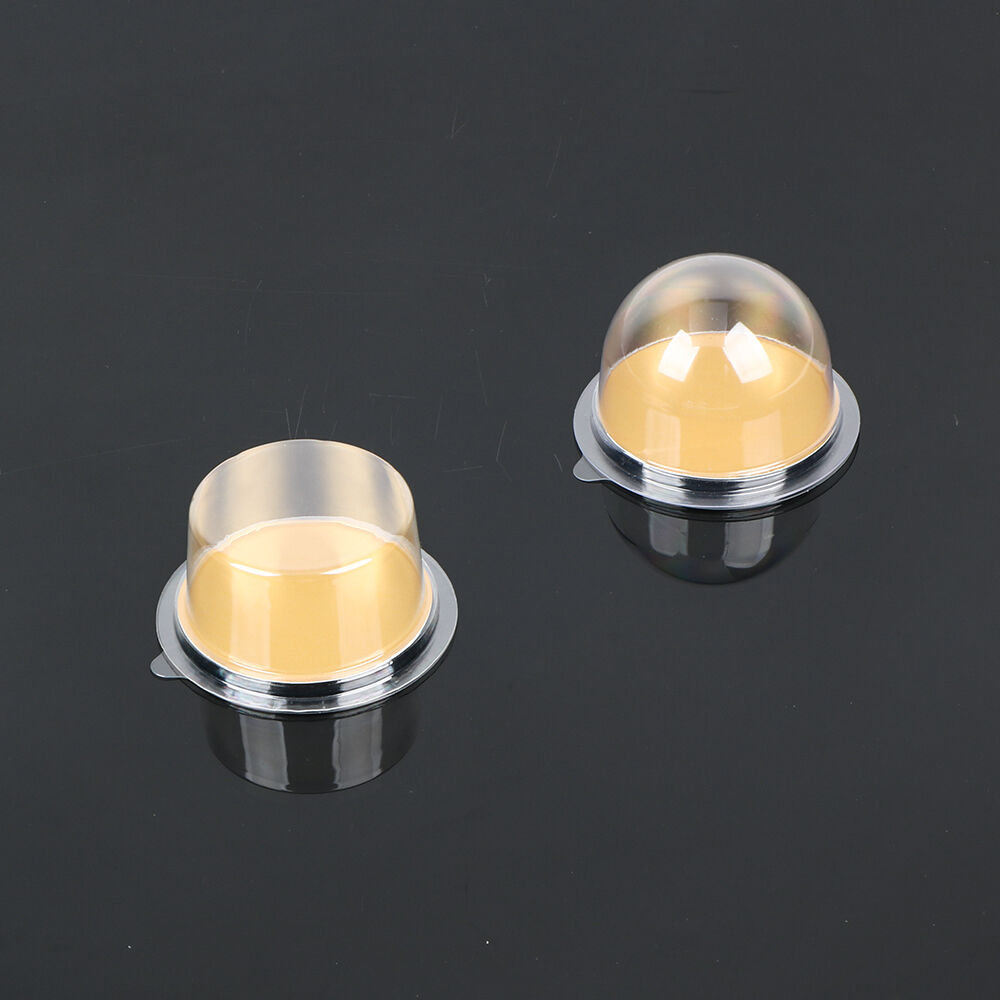
The shape of packaging has a quiet yet powerful influence on how people perceive products. A study from Cornell in 2024 revealed something interesting about round containers they make consumers think of handmade ceramics, which boosts perceptions of quality by around 22%. This works great for things like delicate macarons or those pretty seasonal fruit tarts we all love. Square-shaped containers tell a different story altogether. They scream efficiency and modern design, making them perfect for busy retail areas where customers need to grab items quickly without much fuss. The way these square containers stack together saves precious shelf space too. Then there are bowl-style containers with their gentle curves. These create a sense of abundance and luxury because of their depth, especially when serving multi-layer desserts such as trifles or berry parfaits. Brands should really pay attention to keeping consistent shapes throughout their product lines. According to Nielsen's 2023 report on store shelves, when companies stick to one container style across their range, shoppers recognize their products 31% better. That kind of consistency builds strong brand identity over time.
Critical design considerations include:
- Round containers: Elevate premium perception but occupy 15% more shelf space
- Square containers: Maximize stacking efficiency (up to 30% higher than round equivalents)
- Bowl depth: Must exceed 1:1.5 ratio (width:height) to avoid appearing "underfilled"
Material Performance: Balancing Protection, Durability, and Presentation in Plastic Pastry Containers
PET vs. PP: Rigidity, Scratch Resistance, and Thermal Stability for Bakery-Safe Display
Selecting between PET and PP hinges on functional priorities—not just aesthetics. Both comply with FDA food-contact standards and resist interaction with fats and sugars, preserving flavor and preventing grease staining. Yet their performance profiles differ meaningfully:
| Property | PET | PP | Bakery Impact |
|---|---|---|---|
| Rigidity | Higher inherent stiffness | Flexible but structurally sound | Prevents collapsing under stacked pastries while allowing secure lid sealing |
| Scratch Resistance | Moderate; prone to visible scuffs | Superior surface durability | Maintains optical clarity after repeated handling and transport |
| Thermal Stability | Withstands à 70°C (158°F) | Tolerates à 100°C (212°F) | Safely displays warm baked goods without warping or leaching chemicals |
PET gives that crystal clear look which is great for showing off fancy packaging, though it needs pretty careful treatment to keep looking good. On the other hand, PP stands up better to bumps and heat changes, so it works really well for things that get warm during transport or delicate baked goods such as those flaky eclair creations. Both materials don't mess with taste or food safety standards, meaning cakes and pastries stay fresh looking when they reach customers. This helps extend how long products can sit on shelves before going bad, plus cuts down on waste in bakeries and cafes across the board.
Brand Integration: Leveraging Plastic Pastry Containers as Strategic Touchpoints for Trust and Recognition
Plastic pastry containers do much more than hold food items—they act as brand representatives on store shelves. When companies consistently apply their logos, match brand colors, and design thoughtful typography, each container becomes another chance to remind customers about the brand during checkout, when people share their purchases online, or even after they throw it away. According to Packaging Digest research from 2023, around 7 out of 10 shoppers link good packaging directly to better product quality, so custom-made containers really matter if businesses want to appear premium. Looking beyond looks alone, smart packaging choices actually tell stories about what matters most to the company behind them. Using recycled materials shows environmental responsibility while matte surfaces or textured details suggest something special. Clear labels make customers feel informed and trustworthy. Done right, these simple plastic boxes create lasting connections with consumers, going well beyond basic storage functions to become valuable tools for building customer loyalty over time.
Table of Contents
- Optical Clarity: Why Transparency in Plastic Pastry Containers Drives Consumer Engagement
- Intelligent Structural Design: Optimizing Plastic Pastry Containers for Product Type and Shelf Impact
- Material Performance: Balancing Protection, Durability, and Presentation in Plastic Pastry Containers
- Brand Integration: Leveraging Plastic Pastry Containers as Strategic Touchpoints for Trust and Recognition