
 EN
EN
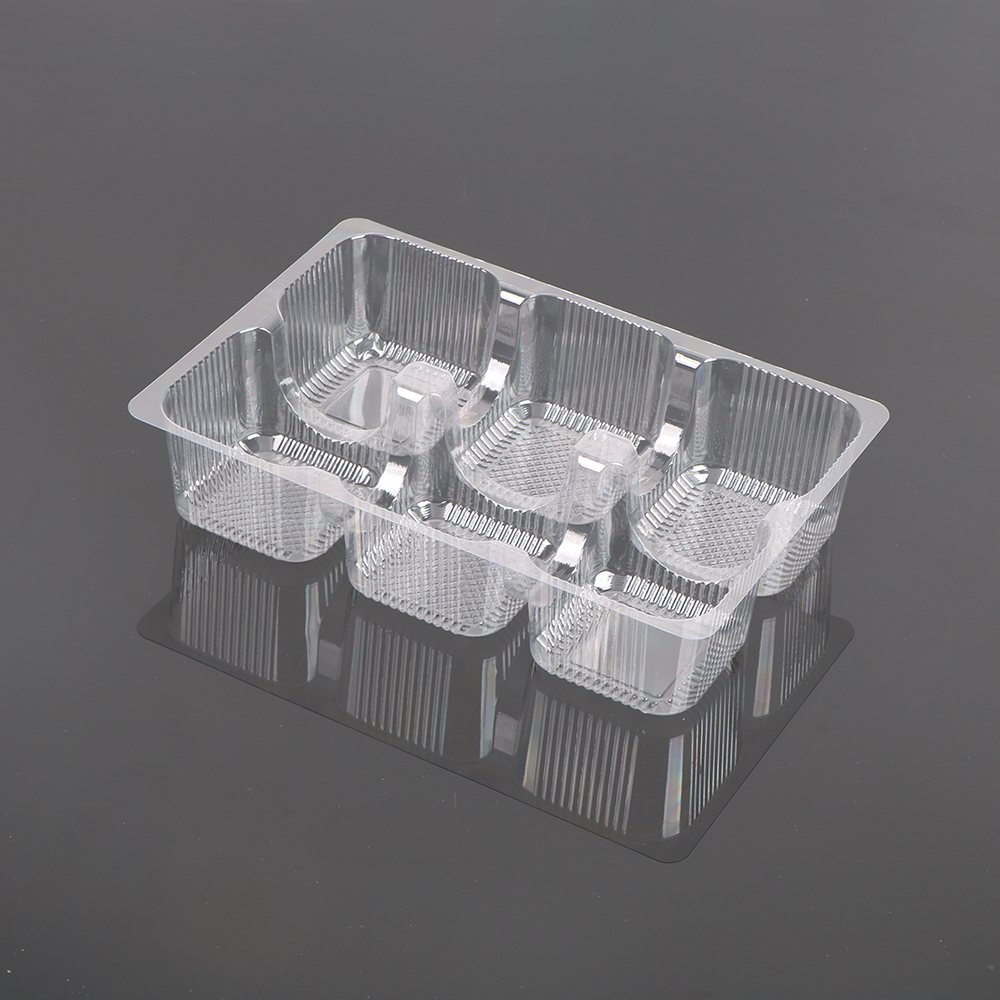
What Makes Plastic Pastry Containers Food-Grade and Safe?
FDA & EFSA Compliance: The Regulatory Foundation for Food-Grade Plastic
Plastic containers used for pastries need to meet strict safety rules established by both the US FDA and EFSA in Europe. The regulations basically ban any harmful stuff like bad additives, certain dyes, or substances not on the approved list. They also demand thorough testing to make sure nothing unwanted seeps into the food during normal usage scenarios. Think about when they're stored in freezers or sitting out on bakery shelves at room temperature. For manufacturers, getting certifications matters a lot. Take the FDA's 21 CFR Part 177.1520 standard for polypropylene as an example. This kind of certification acts like a seal of approval from outside experts, confirming that the container material keeps food safe and maintains quality throughout its shelf life.
Resin Codes 2, 4, and 5 Explained: Why PP (Code 5) Is Ideal for Plastic Pastry Containers
Resin identification codes guide informed material selection for food contact applications:
- HDPE (Code 2): Highly rigid and chemical-resistant, but opaque—limiting product visibility.
- LDPE (Code 4): Flexible and seal-friendly, yet thermally unstable above 80°C, making it unsuitable for warm pastries or microwave use.
- PP (Code 5): Combines exceptional heat resistance (up to 135°C), high rigidity, and translucent clarity—ideal for showcasing delicate pastries while maintaining structural stability during transport, refrigeration, and reheating.
BPA-Free Assurance: Eliminating Chemical Migration Risks in Fresh Pastry Packaging
Today's food grade plastic pastry containers are made from polypropylene that doesn't contain BPA at all, which is really important for keeping away those hormone disrupting chemicals we all hear so much about these days. Regular plastics like polycarbonate or some epoxy resins actually do have bisphenol A components, but not polypropylene. This means there's no risk of harmful substances leaching into pastries even when they get warm or come into contact with acidic ingredients. Tests show that polypropylene stays neutral in pH levels when used with things like fruit fillings, citrus based glazes, or rich butter layers in dough. This helps maintain the original taste of baked goods while also meeting international safety standards such as the European Union's Framework Regulation (EC) No 1935/2004 that governs food contact materials.
Performance Demands: Heat Resistance, Clarity, and Structural Integrity for Plastic Pastry Containers
PP vs. PET vs. HDPE: A Functional Comparison for Bakery Use Cases
Bakeries looking for something versatile and tough will find polypropylene (PP) holds its own against other materials such as PET and HDPE. The thing about PP is it doesn't shine in just one area, but manages to hit that sweet spot between heat resistance, transparency, and overall strength needed day after day in the kitchen. Sure, PET gives amazing clarity for seeing through containers, and HDPE stacks really well on shelves. But when we talk about what works best in actual bakery conditions, PP wins out. It handles going back and forth between temperatures without cracking, and keeps its shape even when exposed to oils, acids, or moisture during long shifts.
| Property | PP | PET | HDPE |
|---|---|---|---|
| Max Temp | 135°C | 70°C | 90°C |
| Clarity | Translucent | Crystal Clear | Opaque |
| Rigidity | Moderate-to-High | High | Very High |
Microwave-Safe, Stackable, and Leak-Resistant: Real-World Advantages in Commercial Settings
Bakery workers know how crucial time management is in their daily grind, and PP pastry containers really make life easier in this regard. The fact that they're certified for microwave use means bakers can simply pop them straight into the oven instead of transferring contents first something that often leads to messes or ruined textures. These containers come with specially designed lids and walls that keep everything contained even when dealing with sticky syrups, runny custards, or oily fillings. No more worrying about leaks ruining displays or creating extra cleaning work at the end of the day. What's particularly handy for busy kitchens is how these containers stack neatly on top of each other, saving around 35-40% of shelf space compared to regular boxes. This makes all the difference in small retail spaces where every inch counts. All these practical features help cut down on food waste, speed up service times, and maintain those professional looking presentations customers expect when ordering multiple items at once.
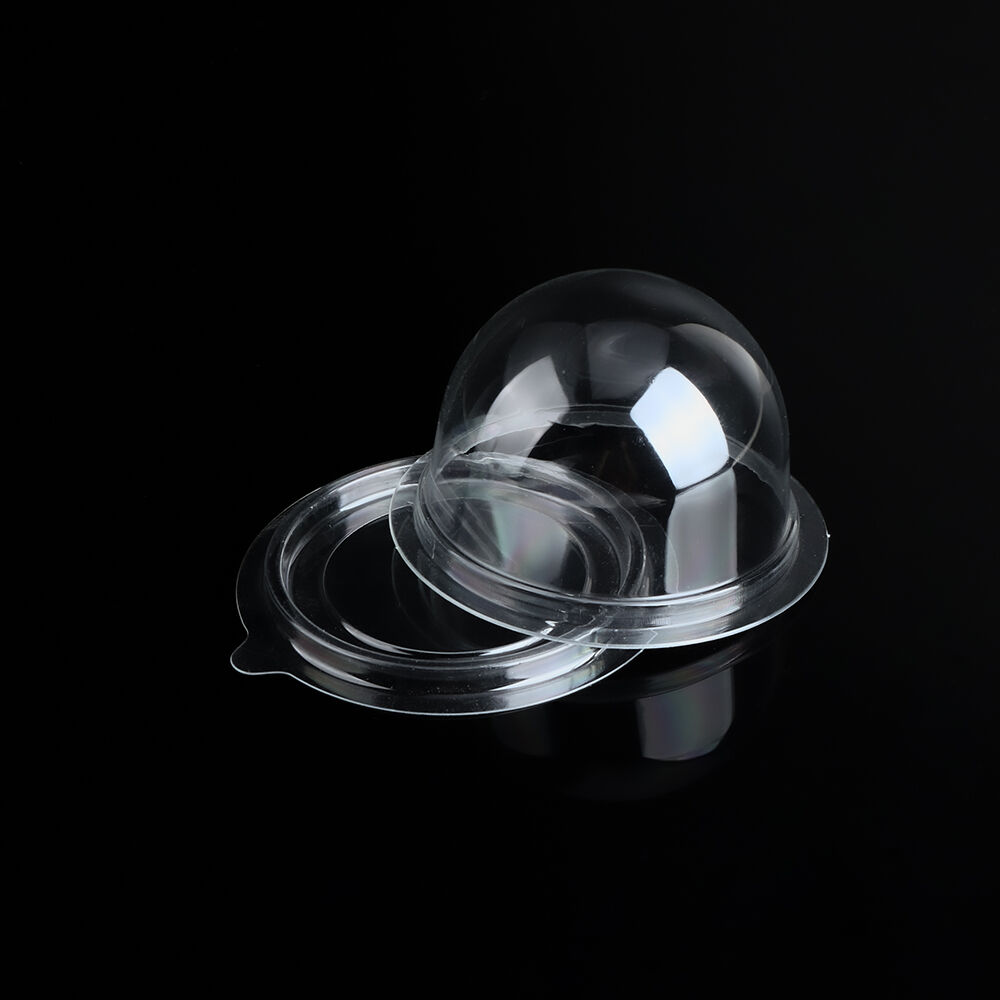
Preservation Science: How Plastic Pastry Containers Extend Shelf Life
Moisture, Oil, and Oxygen Barrier Properties—And Their Impact on Texture and Freshness
The real reason plastic pastry containers keep pastries fresh longer isn't just about keeping things contained passively but rather through specially designed barriers that work actively. These containers have moisture barriers that stop outside humidity from making those delicate crusts soggy while also trapping the moisture inside so the insides stay nice and tender, which is really important for things like croissants, danishes, and all sorts of fruit tarts. At the same time, they contain oil resistant materials that stop the grease from laminated doughs from getting everywhere, which would ruin seals or make the container look cloudy. What matters most though is how these containers handle oxygen. Better oxygen barriers actually slow down how fast food goes bad because of oxidation and bacteria growth. Studies published in reputable journals indicate that these improved polypropylene containers can keep pastries fresh 4 to 12 days longer than regular packaging, meaning less waste and better tasting products overall.
Key preservation mechanisms:
- Moisture control: Maintains textural contrast—crisp exterior, moist interior
- Oil resistance: Preserves structural integrity and visual clarity against fatty ingredients
- Oxygen inhibition: Reduces oxidation rates by >70% in rigorously tested designs
By targeting these three primary degradation pathways, food-grade PP containers support both sustainability goals—through measurable food waste reduction—and brand promise—by delivering consistently fresh, visually appealing pastries to the consumer.