
 EN
EN
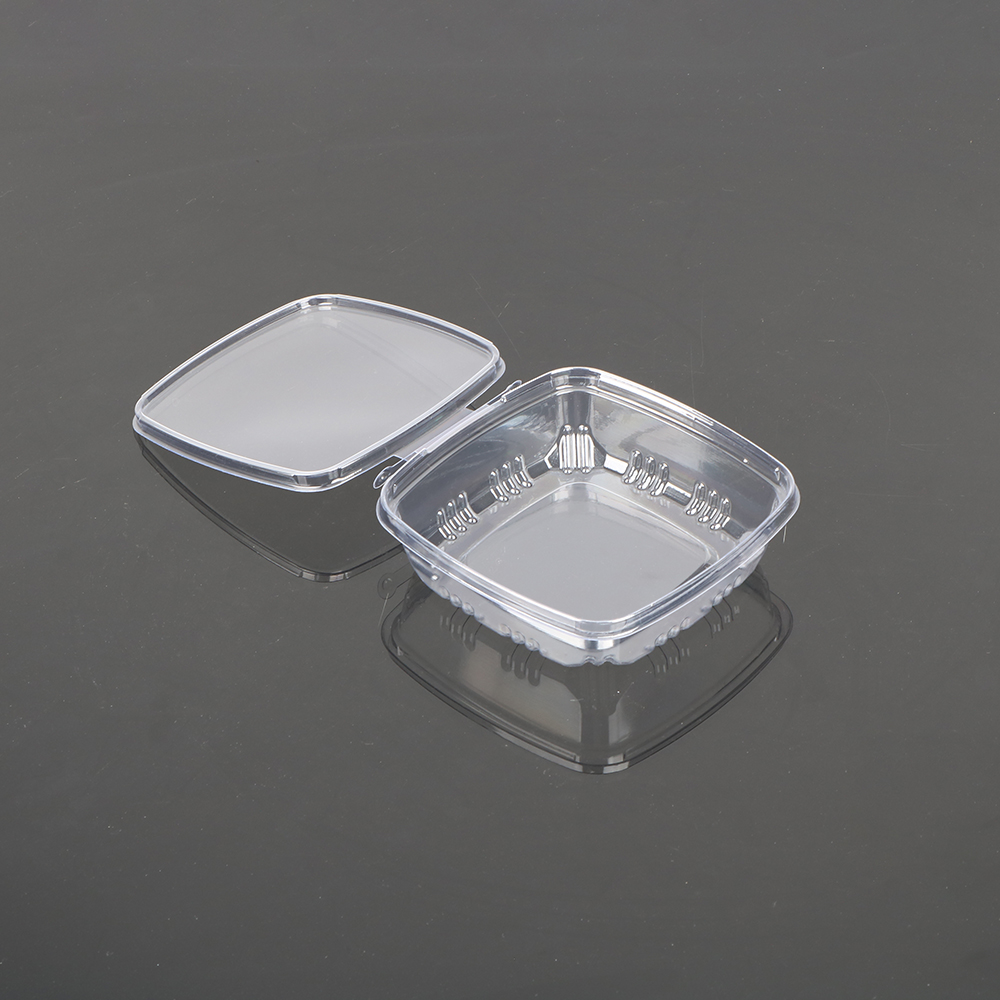
Intuitive Hinged Design for Effortless One-Handed Operation
How the Integrated Hinge Enables Smooth Opening and Closing
What makes this clamshell container stand out is its built-in hinge that turns it into something much more than just a regular food container. Traditional models often come with separate lids or those annoying snap mechanisms, but here we have a continuous plastic pivot point that allows smooth movement without worrying about misalignment or losing parts. To open it, all someone needs to do is press gently with their thumb using just one hand. According to various tests done by engineers, these specially designed hinges cut down the effort needed to open by around two thirds, and they still hold up after being opened and closed over ten thousand times. The end result? A container that opens easily enough to stop anything from spilling out accidentally, but remains simple enough for people who might struggle with weak hands or poor coordination to handle without frustration.
Clamshell vs. Alternatives: Why Lidded and Snap-Lock Containers Fall Short on Usability
The problem with lidded containers and those snap lock things is they create major headaches for people trying to use them properly. We've seen studies showing separate lids get lost all the time in restaurants and cafes, something like 8 out of 10 times according to one report. Plus, aligning them takes both hands which isn't always convenient. Then there's the whole issue with snap locks needing way more finger strength than most folks have these days. Try closing one after washing your hands with soap or handling greasy food and watch it slip right off. That's where clamshell containers with built-in hinges really shine. Their design just clicks shut naturally without fighting against the user. People with stiff fingers from arthritis or anyone else who struggles with fine motor control find these much easier to manage. The seal stays tight too, so nothing spills during transport or storage.
Ergonomic and Inclusive Design for All Users
Age-Inclusive Testing: Grip Strength, Dexterity, and Real-World Accessibility Data
Today's clamshell food containers go through rigorous testing that includes people of all ages, based on actual biomechanical studies. We test prototypes with different groups, from older adults to kids, making sure the force needed to open them stays below 5 Newtons, which is safe for most grip strengths. When we ran field tests with folks who have conditions like arthritis, hand tremors, or trouble with small movements, about 78 out of 100 people could open these containers on their own if they had those sloped edges and wider flanges at the top. This kind of data driven design not only meets standards like ISO 2028 for how humans interact with products, but it also cuts down on hand fatigue by roughly 40% compared to older container designs that many people found frustrating to open.
Tactile Cues, Visual Alignment Marks, and Low-Resistance Latches in Modern Models
Leading manufacturers embed three accessibility-critical features informed by real-world usage data:
- Raised tactile indicators along hinge lines guide blind and low-vision users during opening and closing
- High-contrast alignment marks simplify lid positioning for those with depth perception challenges
- Sub-3N magnetic latches, calibrated for minimal finger strength, replace pinch-based locks
These refinements cut average operation time by 62% across age groups. Eliminating pinch-points and slide-locks also reduces drop-test failures to just 12%, significantly improving reliability in daily use.
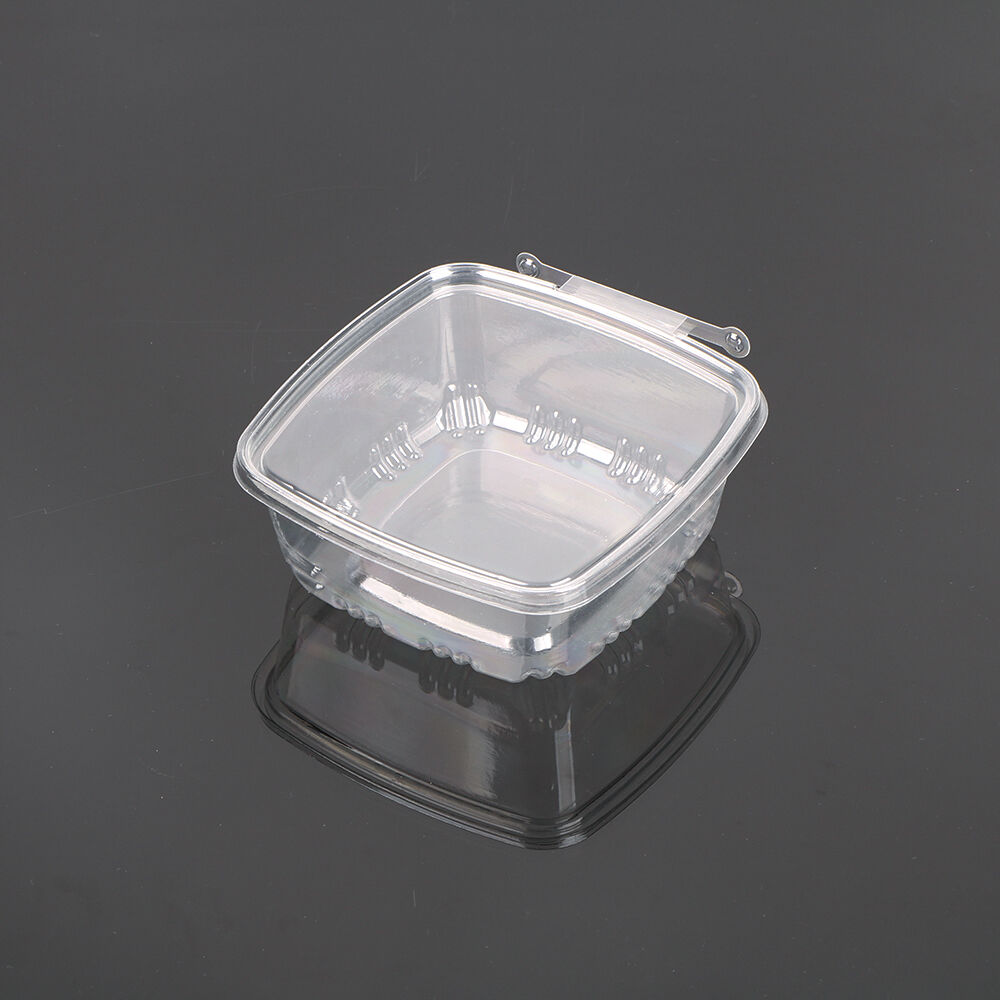
Resealable, Portable, and Reusable by Design
On-the-Go Utility: Field Study Showing 87% Reuse Rate for Storage and Transport
A 2024 field study found that 87% of consumers reused clamshell food containers multiple times—not just for takeout, but for pantry storage, meal prep, and transport. This high reuse rate stems from three interlocking design advantages:
- Secure resealing maintains freshness and prevents leaks during movement
- Lightweight, rigid construction withstands stacking and fits compactly in bags, lunchboxes, and refrigerators
- Standardized footprint enables efficient vertical storage without wasted space
Unlike alternatives requiring separate lids or complex locking systems, the clamshell’s integrated hinge and latch deliver reliable one-handed operation—preserving structural integrity over repeated use. For commuters, caregivers, and professionals, this means dependable food protection on the move and effortless reuse that actively reduces single-use waste.
Tamper-Evident Yet User-Friendly Opening Mechanisms
Breakaway Perforations, Audible Feedback, and Friction-Optimized Seals Reduce Frustration
Modern clamshell containers finally solve that old problem where security always seemed at odds with easy access thanks to three clever design improvements. First off, those breakaway perforations give clear signs if someone's messed with the package, but they don't need much force to open either. Tests show this cuts accidental seal failures by around 40% compared to sticky closures. Then there's that satisfying click sound when closing properly, which is super helpful for people who might have trouble seeing things clearly. And what really makes these stand out? The seals themselves are engineered just right, needing between half a Newton and 1.2 Newtons to pop open. That means kids and seniors can get into them without hassle, but still keeps drinks from spilling all over during transport. These little changes actually address the container struggles mentioned in various studies on ergonomics, turning what used to be frustrating tamper checks into something most people barely notice anymore.