
 EN
EN
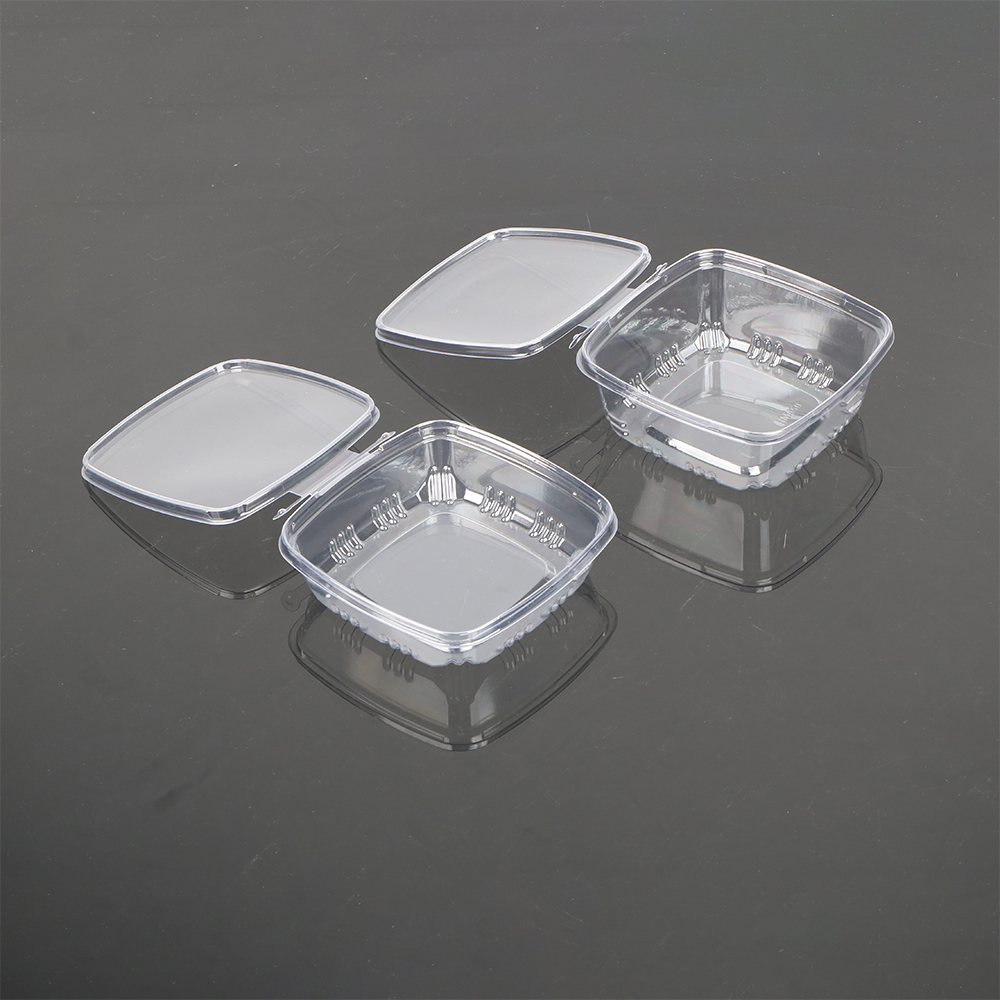
Extended Freshness and Shelf Life: How Clamshell Food Containers Preserve Quality
Moisture retention and contamination barrier mechanisms
Clamshell containers work pretty well because they form a kind of mini environment inside. These containers have special seals that keep moisture in but stop outside stuff from getting in. The lids actually fit together in a way that blocks most airborne germs, dust particles, and even prevents accidental touching when moving around. There are small holes in there too, usually between half a millimeter to two millimeters across, which lets gases pass through but stops bad smells from building up. For things like strawberries or spinach, these containers maintain just the right amount of dampness, somewhere around 85 to 95 percent relative humidity. That makes them stay fresh much longer than if they were just sitting in regular plastic trays or wrapped loosely. Most people notice the difference after a day or two in storage.
Empirical shelf-life gains: +3–5 days for perishables
Tests conducted by both the FDA and the International Fresh Produce Association show that clamshell packaging really does keep produce fresh longer than regular packaging options. For example, strawberries stay firm and colorful for about five more days compared to traditional punnet packs, while salad greens remain crisp without turning brown for roughly three extra days. This means less food going bad on store shelves. According to reports from several grocery chains across the country, stores see around 30 percent fewer markdowns on perishable items when they switch to clamshell containers. Why? Well, there are two main reasons behind this improvement. First, the packaging protects against bruising during transportation - studies indicate bruising rates drop by nearly half. Second, the internal environment stays stable inside these containers, which helps slow down the growth of bacteria and other microbes that cause spoilage.
Enhanced Retail Performance: Visibility, Appeal, and Reduced In-Store Waste
Clear-material advantages: perceived freshness and 22% lower rejection
When shopping for fresh produce, those clear clamshell containers let customers see right through to what's inside, which makes them feel like they're getting something really fresh and good quality stuff. The bright colors and nice texture just jump out at people, making them think this product is safe to eat and probably costs a bit more than average. NielsenIQ found last year that almost seven out of ten shoppers care most about how fresh something looks before buying it. Retailers have noticed real differences too. Stores using these transparent containers report around 22 percent fewer complaints about bad looking fruits and veggies compared to when they used dark boxes or bags. These containers do double duty actually. They protect delicate items from getting bruised during transport and also keep everything looking presentable throughout the store, so nothing gets tossed because it looks damaged.
User-Centric Convenience: Resealability, Portability, and On-the-Go Utility
Ergonomic design impact on meal-kit efficiency (+37%) and Gen Z snack preference (68%)
Clamshell containers are super convenient because they're designed with ergonomics in mind. The resealable tops keep food fresh after opening and stop everything from spilling out when we're on the go. These containers have good locks that stay shut and aren't heavy at all, so people can easily carry them around in their purses or toss them into car cup holders without worrying. For companies selling meal kits, this kind of container actually makes things work better by about 37 percent. That means less time spent preparing meals and storing leftovers, which is a big deal for busy households trying to manage their weeknight dinners.
For Gen Z, these features align closely with dynamic lifestyles: 68% prefer clamshells over alternatives for snacks and single-serve meals. One-handed operation and stackable form factors support on-the-go consumption during commutes or outdoor activities. Clear visibility further reinforces utility, allowing quick identification without opening containers.
- Resealability extends usability for multi-session consumption
- Compact profiles optimize space in crowded bags or fridges
- Secure closures prevent leaks during transit
These user-centered advantages make clamshells essential for modern food consumption patterns—particularly among younger demographics prioritizing speed, flexibility, and portion control—while minimizing waste from damaged or discarded packaging.
Supply Chain Efficiency and Waste Reduction: Protection from Harvest to Shelf
Bruising reduction (41% vs. loose/tray-wrap) and post-harvest loss mitigation
Clamshell containers really boost how resilient the whole food supply chain is because they cut down on physical damage when stuff gets shipped around. These containers have this solid build that stops compression forces from squishing fragile fruits and veggies. According to some research from UC Davis back in 2022, there's about 41% less bruising compared to just throwing products into boxes without proper packaging. The protection starts right after harvest and keeps going all the way through distribution centers where vibrations from trucks and pressure from stacked pallets tend to ruin unprotected items. What makes these clamshells special? Each compartment keeps individual pieces separated so they don't rub against each other and get damaged. Plus, there's enough space between them for air to circulate, which helps slow down spoilage. For things like berries and leafy greens, this actually cuts down on losses after harvest by nearly 20%. Retailers end up with better quality products and throw away a lot less stuff at the end of the day.
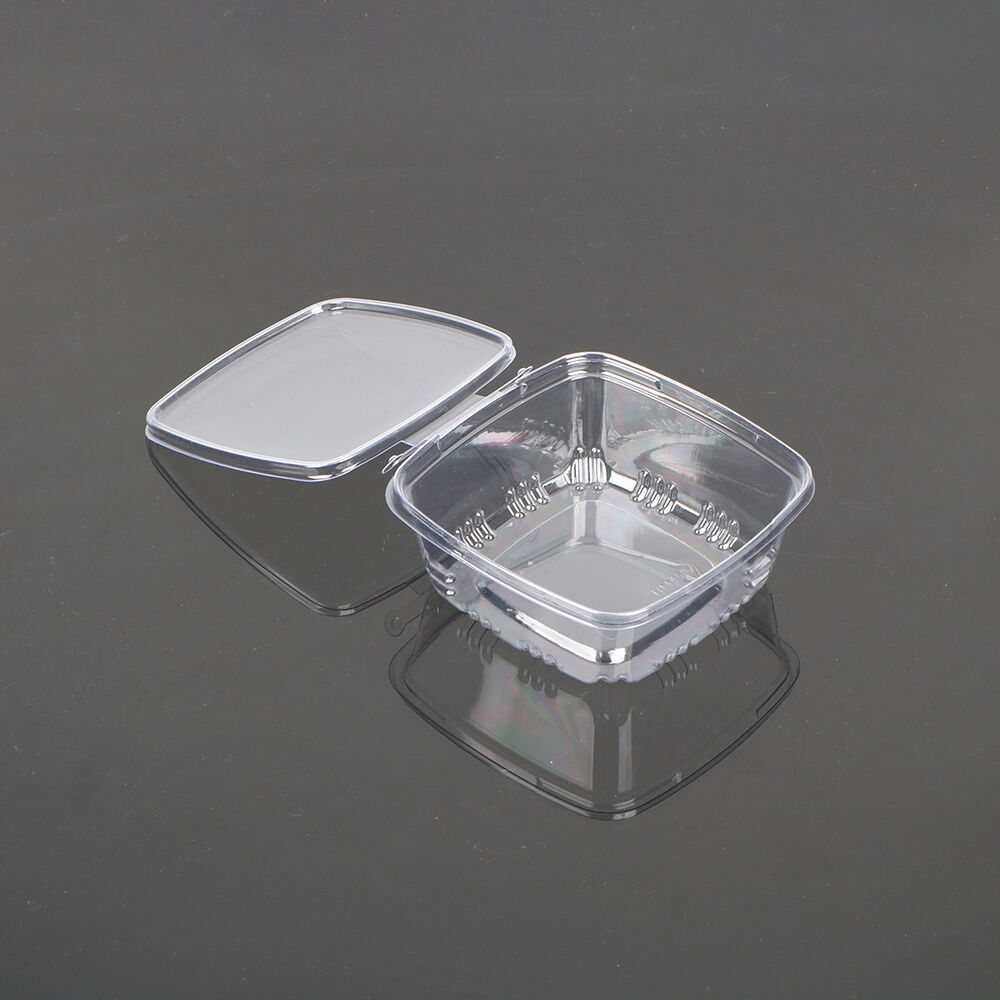
Sustainability Profile of Clamshell Food Containers: Recyclability, Compostability, and Real-World Trade-offs
Carbon footprint comparison: molded fiber vs. PET in regional logistics
When comparing molded fiber and polyethylene terephthalate (PET) clamshell containers, there are clear differences in their environmental impact throughout the distribution process. According to PE International's report from last year, PET actually needs about 27 percent less energy for production compared to molded fiber. But here's the twist: molded fiber creates around 31% fewer emissions when transported regionally because it weighs less. This makes a big difference in areas within 300 miles or so. The numbers tell the story pretty well too - fiber comes out at roughly 0.48 kg CO2e per unit while PET sits at 0.63 kg CO2e. That said, things change when looking at longer trips where temperature control matters. PET holds up better in these situations since fiber tends to absorb moisture along the way, making it heavier as it travels. So what does this mean for businesses? Well, choosing between materials really depends on where products need to go. Fiber works great for local deliveries but PET is the better choice when shipping across the country for extended periods.
The compostability gap: <10% industrial processing rate for 'compostable' clamshells
The numbers tell a different story than what we might expect. According to BioCycle's latest 2024 report on waste systems, a mere 7.2 percent of those compostable clamshell containers ever make it to actual industrial composting sites. Why? There are basically three big problems getting in the way. First off, most places don't have access to proper facilities - only about one out of every five U.S. counties will take food grade compostables at all. Then there's the whole mess at recycling centers where these items often get contaminated during sorting. And let's not forget how confused regular folks are about where exactly these things belong after use. Even if everything goes right, these plant based clamshells need constant heat above around 135 degrees Fahrenheit just to break down properly in about three months time frame. But guess what? Most composting operations simply can't maintain those temperatures reliably. So what happens? Well, more than half of them wind up sitting in landfills instead. When they decompose without oxygen there, they produce methane gas that packs nearly 30 times the punch of regular carbon dioxide according to EPA data. Clearly, something needs to change fast. We need better waste management systems across the board while also keeping our focus on developing new materials that work better in real world conditions.
Table of Contents
- Extended Freshness and Shelf Life: How Clamshell Food Containers Preserve Quality
- Enhanced Retail Performance: Visibility, Appeal, and Reduced In-Store Waste
- User-Centric Convenience: Resealability, Portability, and On-the-Go Utility
- Supply Chain Efficiency and Waste Reduction: Protection from Harvest to Shelf
- Sustainability Profile of Clamshell Food Containers: Recyclability, Compostability, and Real-World Trade-offs