
 EN
EN
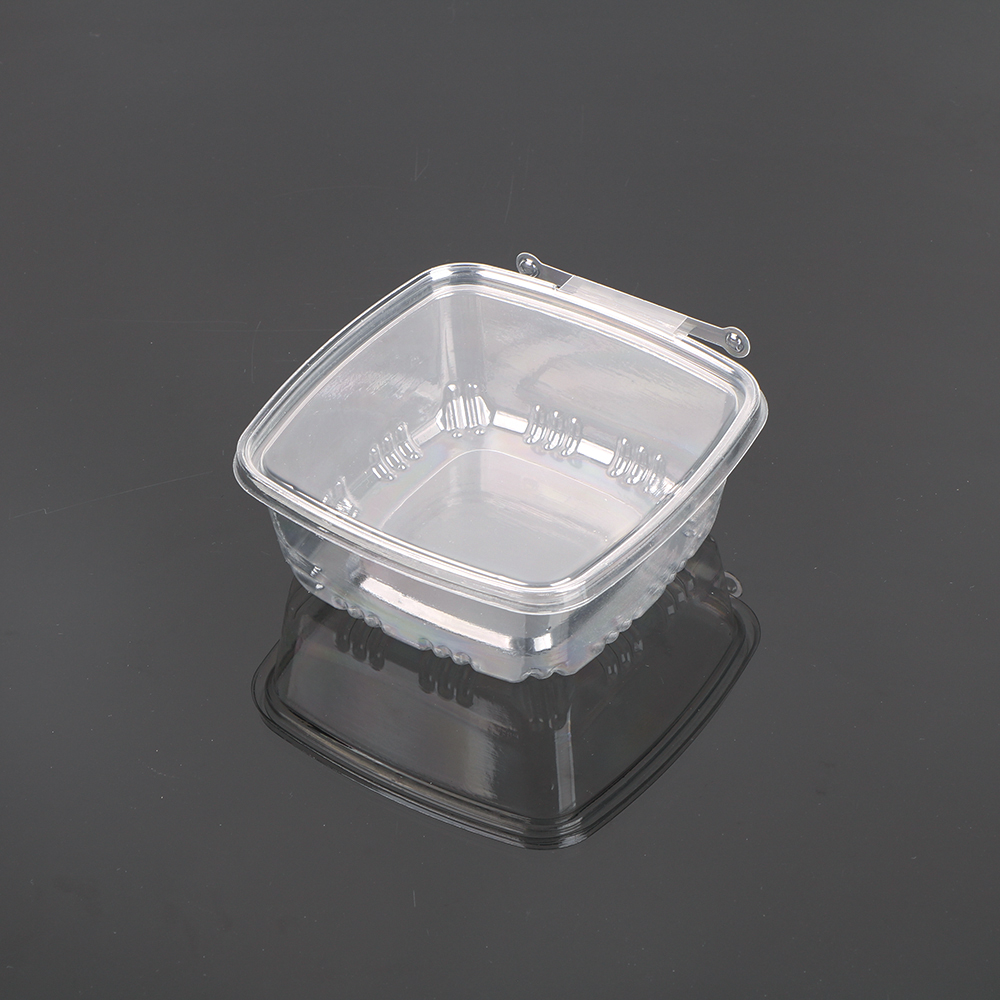
Regulatory Safety Standards for Disposable Food Plastic Containers
FDA, NSF, and BRC Certification: Non-Negotiable Benchmarks for Hygienic Integrity
For disposable food plastic containers to be safe for use, they need to pass through several certification processes that check their hygiene levels. The Food and Drug Administration sets out what materials are considered safe according to section 21 CFR of their regulations. This includes setting limits on how much chemicals can migrate from plastics like polypropylene, HDPE plastics, and LDPE variants into food products. Then there's NSF International which looks at whether these containers actually stay clean when used in restaurants and cafeterias. Meanwhile, companies following BRC Global Standards have to keep track of where their materials come from and maintain strict quality controls throughout production. All these different requirements basically mean manufacturers have to jump through multiple hoops before getting their products approved for market.
- Migration testing to prevent chemical leaching
- Material composition documentation
- Facility audits for Good Manufacturing Practices
Failure to comply risks contamination events and regulatory penalties—making certification non-negotiable for hygienic integrity.
Real-World Validation: Hospital Meal Delivery Using Certified PP Containers Achieves 99.8% Microbial Reduction
Hospitals check if their equipment meets safety requirements based on real results they see. A recent study at a hospital in 2023 showed something interesting about food storage. When they used FDA and NSF approved polypropylene containers for meals, there was almost no microbial contamination left behind after handling. These containers cut down on germs by nearly 99.8% when compared to regular ones without certification. Why does this happen? Well, polypropylene has a smooth surface that doesn't let bacteria stick around easily. Plus, these containers come with several built-in safeguards. They're meant to be used once only, can handle being sterilized at very high temperatures, and have seals that stop bad stuff from getting inside. All these factors together explain why hospitals keep turning to certified disposable plastic containers when they need to maintain super clean conditions for patient care.
Migration Control: Preventing Chemical Leaching in Disposable Food Plastic Containers
Temperature-Driven Leaching Risks in Microwave and Hot-Fill Applications
When we put food in plastic containers in the microwave or fill them with hot liquids, the heat really speeds up how chemicals move from the plastic into our food. The warmth actually breaks down those polymer bonds in the plastic, letting stuff like plasticizers and stabilizers escape into whatever we're eating. This effect is especially noticeable with foods that are greasy or acidic since these types of foods seem to pull out chemicals much easier. Research indicates that when containers reach around 100 degrees Celsius, the rate at which chemicals migrate jumps by as much as 40 times compared to when they're stored at normal room temps according to findings from Food Packaging Forum back in 2023. To combat this issue, companies have been working on making their materials more heat resistant, putting clearer warnings about temperature limits right on the packaging, and sometimes adding special protective layers inside containers meant for really hot applications.
EU No. 10/2011 and FDA 21 CFR §177: Science-Based Migration Limits for HDPE, LDPE, and PP
Around the world, there are pretty strict rules about how much chemicals can migrate from packaging into food products. These rules are based on solid scientific research. Take for instance the European Union's Regulation Number 10/2011 and the US Food and Drug Administration's regulation 21 CFR §177. Both of these require special testing methods where they simulate real life situations. They use things like acetic acid when testing acidic foods and ethanol for fatty foods to see what happens over time. When companies follow these guidelines properly, they make sure that any chemical movement stays well within safe limits set by health experts. Even when someone does something unusual like putting plastic containers in the microwave, the levels stay safe according to what we know about toxicity.
| Regulation | Test Condition | Migration Limit | Resins Covered |
|---|---|---|---|
| EU No. 10/2011 | 70°C/2 hours | ≤10 mg/dm² overall | HDPE, LDPE, PP |
| FDA 21 CFR §177 | 100°C/30 min (fat sim) | ≤0.5 ppm specific monomers | PP, HDPE |
Third-party chromatography testing confirms 99.7% adherence across certified manufacturers (Journal of Food Science, 2022), reinforcing the reliability of these standards.
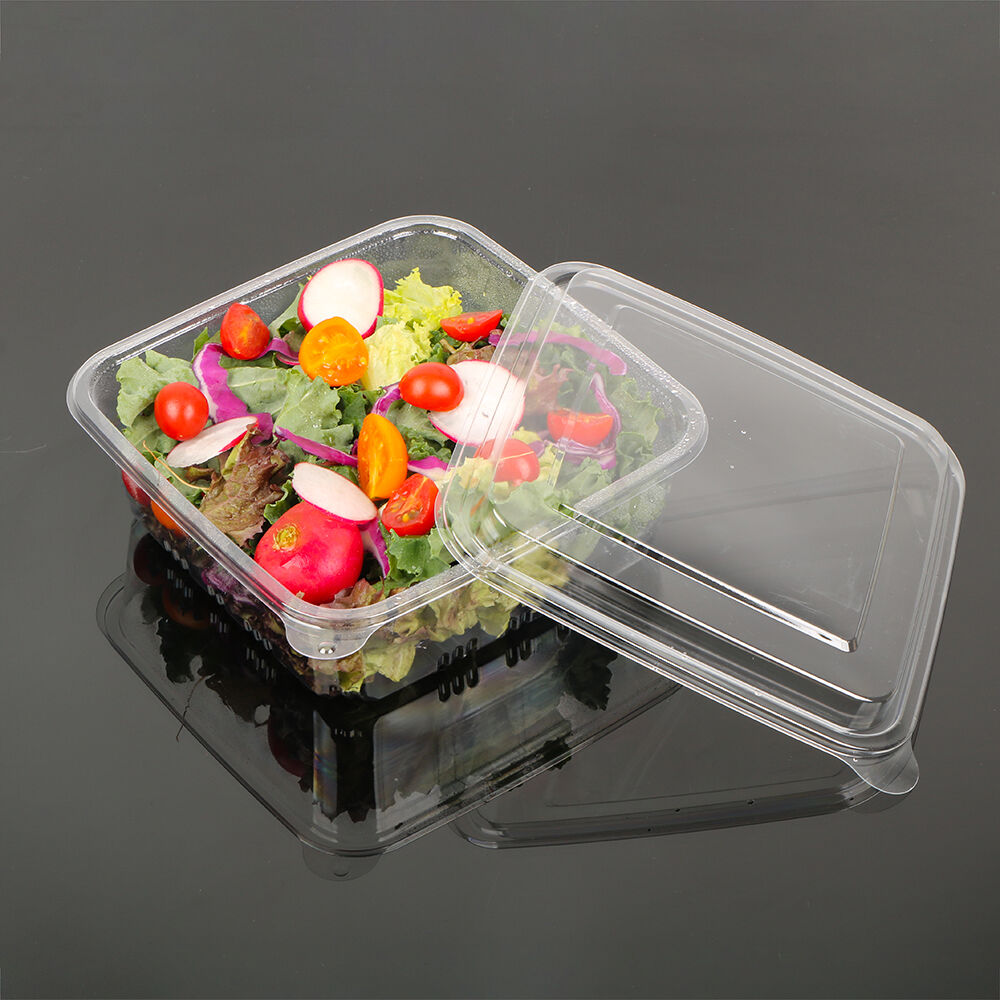
Inherent Hygienic Properties of Common Food-Grade Resins
Surface Hydrophobicity and Smooth Topography of #5 PP Reduce Biofilm Adhesion by 73% (ASTM E2149)
Polypropylene, or PP as it's known in the industry (resin code #5), stands out when it comes to keeping food safe in disposable plastic containers. What makes this material so good at maintaining hygiene? Well, first off, its surface doesn't absorb water because it's naturally water-repellent. Plus, the surface is super smooth at a microscopic level, which means there aren't many tiny crevices where bacteria can stick around. Tests following ASTM E2149 standards show that this combination cuts down on biofilm buildup by about three quarters compared to other plastics with rougher surfaces. The fact that PP isn't porous creates what amounts to a natural shield against germs trying to take hold. This limits spots where dangerous microbes like Listeria or E. coli might find a home. Because of all this, manufacturers don't need to add special antimicrobial coatings to keep things clean. That's why we see PP used so much for pre-packaged foods that sit on store shelves or spend time in refrigerators before being eaten.
Resin Selection Strategy: Matching Disposable Food Plastic Container Materials to Use-Case Hygiene Demands
Picking the right plastic resin really comes down to matching what the material can do with how it will be used in contact with food. For dry baked goods like cookies or cakes, #5 polypropylene works great because it repels moisture and has a smooth surface that makes cleaning easier. Tests from ASTM E2149 show this kind of plastic cuts down on bacteria buildup by about three quarters. When dealing with acidic foods such as tomato sauce, manufacturers typically go for #2 high density polyethylene since it doesn't react chemically with the foodstuff. Oily dishes or greasy snacks need something else entirely though - PET offers better protection against oils getting absorbed. Foods that undergo heating processes like microwaving or filling containers at high temperatures require resins that won't break down under stress while still meeting those strict FDA standards outlined in section 177 of their regulations. Before finalizing any choice, check if the particular resin type actually holds all necessary approvals from agencies like FDA or NSF for whatever purpose it's intended. Getting this match right helps avoid unwanted chemicals seeping into food products, keeps things cleaner overall, and also matters when thinking about what happens to these materials after they're no longer useful, especially regarding whether local recycling facilities can handle them properly.
Table of Contents
- Regulatory Safety Standards for Disposable Food Plastic Containers
- Migration Control: Preventing Chemical Leaching in Disposable Food Plastic Containers
- Inherent Hygienic Properties of Common Food-Grade Resins
- Resin Selection Strategy: Matching Disposable Food Plastic Container Materials to Use-Case Hygiene Demands