
 EN
EN
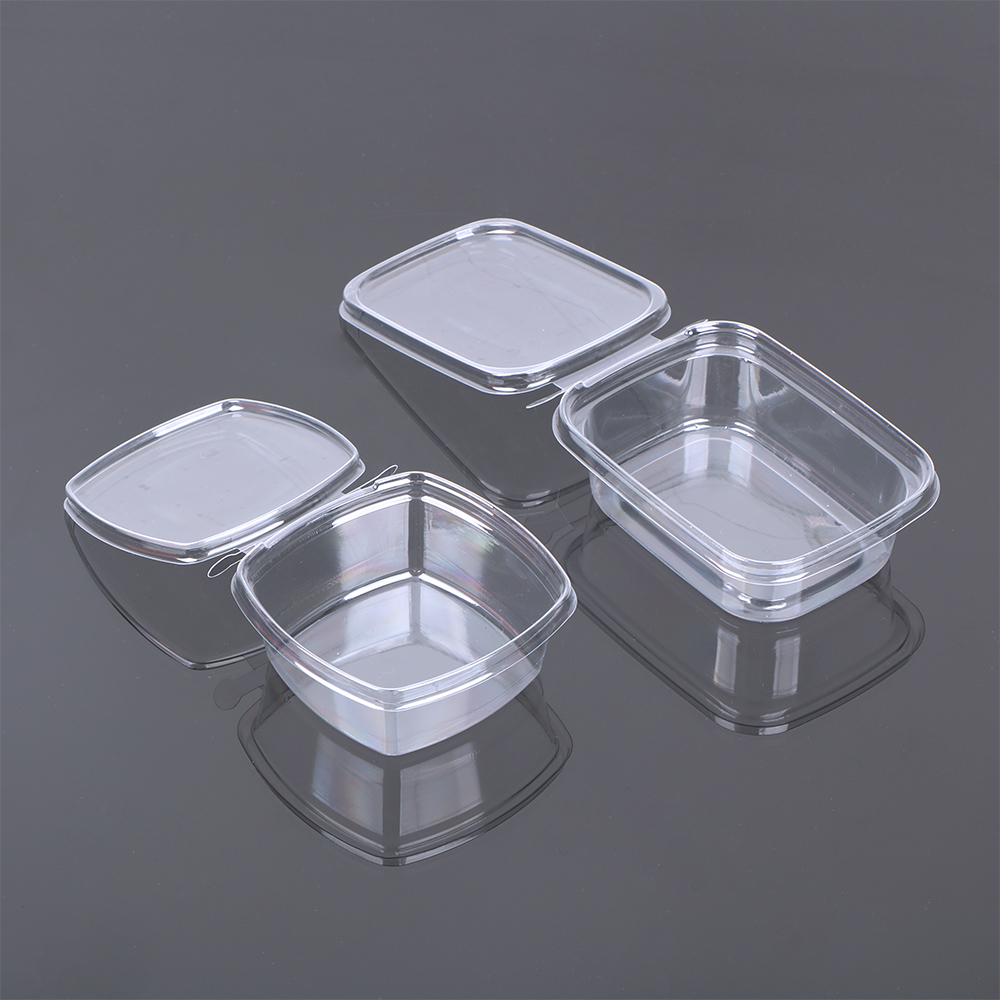
Understanding Chemical Leaching Risks in Disposable Food Plastic Containers
How Heat, Acidity, and Time Trigger Migration of BPA, Phthalates, and PS Additives
The combination of heat, acidic conditions, and extended exposure works together to speed up how chemicals move out of single-use plastic food containers. At around 70 degrees Celsius or higher, the plastic starts breaking down at the molecular level, which means more harmful substances get released into our food. These include things like BPA, various phthalates, and styrene from polystyrene plastics. Foods with high acidity levels such as tomatoes or citrus fruits actually wear down plastic materials much faster than regular foods do, sometimes making chemical leakage increase by almost half according to recent research published in Food Chemistry back in 2023. Leaving food in these containers for longer than two hours just makes this process worse over time. Polystyrene containers are especially problematic when holding hot beverages. Studies on coffee have shown that when served hot, the amount of styrene migrating into the drink can be twenty five times greater than when consumed at room temperature. And let's not forget about fatty foods either since they tend to soak up phthalates way quicker than their lighter counterparts, sometimes absorbing them fifteen times faster based on what we know so far.
Why 'Food-Grade' and 'BPA-Free' Labels Don't Guarantee Safety for Disposable Food Plastic Containers
The term "food grade" basically means the product meets minimum manufacturing standards, but it doesn't say anything about how these materials hold up in actual conditions like high temperatures, acidic environments, or long term storage. And those "BPA free" labels? They usually just mean manufacturers swapped out BPA for other bisphenols like BPS or BPF that work almost exactly the same way hormonally speaking. A study from last year showed that nearly two thirds of so called BPA free plastic food containers actually leaked estrogen-like chemicals after being heated in microwave ovens, which really puts into question what we think we know about food container safety. Regulations still allow certain harmful chemicals like phthalates and polystyrene additives in food contact plastics even though there's plenty of evidence linking them to problems during development. The problem is most safety tests don't look at what happens when multiple stress factors combine, like heating something while it sits in an acidic sauce. These combined effects create chemical reactions that standard testing simply misses.
Decoding Resin Identification Codes for Disposable Food Plastic Containers
Resin Identification Codes (RICs)–the numbered triangles on plastic items–identify polymer types but do not indicate safety for specific uses. Selecting appropriate resins is essential to minimize chemical exposure during disposable food plastic container use.
PET #1 and PP #5: Safest Options for Cold/Room-Temp Use – With Clear Temperature Boundaries
PET plastic, which is labeled as #1, works well for keeping drinks cold and storing things temporarily when temperatures stay under about 49 degrees Celsius or 120 Fahrenheit. If it gets hotter than that though, there's concern about antimony possibly leaching out since this substance has been linked to cancer risks. Moving on to PP plastic marked as #5, this one can handle being exposed briefly to around 100 degrees Celsius or boiling point water temperature, so it's okay for holding warm food items. Still, nobody recommends putting these containers in the microwave or oven for long periods. Acidic stuff like tomato sauce generally doesn't harm either type of plastic, but problems start showing up when they come into contact with greasy or fatty substances over time. The oils tend to break down the material faster than normal.
PS #6, PVC #3, and PC #7: High-Risk Resins to Avoid with Hot, Fatty, or Acidic Foods
- PS #6 (polystyrene) leaches styrene–a neurotoxicant–especially when exposed to heat or fats
- PVC #3 contains phthalates that readily migrate into acidic foods like tomato sauce
- PC #7, commonly used in rigid containers, often contains BPA or related analogues that release endocrine disruptors upon heating
All three resins show markedly accelerated chemical migration above 70°C (158°F). Fatty foods increase absorption risks by up to 400% compared to dry or low-fat items.
Microwave, Freezer, and Reuse Realities for Disposable Food Plastic Containers
'Microwave-Safe' Testing vs. Home Use: Why Most Disposable Food Plastic Containers Aren't Designed for Reheating
The "microwave-safe" label basically comes from lab tests done in controlled environments where everything is perfect: short heating times, even heat distribution, and foods with neutral pH levels. But when people actually reheat food at home, things get complicated fast. Think about greasy leftovers, tangy tomato sauce, or letting something sit in the microwave too long. These real life scenarios cause plastics to break down faster and release stuff we don't want like phthalates and tiny bits of plastic. Most takeaway containers are made for one time use while sitting at room temperature, not for getting heated up repeatedly. Some independent studies have found that nearly seven out of ten so-called "microwave-safe" plastics let chemicals escape when reheating fatty foods for just over two minutes. This goes against what companies claim their products can handle.
Freezer Compatibility and the Hidden Risk of Cracking, Leaching, and Microplastic Shedding
Putting disposable food plastic containers in the freezer brings some serious risks that most people don't realize. When plastics get exposed to those really cold temperatures, they become brittle and prone to cracking when handled or when things start to thaw out. Once there are cracks, chemicals can actually seep through the container walls into whatever food is inside. Moving items back and forth between the freezer and regular fridge makes matters worse too, as it speeds up how much tiny plastic particles break off over time. Even at that standard freezing temperature of -18 degrees Celsius, greasy foods tend to soak up harmful substances like styrene from polystyrene containers labeled #6. Studies indicate that keeping food frozen past 30 days leads to about 40% more microplastics getting into our food compared to freshly packaged items. So while we're trying to keep our meals safe and last longer, we might be inadvertently exposing ourselves to health concerns nobody really talks about.
Recognizing Degradation Signs to Prevent Exposure from Compromised Disposable Food Plastic Containers
Changes we can see on disposable food plastic containers actually tell us when the materials start breaking down. When they get cloudy or develop tiny scratches that are almost impossible to spot without magnification, this damages the surface and makes chemicals leak out much faster along with microplastics. If a container becomes warped or brittle after going from freezer straight to microwave, that's a sign the plastic is getting tired at a molecular level, which might let harmful stuff like phthalates escape into our food. Stains that won't come off no matter how hard we scrub, plus lingering smells, usually mean the plastic has soaked up oils or acidic substances creating little traps for bad stuff. Throw away anything showing these problems right away. Recent research from 2023 found that containers with scratches or cloudiness had 22 times more chemical leakage compared to ones that looked good as new. This really underscores why checking our plastic containers visually before using them matters so much for safety.
Table of Contents
- Understanding Chemical Leaching Risks in Disposable Food Plastic Containers
- Decoding Resin Identification Codes for Disposable Food Plastic Containers
- Microwave, Freezer, and Reuse Realities for Disposable Food Plastic Containers
- Recognizing Degradation Signs to Prevent Exposure from Compromised Disposable Food Plastic Containers