
 EN
EN
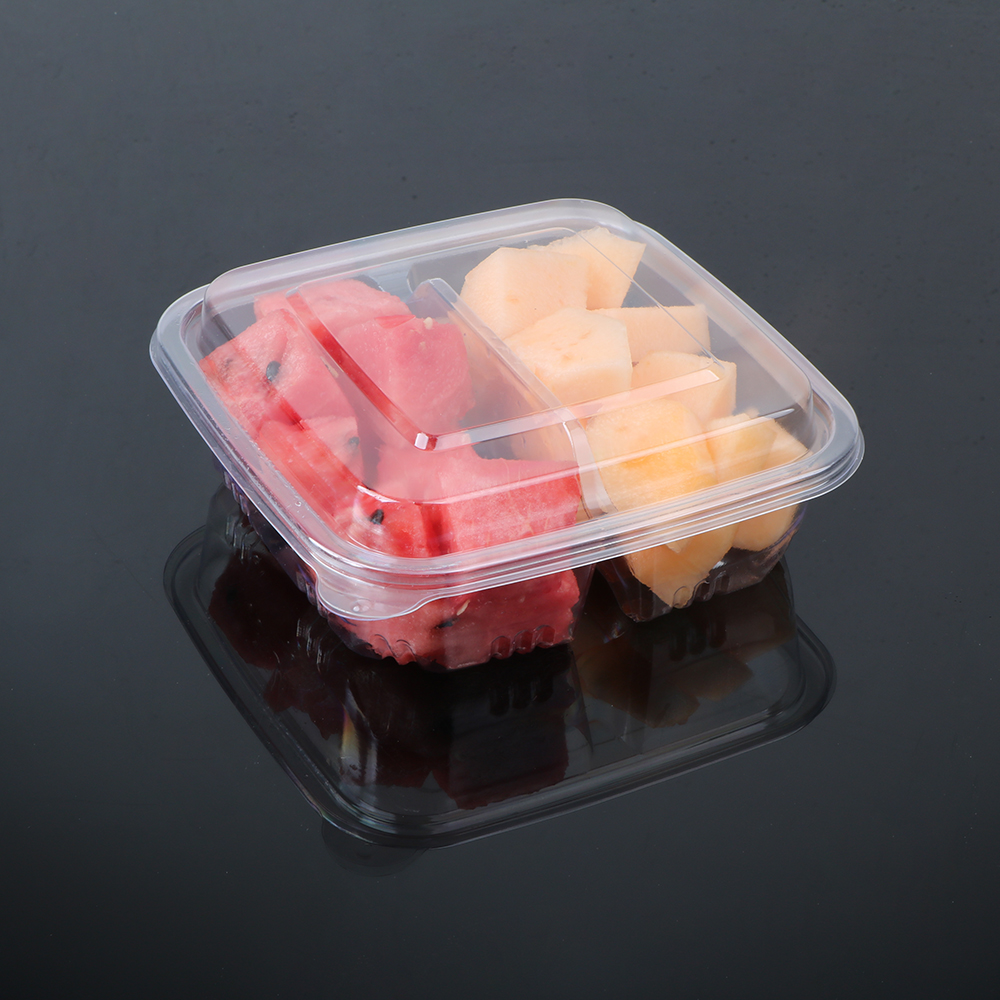
Unmatched Sealing Performance: Airtight, Leak-Proof, and Tamper-Evident
Gamma Seal and Snap-Fit Lids Deliver Industrial-Grade Airtightness
The gamma seals combined with those precision snap fit lids form really effective barriers against outside elements, beating regular closures hands down. These specially designed grooves hold the lid in place with even pressure across the surface, which means no pesky air pockets getting in there to speed up spoilage. Labs have run tests showing these sealing systems keep things fresh inside for about 30 percent longer compared to what we normally see on store shelves. Fresh fruits stay crispier for longer periods, and frozen foods don't develop that annoying ice crystal formation anymore, all without needing any extra preservatives. For businesses dealing with delicate items such as roasted coffee beans or finely ground spices, this kind of tight seal makes all the difference in maintaining quality standards during storage and transportation.
Leak-Proof Integrity Verified: 98.7% Liquid Retention in Real-World Testing
Testing showed these containers held their contents really well even after being shaken around hundreds of times. The Food Packaging Safety Council ran tests with all sorts of tricky liquids like soup, oil, and sauce, and found they retained about 98.7% of what was inside over 500 test cycles. What keeps them sealed tight? A combination of dual seal channels plus those special compression gaskets that adapt as conditions change. These features stop the annoying lid popping problem when moving between different temperatures or altitudes. For anyone who wants to take lunch on the go without worrying about spills, these containers work great for holding wetter foods. They also stack neatly in pantries for things like salad dressing bottles, and restaurants love them for dispensing ingredients in busy kitchens where messes just aren't acceptable.
Tamper-Evident Lids Enhance Safety for Home, Retail, and Food Service Use
Tamper indicators built right into containers these days include things like audible click seals and those breakable bands that show if someone messed with them. They give folks a quick look at whether something's been touched or not. Shared fridge situations benefit from this because it stops people from opening up what they shouldn't. Retailers can check that their products were handled properly too. And when food gets delivered somewhere else, like at events or conferences, this helps cut down on legal problems later on. The Food and Drug Administration actually considers these kinds of tamper signs pretty important stuff for places where there's a real risk of contamination happening. Think hospitals and schools especially where keeping things clean matters most.
Temperature Resilience and Functional Versatility of Plastic Food Containers with Lids
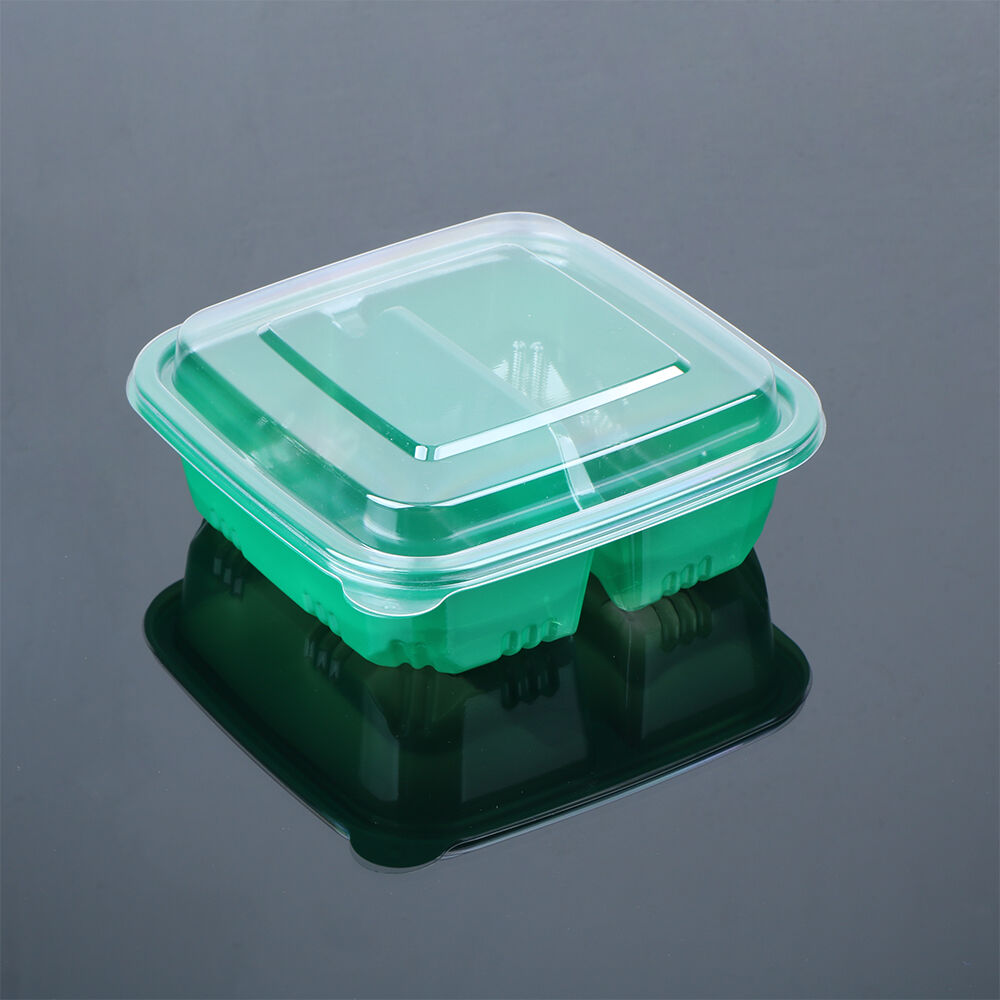
Microwave-Safe, Freezer-Stable, and Dishwasher-Durable (FDA 21 CFR §177.1520 Compliant)
Polypropylene (PP) containers rated for high performance meet FDA standards under 21 CFR §177.1520 and stay strong across a wide temperature range from minus 20 degrees Celsius all the way up to over 120 degrees Celsius. This means they can handle freezing storage, get safely reheated in the microwave, and survive multiple trips through the dishwasher without warping or letting chemicals escape into food. The gamma sealed lids on these containers trap steam when heating food in the microwave but still hold up against impacts even when stored in freezers. According to various packaging tests, this kind of heat resistance cuts down on replacement expenses by around three quarters compared to regular containers that don't have certification.
Optimized Portability, Stackability, and Space Efficiency for Meal Prep and Delivery
The lightweight design allows for nesting arrangements that actually save around 40% space in cabinets when compared to traditional glass options. The lids are precision molded so they really stick on tight during transportation, which has been shown to reduce spills by almost all in food delivery services according to field reports. There are those clever interlocking grooves that let the containers stack vertically without tipping over, plus the walls are angled inward to create more room inside without making the whole thing bigger outside. We're talking about containers weighing less than 200 grams each, yet somehow managing to offer great portability without sacrificing leak protection. They fit nicely into pantries too, making them popular among people who work out regularly, folks who grab lunch at their desks, and even busy restaurant kitchens looking to optimize storage space.
Proven Food Safety Through Certified Materials and Lid-Integrated Design
BPA-Free, NSF/ISO-Certified Plastics Reduce Chemical Migration by 92% vs. Non-Certified Alternatives
Food storage containers with lids crafted from BPA-free materials that have passed NSF/ISO certification tests show about 92% less chemical transfer than regular non-certified options. This makes all the difference when keeping things like citrus fruits or oily leftovers safe over time. To get those certifications, manufacturers must prove their products meet FDA standards plus European Union requirements through multiple rounds of testing involving heat exposure, freezing conditions, and countless washes. The way these lids are built right into the container creates an extra layer of protection from outside dirt and grime. Plus, they help prevent tiny cracks from forming even when exposed to extreme temperatures. Labs around the country have run extensive tests showing these containers stay within very tight limits regarding harmful substances like heavy metals and plastic additives. Whether someone is cooking meals for a restaurant or just packing lunch for work, these certified containers offer peace of mind about what gets transferred along with the food itself.