
 EN
EN
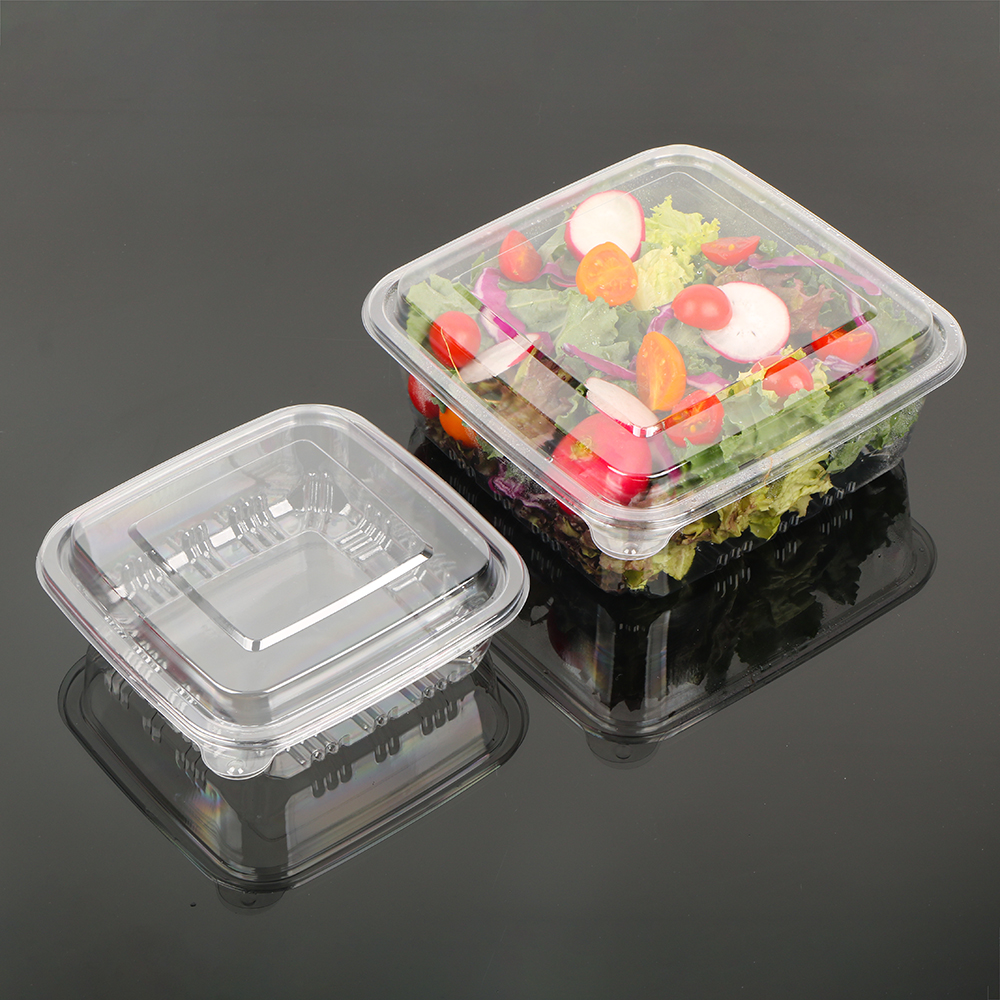
Leak-Proof Sealing for Enhanced Food Safety and Freshness
How Airtight Lid Mechanisms Prevent Spills, Contamination, and Oxidation
Containers with really tight lids have become game changers for takeaway food delivery. These lids come with special grooves and seals that stop liquids from leaking out while being transported, something that drives 65% of customers crazy according to last year's survey. The seals work by keeping air and bacteria out, which slows down spoilage and keeps food safer longer. This actually lines up with what the FDA says about keeping perishable items under 40 degrees Fahrenheit. Manufacturers test these containers thoroughly using ASTM standards D4991 and D3078 to make sure they perform consistently batch after batch. Restaurants serving lots of soups and sauces see around a 30% reduction in wasted food when switching to these better sealed containers. A big catering company told us their customer complaints about food safety dropped by 20% once they started using containers that met all these quality checks.
Balancing Microwave Venting Needs with Seal Integrity
Polypropylene plastic marked as PP #5 works great for microwaves because it allows steam to escape smartly without compromising the container's ability to stay sealed. The little holes designed specifically for releasing steam keep pressure from building up inside when food is reheated. This means no more sudden bursts of hot liquid everywhere, plus the containers still won't leak even when heated to around 220 degrees Fahrenheit. These newer lid designs are different from old-fashioned ones that don't have vents. Manufacturers actually test them extensively too. Real-world tests show these containers can handle over 500 microwave sessions without losing their ability to contain spills, something that meets industry standards for burst pressure called ASTM F2338.
Convenience and Portability in Daily Meal Management
Plastic food containers with lids streamline daily meal management through purpose-built ergonomics and spatial intelligence. Their lightweight PP #5 construction cuts carrying fatigue during commutes, while standardized dimensions and interlocking lids enable stable vertical stacking—reducing pantry or refrigerator footprint by up to 50% compared to irregular packaging.
Lightweight Design, Stackability, and Space-Efficient Storage
The strength to weight ratio of polypropylene means we get containers that are both tough and surprisingly light, without cracking when something heavy is placed inside them. Containers come in standard sizes with those slightly sloped sides that let them nest together securely. This works wonders for stacking on fridge shelves, fitting neatly into lunch bags, or organizing cabinets where space is tight. What was once a mess of mismatched containers has become something much easier to manage. Many people with busy kitchens tell stories about how much time they save each week now that everything fits together so well. Some say around three or four hours less spent hunting for matching lids or rearranging clutter just to find room for new items.
Transparency and Visual Identification for Quick Access and Portion Control
PP #5 premium grade plastic has amazing clearness that lets people see what's inside containers without needing to check labels or open them up first. When someone can actually see their breakfast or lunch through the container, it helps them decide faster when they're rushing out the door in the morning. Plus this transparency really helps with controlling how much food gets served. People who watch their portions visually tend to serve themselves about 30% less than those who don't, as shown in some research published back in 2022 by the Journal of Nutrition Education and Behavior. So clearer containers lead to more mindful eating habits overall and cut down on wasted food too.
Durability and Economic Sustainability of Reusable Plastic Food Containers with Lids
Why PP #5 Plastic Is the Preferred Material: BPA-Free, Microwave-Safe, and Lid-Integrated
Polypropylene or PP #5 has become the go-to material for reusable food containers because it brings together several important qualities: safety, heat resistance, and practical design features. Unlike older plastics that contained BPA which can mess with hormones, PP #5 doesn't have this issue at all. People can put these containers in the microwave multiple times without worrying about chemicals leaching out even when heated to around 220 degrees Fahrenheit according to FDA guidelines. Another smart feature is the molded-in lid that eliminates the need for separate seals, which means fewer parts that might break down over time and better protection against air getting in. Plus, since PP #5 can be recycled worldwide, it helps move toward more sustainable practices. About 28 percent of food-grade polypropylene gets collected and reused these days according to recent data from the Sustainable Packaging Coalition.
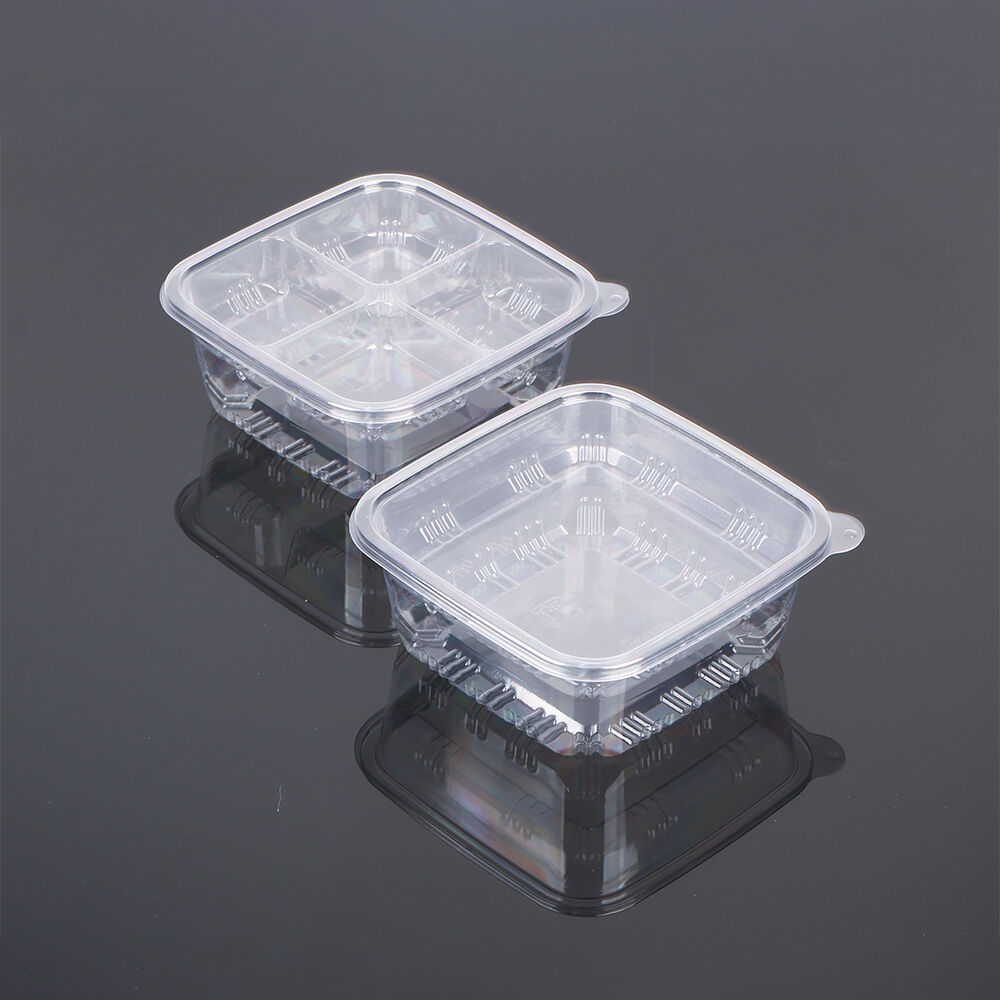
Dishwasher Safety and Lifecycle Cost Savings vs. Single-Use Alternatives
PP #5 containers withstand repeated dishwasher exposure—including high-heat drying cycles—without warping, clouding, or seal degradation, unlike PET or polystyrene alternatives. This resilience delivers measurable economic value: households switching from single-use to reusable containers save over $740 annually, per Ponemon Institute's 2023 cost-of-ownership analysis. Environmental impact follows suit:
| Cost Factor | Reusable Containers | Single-Use Alternatives | Annual Savings |
|---|---|---|---|
| Per-unit cost | $2–$5 | $0.20–$0.50 | — |
| Uses per container | 500+ cycles | 1 use | — |
| Annual expense | ~$15 | $750+ | 98% |
Single-use packaging generates 300% more waste volume by weight (U.S. EPA 2023), confirming that durability isn't just economical—it's foundational to sustainable consumption.
Multi-Environment Versatility: From Freezer to Microwave to On-the-Go
Today's plastic food containers come with lids designed to handle pretty extreme temperature changes—from sitting in the freezer at -18°C to getting tossed into the microwave for quick reheating—all while keeping their shape and protecting what's inside. The PP #5 material used in these containers stays tough even when cold, so they won't crack or become brittle after weeks in the freezer. When heated up fast in the microwave, this same material doesn't warp or leach chemicals into food either. Many containers now feature those little vents in the lid that let steam escape safely. No more opening and closing containers or transferring food to another dish just to avoid explosions in the microwave. This ability to go from freezer to oven without breaking down means these containers last longer than cheaper options. They also cut down on waste since people don't have to reach for single-use plastics every time they want to store leftovers. Plus, consumers get all this environmental benefit without giving up any convenience or risking their health.