
 EN
EN
Moisture Barrier Performance in Plastic Pastry Containers
Why Moisture Control Is Critical for Texture and Shelf Life
The way moisture moves around really affects how good pastries turn out. When there's too much humidity, those crispy crusts get all soggy, and when pastries lose moisture too fast, they go stale quicker than normal. Studies indicate that just a 2 percent increase in moisture content can make croissants feel damp instead of flaky, while losing about 5 percent moisture makes muffins tough and dry. Good packaging acts as a barrier that keeps things balanced inside, stops bacteria from growing, and actually makes pastries stay fresh for around three to five extra days compared to leaving them uncovered. Plastic containers work best when their moisture vapor transmission rate stays under 1 gram per square meter every 24 hours. This helps keep the pastry's texture right and prevents it from falling apart.
Polypropylene and PET: Engineering Superior Moisture Resistance
When choosing materials, the main concern is optimizing moisture vapor transmission rate (MVTR). Polypropylene or PP stands out with amazing moisture resistance around 0.5 grams per square meter per day. That's way better than PET which clocks in at 2.0 and PVC at 3.0. What makes PP special? It creates a natural barrier that keeps moisture inside where it belongs for things like danishes, while keeping outside humidity from getting in. PET works well alongside PP because it offers great clarity and stiffness, which is why we often see it in clear lids for packaging. For even better protection, manufacturers sometimes use multilayer coextrusion techniques. Take PP/EVOH/PP structures for example. These can bring MVTR down to about 0.2 grams per square meter per day. Such low numbers mean almost no condensation forms inside packages, so those flaky pastry layers stay crisp and delicate fillings remain intact without getting soggy.
Oxygen and Grease Resistance for Long-Lasting Flavor Integrity
Preventing Oxidative Rancidity in Butter- and Nut-Based Pastries
When it comes to losing that fresh bakery taste, fat oxidation is probably the biggest culprit behind flavor loss in things like butter croissants, those fancy almond tarts we all love, and even our favorite pecan danishes. What happens is when oxygen gets into these products, it starts reacting with the unsaturated fats they contain. This reaction creates those unpleasant rancid smells and flavors that can show up pretty quickly, especially if the pastries sit around at room temperature for too long. The chemical changes don't just affect how something tastes though. They actually reduce the nutritional benefits too. That's why manufacturers are increasingly turning to better oxygen barrier materials. These advanced packaging solutions help keep those delicate aromas intact while also giving products about 30% longer shelf life than what we typically see with regular packaging options on store shelves today.
Advanced Barrier Technologies: Coextrusion and EVOH Integration
The latest plastic containers for pastries rely on something called multilayer coextrusion technology. Basically, they combine a strong polypropylene base with ethylene vinyl alcohol (EVOH) layers that stop almost all oxygen from getting through, around 99.9% actually. What makes EVOH so good is how tightly packed its molecules are, creating basically an invisible barrier against air. For those worried about greasy messes, manufacturers also apply special coatings made from plant oils that keep fats from seeping out of rich fillings such as custard or even sticky baklava. These combined features help maintain taste integrity and prevent unsightly stains on packaging surfaces. Food scientists have tested these materials under extreme conditions over time, confirming that products stay fresh looking and tasting great right from when they leave the oven until someone finally opens the box at home.
Structural Design of Plastic Pastry Containers for Physical and Microclimatic Protection
Clamshell Precision: How Molded Cavities Minimize Compression and Condensation Buildup
The custom molded cavities inside those clamshell containers actually offer really good protection for pastries because they fit right around each item's shape. This means there's no empty space left where croissants might move around or fruit tarts could get squished during shipping, which would otherwise lead to damaged surfaces or even collapsed structures. The cavity design does something else important too. It creates controlled air flow patterns that help manage moisture levels and keep temperatures stable between the food products and the container itself. When condensation builds up inside packaging, it tends to make things soggy and can cause spoilage problems much faster. That's exactly what these designs try to prevent so the pastries stay fresh looking and maintain their desired texture throughout distribution. Made from rigid polypropylene material, these containers hold their shape even when stacked high in warehouses or on store shelves, maintaining consistent conditions all the way from factory floor to customer hands.
Clarity, Anti-Fog, and Consumer Appeal in Bakery Packaging
Balancing Optical Clarity with Functional Anti-Fog Performance
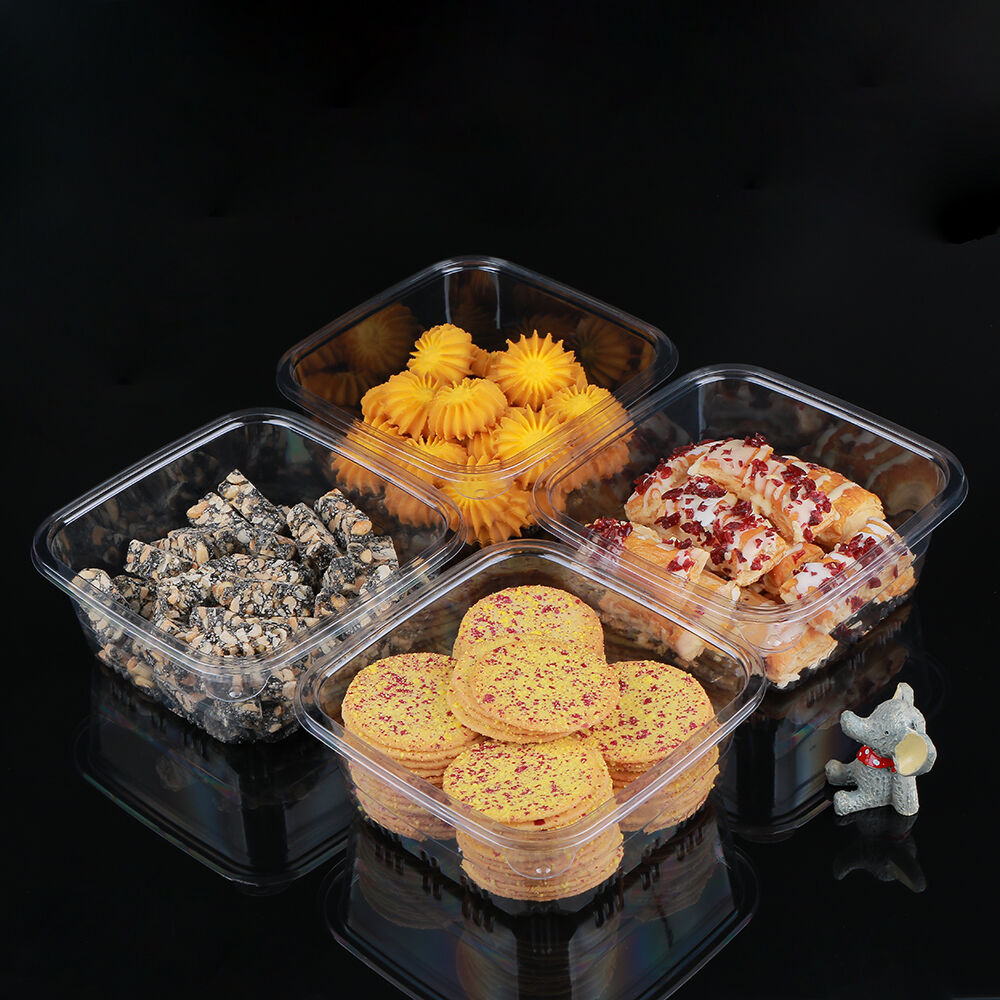
The way baked goods look has a huge impact on what people buy at bakeries. Studies show something like 60 percent of those last minute purchases happen because shoppers can actually see if the pastries are fresh and well made. But here's the problem: when temperatures change inside display cases, fog builds up on the glass. This makes everything blurry and gives the impression that items might be old or stale. New anti-fog treatments help fight against this moisture buildup while keeping the glass clear enough to spot every crumb and crust detail during the product's entire time on display. When customers can clearly see what they're buying, they tend to trust the quality more and walk away with purchases they wouldn't have considered otherwise.