
 EN
EN
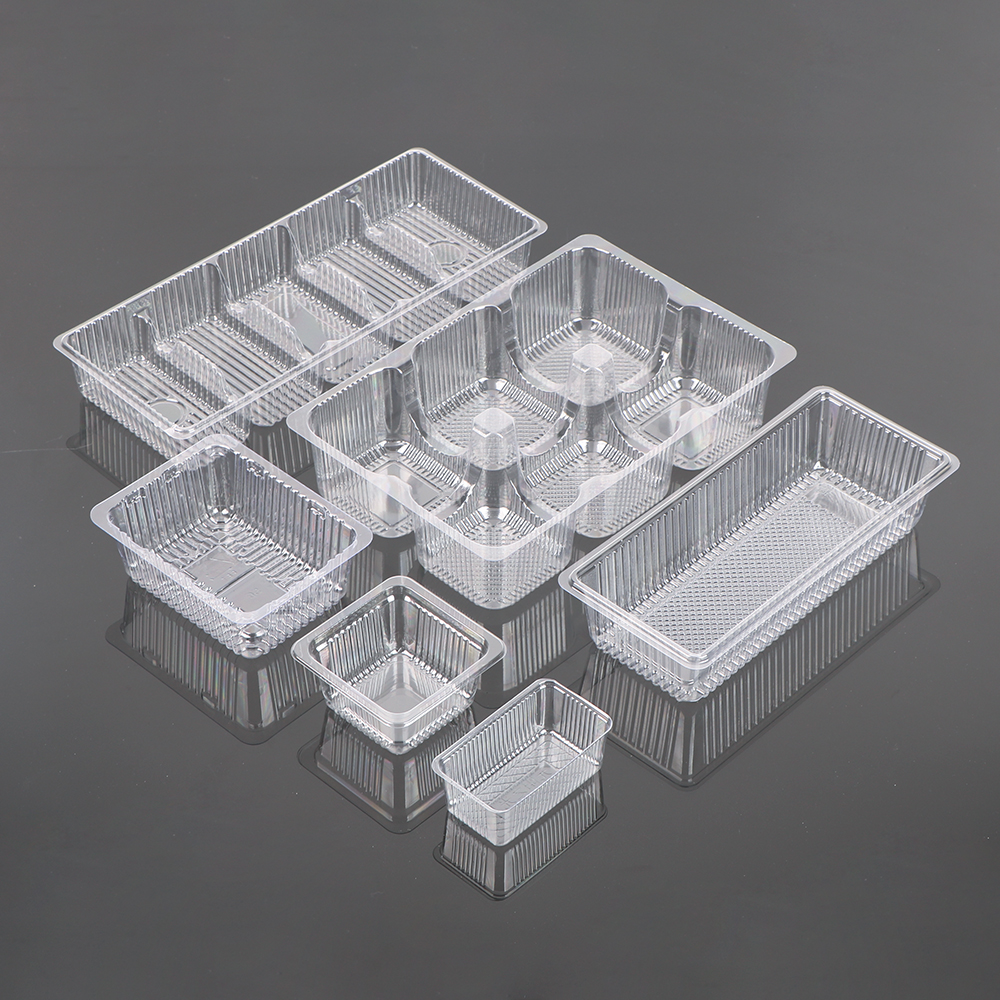
What Makes a Plastic Cookie Tray Truly Food-Safe?
FDA and EU Compliance: Non-Negotiable Standards for Plastic Cookie Tray Materials
Plastic cookie trays that are safe for food need to pass strict tests set by both the U.S. FDA and the European Union. These regulations exist because nobody wants chemicals getting into their baked goods. Manufacturers have to make sure their plastic doesn't release dangerous stuff like phthalates or BPA, especially when exposed to hot, greasy cookies during baking. The FDA actually sets a pretty low bar here, allowing only 0.5 milligrams per kilogram of substance to migrate into food simulants. Things get even stricter under EU rules, where there are different limits depending on what kind of plastic we're talking about. For regular plastics, they allow up to 10 mg per square decimeter, but if something might cause cancer, that drops way down to 0.05 mg per kg. Meeting these standards isn't just about passing a lab test once in a while. Companies really need proof that their materials stay safe through all those production runs, not just one perfect batch.
Understanding Food Contact Migration Limits Under Real-Use Conditions
When it comes to migration testing, labs aren't enough anymore. Real bakery environments matter because cookie trays sitting around at temperatures below 40 degrees Celsius still release molecules thanks to leftover heat, dampness, and oil on surfaces. That's why regulatory bodies insist on testing materials against substances similar to what they'll actually contact. Ethanol works for simulating buttercream, while acetic acid helps test how materials react to glazes. Recent research published last year showed something alarming too many people overlook: plastic trays made with recycled materials often breach safety limits within only 50 dishwashing cycles. No wonder top bakeries across the country demand only new, high quality resins for their packaging needs. The constant heating and cooling these containers go through weakens them gradually. After months of repeated use, cracks can develop in protective layers, creating opportunities for contaminants to get into products.
Performance Advantages of a Food-Safe Plastic Cookie Tray
Thermal Stability for Cooling, Storage, and Light Reheating (Up to 40°C)
Plastic cookie trays designed for food safety stand up well to the heat challenges bakers face daily. These special trays handle everything from quick cooling after baking right through refrigeration storage and even short periods of warming before serving time. Regular plastic would warp or crack at around 40 degrees Celsius, but these trays stay stable without any issues like warping, cracking, or releasing unwanted chemicals. That means cookies stay aligned properly in their spots, portions remain consistent, and presentation looks good throughout. Bakers appreciate how this temperature resistance prevents wasted products when trays fail, plus it works smoothly with modern equipment like automated cooling racks and those fast chilling machines used in commercial kitchens.
Superior Moisture and Oil Barrier Protection for Fresh Bakery Goods
New polymer blends form a strong, water repelling layer that cuts down on both moisture and oil moving through the material. Tests done by third parties indicate these special trays slash moisture movement by around 85 percent when compared with regular options according to Packaging Digest from last year. This means baked goods stay crispy for over three days straight. The trays also stand up well against rich doughs and sugary frostings without breaking down or getting gummy. No more worrying about leftover flavors mixing between different products either. All this adds up to roughly 30% less waste caused by soggy snacks ending up in the trash.
| Protection Feature | Benefit | Industry Impact |
|---|---|---|
| Moisture Barrier | Maintains crisp texture | 72-hour freshness extension |
| Oil Resistance | Prevents surface degradation | Eliminates sticky residue buildup |
| Non-Absorbent | No flavor transfer | Consistent batch quality |
This dual-phase barrier technology also streamlines sanitation—requiring 40% less detergent for effective grease removal in commercial dishwashers—without sacrificing cleaning efficacy or material longevity.
Hygiene, Durability, and Operational Safety in Commercial Use
Non-Porous Surface Integrity and Cleanability in High-Traffic Food Service Settings
For bakeries and food service operations dealing with massive volumes, the smooth surface of food grade plastic cookie trays makes all the difference when it comes to keeping things clean. Unlike traditional materials that trap germs in tiny pores, these modern trays just wipe down quickly and thoroughly even after going through harsh industrial wash cycles and getting hit with sanitizing chemicals time and again. Real world testing shows most units knock out microbes within about a minute flat during busy periods, which helps restaurants pass their HACCP checks without headaches. Some kitchens report around 30% fewer failed swab tests since switching to these trays, especially where they process over 500 per day. Plus, because there are no seams or gaps where bacteria can hide, stacking them doesn't spread contamination between batches. And let's not forget the workers who handle them all day long benefit too - the trays are designed so they don't strain hands and arms as much, making for safer working conditions overall.
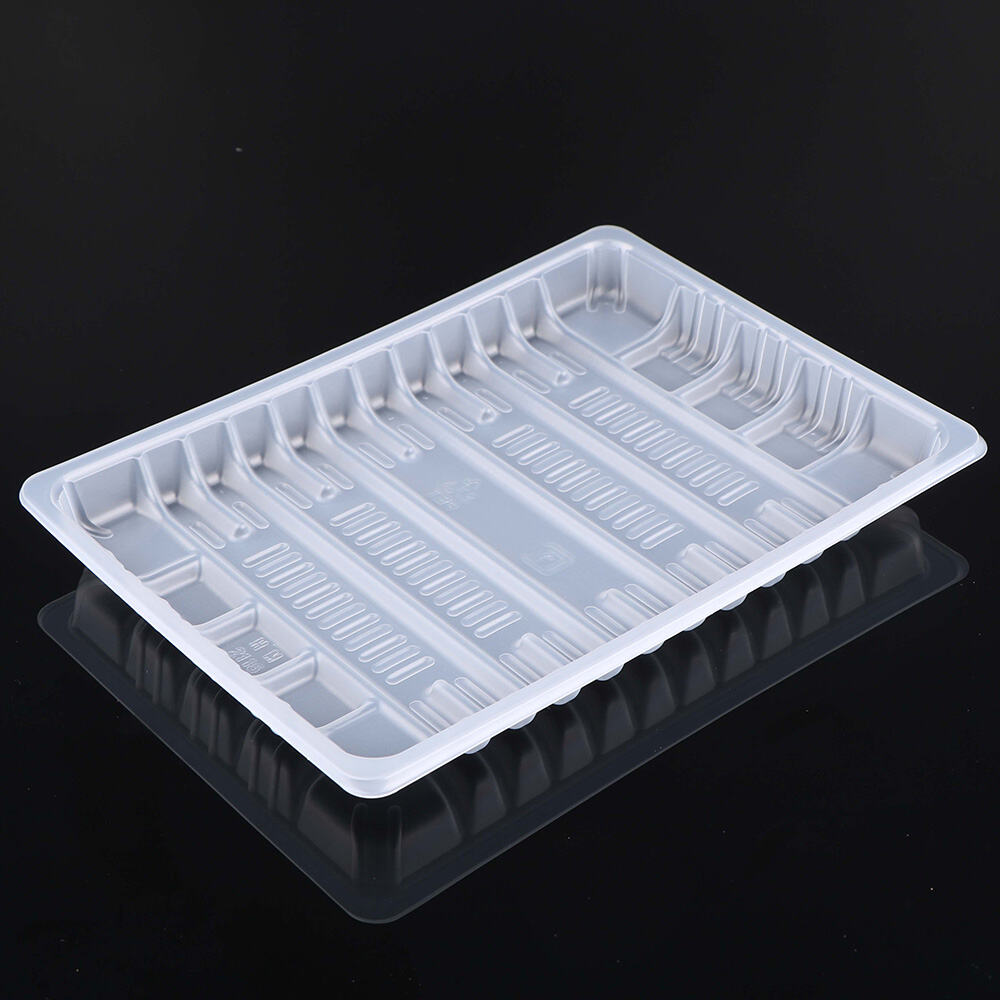
Sustainability and Cost Efficiency of Reusable Plastic Cookie Trays
Food service operations are finding real benefits when switching from disposable to reusable plastic cookie trays made for food contact. These trays last through hundreds of washes in commercial dishwashers, which means restaurants save money on packaging costs somewhere around 20 to 30 percent because they don't have to keep buying new ones and pay less for waste disposal. The latest versions made from FDA approved recycled PET material actually reduce carbon footprint by about a third compared to regular plastic, all while still meeting safety standards. Sure, the initial price tag is steeper than disposables, but most businesses find they start seeing returns within a year at most. This makes sense financially and helps meet those new EPR regulations many places are adopting now, plus customers seem to appreciate the greener approach these days.