
 EN
EN
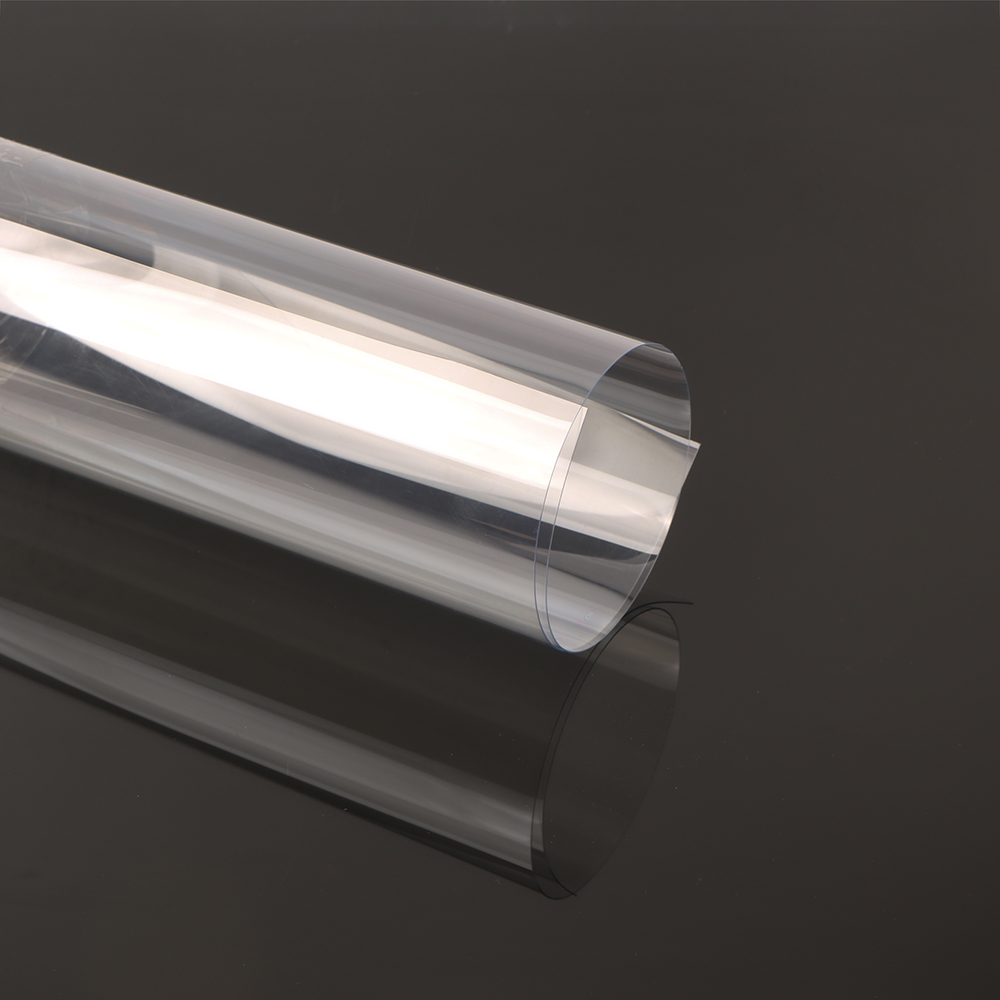
Unmatched Mechanical Strength and Long-Term Durability
High tensile strength and impact resistance under dynamic stress
The mechanical properties of PET film sheets are really impressive. Tensile strength ranges between 150 and 200 MPa, which beats PVC and PP options by around 40 to 60 percent. This makes them great for applications where things get pretty intense, such as on conveyor belts or safety barriers in factories. What's interesting is how PET holds together when hit unexpectedly. Tests show it can absorb about 30 kJ per square meter before breaking apart. The reason behind this toughness has to do with how molecules align during production, spreading out stress throughout the material rather than letting it concentrate in one spot. Manufacturers run all sorts of durability checks, and PET film typically survives over 10,000 bending cycles while stretching just 5%. That kind of endurance explains why so many machines rely on PET parts that need to move constantly without failing.
Extended service life in industrial, packaging, and labeling applications
PET film lasts about 10 to maybe even 15 years outdoors thanks to its ability to resist both water breakdown and repeated stress. That's three times longer than what we typically see with vinyl films. When it comes to packaging applications, PET containers still hold up pretty well after five full years of being loaded and unloaded repeatedly, cutting down on how often they need replacing compared to polypropylene alternatives. Tests done under accelerated aging conditions reveal something interesting too: PET labels keep their stickiness at around 3.5 Newtons per 25 millimeters even after getting exposed to UV light equaling eight whole years worth of sunshine. All these numbers mean real money savings over time for businesses operating in different industries.
- Industrial: 70% fewer replacements in machinery shielding
- Logistics: 60% longer service in pallet wrapping
- Retail: 45% reduction in label reapplication costs
Reliable Thermal, Chemical, and Dimensional Stability
Stable performance up to 150°C and compatibility with autoclaving and hot-fill processes
PET can hold its shape even when heated to around 150 degrees Celsius. That's pretty impressive compared to other materials like PVC which starts to struggle at just 70 degrees, and PP that gives up at 100 degrees according to recent testing published in the Polymer Stability Review from last year. When it comes to actual applications, this heat resistance means PET works great for things like autoclaving where equipment needs to withstand 121 degree sterilization cycles, as well as hot fill packaging where liquids at about 95 degrees get poured directly into containers. What makes PET really stand out though is how little it changes dimensions when exposed to heat. At 120 degrees Celsius, it only expands or contracts by about plus or minus 0.3%. This stability prevents problems with warping during critical processes like laminating electronic components or making medical devices. Manufacturers report about a 22% drop in failures caused by temperature issues when switching to PET over other options.
Superior resistance to hydrolysis, acids, alkalis, and common solvents vs. PVC and PP
When it comes to resisting chemicals, PET stands out from the crowd. After sitting in 10% sulfuric acid for 500 straight hours, PET keeps 94% of its original tensile strength. That's way better than PVC at just 60% or PP at 75%, according to Material Degradation Analysis from last year. The material also handles moisture really well. At 85% humidity levels, PET shows less than 2% change in properties while PVC tends to leak plasticizers over time. What makes PET so special? It doesn't dissolve in strong alkalis like pH 14 solutions, nor does it react to common solvents such as ethanol or acetone. This makes PET perfect for things like chemical labels that need to stay legible, industrial tape applications where durability matters, and parts that get washed with solvents during manufacturing. Companies working in harsh chemical environments report saving around 35% on replacement costs when they switch to PET materials instead of alternatives.
Outstanding Optical Clarity, Surface Gloss, and Print Adhesion
90%+ Light Transmission and >120 GU Gloss for Premium Visual Presentation
PET film sheets offer outstanding optical properties that make them ideal for applications where visibility matters most. These films typically transmit more than 90% of available light and have gloss levels above 120 GU, giving them almost glass-like transparency. When used together, these characteristics produce striking visual depth perfect for things like product packaging and high-end label designs. What makes PET so effective is how it reduces unwanted light scatter while boosting surface reflectivity. Retailers love this because products literally pop off shelves in stores, catching shoppers' eyes even from across the room.
Excellent Ink Adhesion and Surface Treatability for High-Fidelity Digital and Flexographic Printing
Modifying surface energy helps PET film sheets stick better to ink, which means printed details stay sharp whether using digital or flexo printing methods. The material's chemistry actually creates pretty good bonds at the molecular level with different types of inks including solvents, UV stuff, and water based ones too. This prevents those annoying smudges or flaking when moving products around warehouses or shipping them out. For industries needing long lasting labels or wanting those crystal clear graphic prints on packaging, this kind of reliable adhesion makes all the difference in quality control and customer satisfaction.
Robust Barrier Properties and Regulatory Compliance for Safe Applications
PET film sheets offer important barrier protection that keeps sensitive materials safe. With a moisture vapor transmission rate around 0.5 to 2 grams per square meter over 24 hours, plus oxygen transmission rates between 1 and 5 cubic centimeters per square meter under atmospheric pressure, these films really extend how long products stay fresh in food packaging, medical supplies, and pharmaceuticals. The way PET controls what gets through helps stop things from breaking down due to air or dampness getting in. Compared to options such as metalized films, PET actually performs better when looking at both price tags and whether something can be recycled later on.
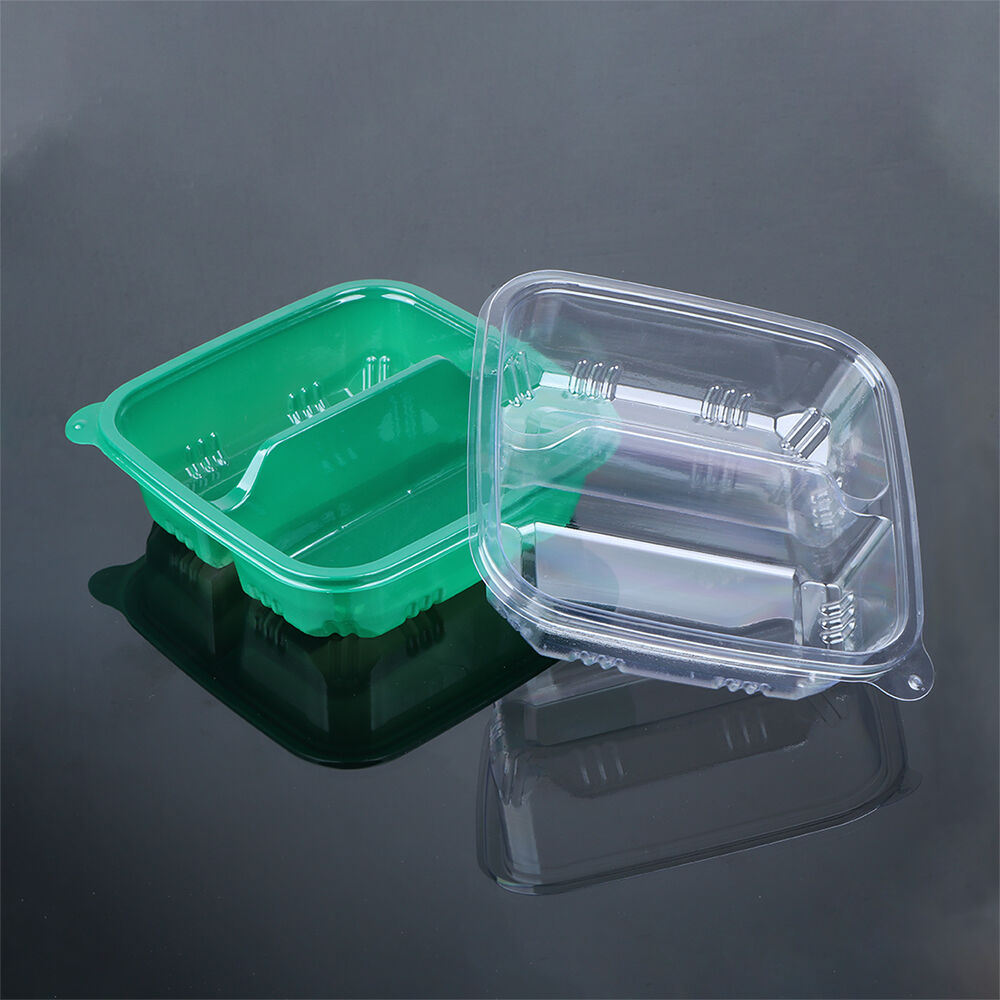
Inherent UV stability and FDA/EC 10/2011 compliance for food, pharma, and medical PET film sheet use
Beyond physical barriers, PET's inherent UV resistance protects light-sensitive compounds without requiring additional coatings. Its compliance with FDA 21 CFR and EC 10/2011 regulations ensures safe direct contact with consumables and pharmaceuticals. This dual capability of barrier performance and certified safety makes PET film indispensable for:
- Medical device sterilization packaging
- Blister packs for moisture-sensitive tablets
- Ready-to-eat meal trays requiring extended freshness