
 EN
EN
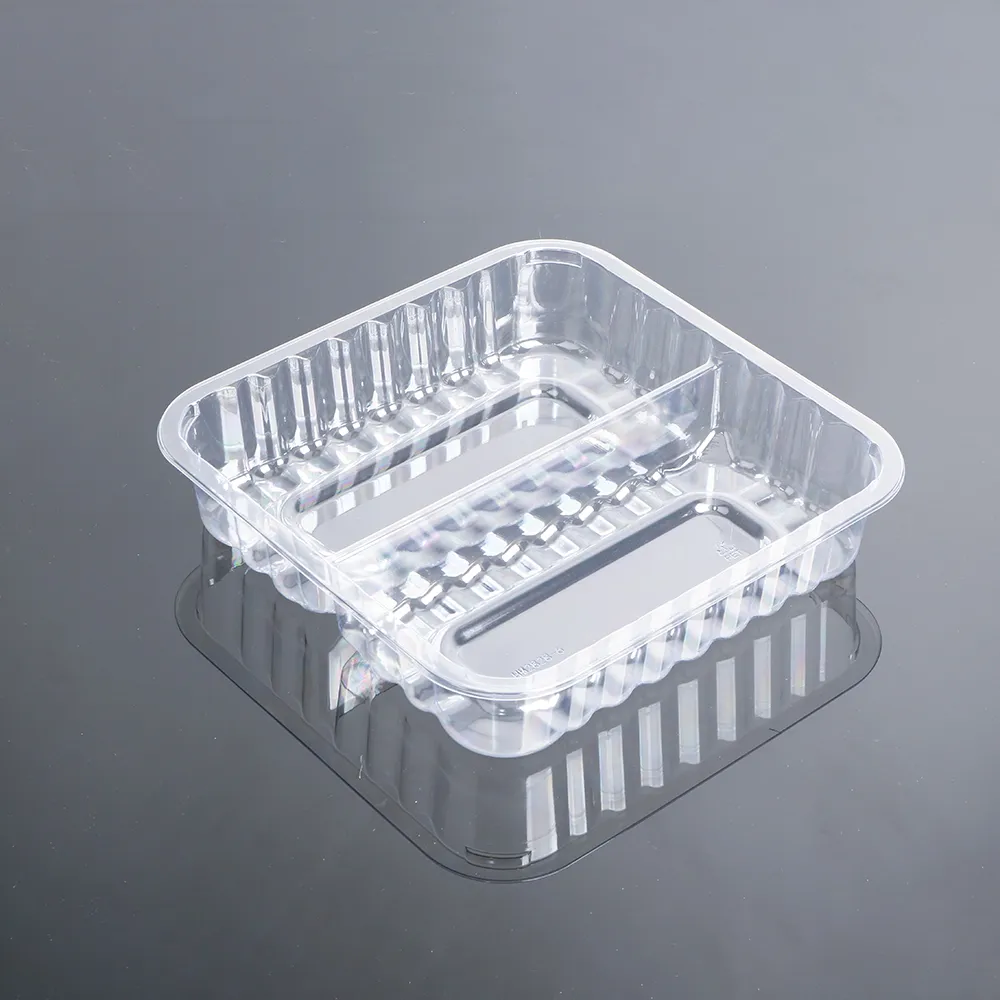
PP Packaging for Fresh Produce: Optimizing Breathability and Moisture Management
Microperforation Technology in PP Films for Leafy Greens
Microperforated PP films enable precise control of gas exchange to match the respiration rate of leafy greens—slowing enzymatic browning, wilting, and microbial growth without chemical preservatives. Laser-drilled pores allow calibrated O₂ ingress and CO₂ egress while limiting moisture loss, maintaining optimal relative humidity (90–95%) without condensation. Because respiration peaks vary by crop and temperature—e.g., fresh-cut romaine reaches 45–60 mg CO₂/kg·h at 5°C (Postharvest Packaging Review 2023)—pore patterns can be tuned for specific produce types. Integrated anti-fog coatings preserve clarity through cold-chain fluctuations, supporting visual quality assessment. Field trials demonstrate that microperforated PP bags reduce weight loss by 18% and visual decay by 22% over an 8-day retail period versus non-perforated alternatives—making them especially valuable for organic leafy greens where preservative-free shelf-life extension is essential.
Case Study: PP Crates Extending Shelf Life of Berries by 3.2 Days
In a controlled cold-chain study comparing blueberries packed in standard corrugated boxes versus vented PP crates (Berry Supply Chain Study 2023), the PP crates delivered measurable performance advantages. Their open-mesh design enabled 40% greater air circulation, reducing core temperature buildup by 2.8°C during precooling and transport. Smooth internal surfaces minimized bruising, helping berries retain firmness above 280 g/mm² for 3.2 additional days—extending marketable shelf life from 9.1 to 12.3 days. Drainage channels in the crate base directed condensate away from fruit, cutting surface mold incidence by 34%. Retailers reported a 15-point increase in consumer acceptance scores for color and texture, and the 3.2-day extension correlated with a 24% reduction in in-store waste. This case underscores how structural packaging design—complementing film-based breathability—can directly improve yield, quality, and profitability across the fresh berry supply chain.
PP Packaging for Ready-to-Eat Meals: Ensuring Heat Resistance and Reliable Seal Integrity
121°C Retort Compatibility for Sauce-Heavy Meal Kits
Sauce-heavy meal kits require packaging capable of surviving rigorous retort sterilization at 121°C while preserving seal integrity and food safety. Polypropylene excels here due to its high melting point (>160°C) and operational stability up to 146°C (295°F), providing ample thermal headroom during the standard 30-minute retort cycle—even when filled with acidic tomato or oil-rich cream sauces. Its inherent chemical resistance prevents sauce components from degrading the inner sealant layer, and multilayer PP/EVOH structures deliver the oxygen barrier needed for shelf-stable distribution without refrigeration. Precise control of heat, pressure, and dwell time during sealing ensures a hermetic interface that withstands internal pressure spikes. The result is a commercially sterile, leak-proof package that meets FDA and USDA requirements for ambient-distribution ready-to-eat meals.
Microwave Performance: 94% Seal Retention Rate (ASTM F2096)
For ready-to-eat meals transitioning directly from refrigerator to microwave, PP packaging delivers exceptional thermal resilience. With hot-fill tolerance up to 127°C (260°F) and molecular stability under rapid heating, it resists warping, leaching, or seal failure. Per ASTM F2096—the standardized bubble test for gross leaks—94% of PP-based packages retain full seal integrity after repeated microwave reheating. This means the seal resists both channel leaks and peel failures even as internal sauces reach boiling point. The consistency stems from PP’s uniform heat-sealing behavior and dimensional stability across thermal cycles—ensuring consumer safety, sauce containment, and product freshness across multiple reheat events.
PP Packaging for Frozen and Dry Foods: Addressing Low-Temperature Toughness and Barrier Needs
Copolymer PP Blends Preventing Embrittlement at −25°C
Standard homopolymer PP loses impact strength below freezing, risking cracks during handling and storage of frozen goods. Copolymer PP blends—incorporating ethylene or other comonomers—retain flexibility and ductility down to −25°C, absorbing mechanical shocks without fracturing. This low-temperature toughness safeguards packaging integrity throughout the frozen supply chain, preventing exposure to freezer burn, moisture ingress, or contamination. Processors and logistics providers benefit from fewer product losses and improved cold-chain reliability—particularly for frozen vegetables, ice cream, and prepared entrées packaged in copolymer PP containers, liners, and flexible films.
Coextruded PP/EVOH Films Achieving OTR <0.5 cm³/m²·day·atm
Plain PP film offers limited oxygen barrier performance (OTR: 1500–3000 cm³/m²·day), rendering it unsuitable for oxygen-sensitive dry foods like nuts, coffee, or powdered dairy. Coextruding PP with a thin EVOH layer creates a high-barrier laminate that reduces OTR to less than 0.5 cm³/m²·day·atm—effectively blocking oxidative degradation. In this structure, PP layers provide mechanical strength, moisture resistance, and robust heat-seal performance, while the EVOH core delivers critical oxygen exclusion. These coextruded films are ideal for frozen ready meals, dried fruits, and snack mixes where flavor, aroma, and nutrient retention are paramount. Crucially, the laminate maintains consistent barrier properties across temperature fluctuations common in cold-chain logistics—ensuring long shelf life and sensory quality without reliance on secondary packaging or nitrogen flushing.
FAQ
What is the role of microperforation technology in PP packaging for leafy greens?
Microperforation technology in polypropylene (PP) packaging allows precise gas exchange, matching the respiration rate of leafy greens to optimize their freshness and shelf life while reducing moisture loss.
How do PP crates extend the shelf life of berries?
Vented PP crates offer better air circulation, minimize bruising, and reduce mold incidence, which together extend the shelf life of berries by maintaining their firmness and reducing waste.
Can PP packaging withstand high heat for ready-to-eat meals?
Yes, PP packaging is designed to resist high temperatures, making it suitable for 121°C retort sterilization and microwave heating without warping, leaking, or losing seal integrity.
Why are copolymer PP blends ideal for frozen foods?
Copolymer PP blends retain flexibility and prevent embrittlement at temperatures as low as −25°C, ensuring durability and protection against freezer burn and mechanical damage in the cold supply chain.
What are the benefits of coextruded PP/EVOH films for dry food packaging?
Coextruded PP/EVOH films offer a strong oxygen barrier to prevent oxidative degradation, ensuring long shelf life and preserving the flavor, aroma, and nutrient integrity of oxygen-sensitive dry foods such as nuts and coffee.
Table of Contents
- PP Packaging for Fresh Produce: Optimizing Breathability and Moisture Management
- PP Packaging for Ready-to-Eat Meals: Ensuring Heat Resistance and Reliable Seal Integrity
- PP Packaging for Frozen and Dry Foods: Addressing Low-Temperature Toughness and Barrier Needs
-
FAQ
- What is the role of microperforation technology in PP packaging for leafy greens?
- How do PP crates extend the shelf life of berries?
- Can PP packaging withstand high heat for ready-to-eat meals?
- Why are copolymer PP blends ideal for frozen foods?
- What are the benefits of coextruded PP/EVOH films for dry food packaging?