
 EN
EN
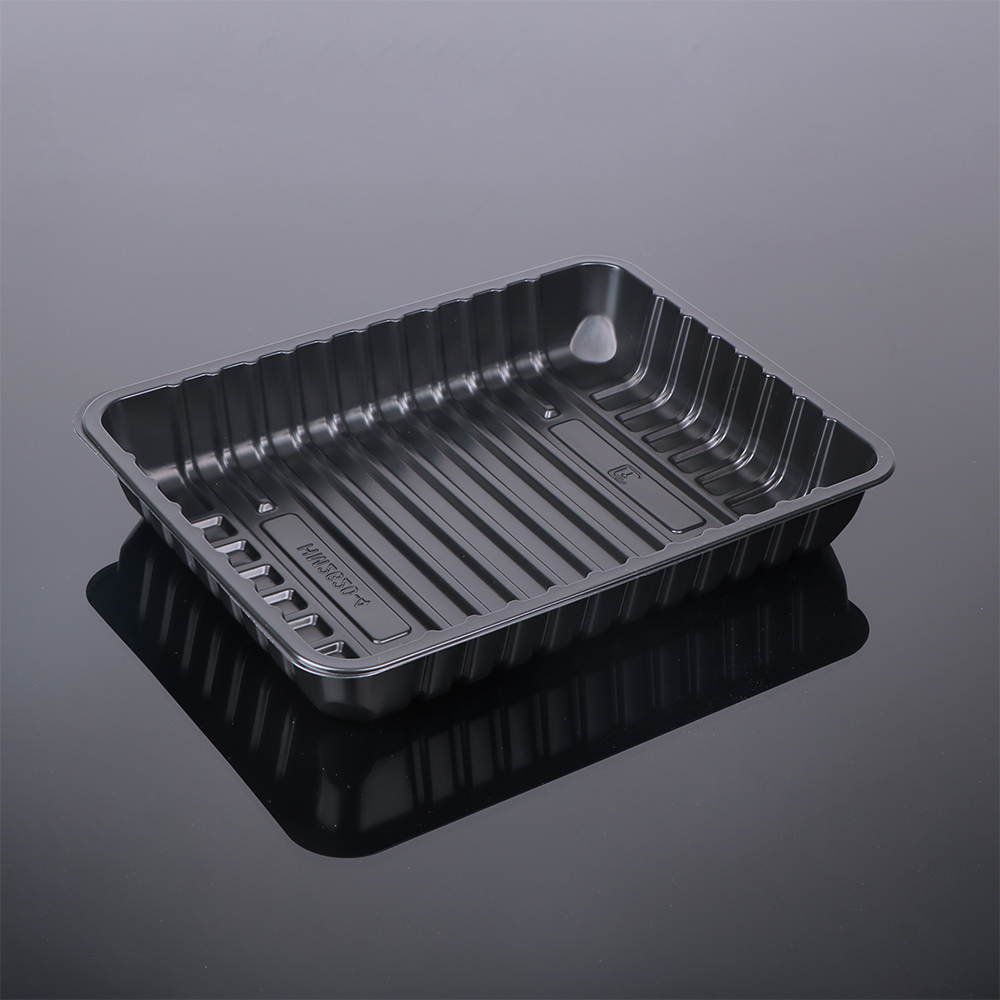
Why Food-Grade PP Packaging Is Ideal for Modern Food Applications
Thermal Stability and Heat Resistance for Hot-Fill, Microwave, and Sterilization Processes
Food-grade polypropylene (PP) excels in thermal stability—a non-negotiable requirement for today’s high-speed, multi-stage food processing. With a continuous-use temperature resistance up to 160°C (Labelprint24, 2025), PP maintains dimensional integrity during hot-fill, microwave reheating, and high-temperature sterilization methods such as retort and steam autoclaving. Unlike lower-melting plastics, it resists warping, seal failure, or delamination under thermal stress—critical for preserving food safety and shelf life. This reliability enables direct consumer use (e.g., microwave-safe containers), reducing secondary packaging waste and improving convenience. For manufacturers, consistent performance across pasteurization, sterilization, and hot-fill ensures packaging remains functional without compromising clarity, seal strength, or barrier properties—making PP especially well-suited for ready-to-eat meals, soups, and dairy products.
Chemical Inertness and Regulatory Compliance: FDA 21 CFR §177.1520 and EU 10/2011 Migration Limits
PP’s chemical inertness is central to its food safety profile. It resists degradation from organic acids, alkalis, oils, and common food processing solvents—minimizing the risk of taste alteration or unintended migration. This stability is codified in globally recognized regulatory frameworks: FDA 21 CFR §177.1520 explicitly approves PP for food contact, specifying compositional limits and migration thresholds for additives; EU Regulation (EU) No 10/2011 reinforces this with strict overall migration limits (OMLs) and substance-specific migration limits (SMLs). PP consistently meets both standards—and unlike polycarbonate or certain PVC formulations, it contains no bisphenol A (BPA) or phthalates, aligning with clean-label expectations. For B2B buyers, verifying compliance via certificates of analysis and third-party migration testing is essential to uphold supply chain integrity and consumer trust.
Selecting the Optimal PP Packaging Format by Food Type and Use Case
Rigid PP Containers for Ready-to-Eat Meals and Dairy: Clarity, Stiffness, and Seal Integrity
Rigid PP containers are the benchmark for ready-to-eat meals and dairy products—delivering the stiffness, clarity, and sealing performance these applications demand. Homopolymer PP provides high heat distortion temperatures (>100°C), supporting microwave reheating and hot-fill without deformation, while its rigidity ensures compatibility with automated filling, capping, and stacking systems. For yogurt, soft cheese, and other visually sensitive products, random copolymer PP is preferred: its enhanced transparency allows consumers to assess freshness and quality at point of sale—a proven driver of purchase decisions. Equally important is seal integrity: a robust, hermetic closure prevents microbial ingress and moisture exchange, significantly extending shelf life for high-water-activity foods and reducing spoilage-related waste.
Flexible PP Films and Laminates for Snacks and Sauces: Moisture, Oil, and Oxygen Barrier Performance
Flexible PP formats—including biaxially oriented polypropylene (BOPP) films and coextruded laminates—are purpose-built for snacks and liquid sauces. BOPP delivers an excellent moisture vapor barrier, critical for preserving crispness in dry goods like chips and biscuits—where even a 1% moisture gain can trigger staling. While single-layer BOPP offers limited oxygen resistance, multi-layer structures overcome this limitation. Common configurations pair BOPP’s printability and tensile strength with cast PP (CPP) for heat-sealability and enhanced barrier performance. For oil-rich snacks or oxygen-sensitive sauces, coextruded PP films integrate ethylene vinyl alcohol (EVOH) layers to deliver high oxygen barrier protection—slowing rancidity and oxidation without compromising seal integrity or fill-line compatibility. This engineered layering ensures stable, safe containment from production through retail and home storage.
Ensuring Production Efficiency and Market Readiness with PP Packaging
To accelerate time-to-market and optimize manufacturing, PP packaging must integrate seamlessly into existing production infrastructure—both mechanically and regulatory. Two interdependent pillars support this: processing compatibility and certification traceability.
Processing Compatibility: Thermoforming, Injection Molding, and High-Speed Filling System Requirements
PP’s broad processability makes it ideal for thermoforming and injection molding—the dominant methods for rigid food containers. Its predictable melt flow behavior and rapid crystallization enable tight dimensional control, minimizing variability in wall thickness and seal geometry. That consistency prevents jams on high-speed filling lines and eliminates post-fill warping during hot-fill operations. Processors further enhance efficiency by tailoring PP formulations—using nucleating agents or adjusting copolymer ratios—to reduce cycle times and cut per-unit energy consumption by up to 15% versus less-engineered alternatives. This adaptability reduces retooling needs and supports rapid scale-up of new SKUs.
Verifying Food-Grade Certification and Supply Chain Traceability for B2B Buyers
B2B buyers must confirm that PP packaging complies with FDA 21 CFR §177.1520 and EU Regulation (EU) No 10/2011—not just in declaration, but through verifiable documentation: full migration test reports, compositional declarations, and supplier-issued certificates of compliance. Equally vital is traceability: batch-level coding, digital chain-of-custody records, and certifications such as ISO 22000 or FSSC 22000 provide auditable assurance that raw materials and finished packaging remain uncontaminated throughout the supply chain. Transparent, documented traceability mitigates recall exposure, enables swift corrective action when needed, and strengthens brand credibility with retailers, regulators, and end consumers.
FAQ Section
What makes food-grade PP packaging ideal for high-temperature processes?
Food-grade PP offers excellent thermal stability, maintaining dimensional integrity even during hot-fill, microwave reheating, and sterilization processes like retort and steam autoclaving.
Is PP packaging safe for food contact?
Yes, PP packaging complies with global standards such as FDA 21 CFR §177.1520 and EU Regulation (EU) No 10/2011, ensuring chemical inertness and safety.
What is the difference between rigid and flexible PP packaging formats?
Rigid PP containers are ideal for products requiring stiffness and seal integrity, like ready-to-eat meals. Flexible PP films are designed for snacks and sauces, offering barriers to moisture, oil, and oxygen.
How can B2B buyers verify the compliance of PP packaging?
They can request documentation such as migration test reports, compositional declarations, and supplier-issued certificates of compliance to ensure regulatory adherence and traceability.