
 EN
EN
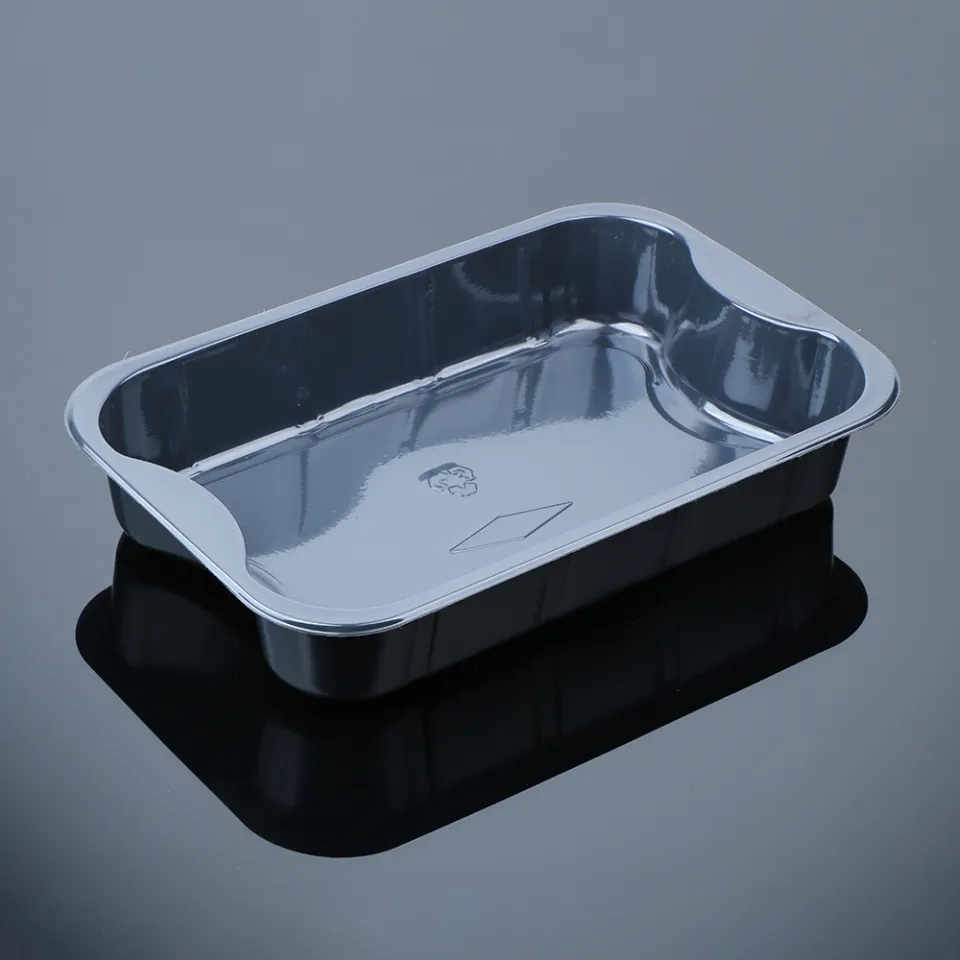
Hot-Filled Ready-to-Eat Meals: CPET Trays for Thermal Integrity
Thermal Stability Under High-Temperature Filling (up to 95°C)
Crystallized Polyethylene Terephthalate (CPET) trays are the definitive packaging choice for hot-filled ready-to-eat meals—offering unmatched thermal integrity during direct filling at temperatures up to 95°C (203°F). Unlike standard amorphous PET, CPET’s engineered crystalline structure delivers exceptional resistance to warping, softening, or seal failure under thermal stress. This stability ensures consistent dimensional accuracy throughout high-speed production, minimizing line stoppages and material waste. Crucially, CPET maintains mechanical strength and barrier performance while hot, preserving hermetic seal integrity with lidding film to prevent contamination and safeguard product quality. In applications like soups and prepared entrées, this reliability isn’t just operational—it’s a foundational safeguard against spoilage, recalls, and reputational risk.
Case Study: Shelf-Stable Sauces, Gravies, and Curries in CPET Trays
CPET trays excel where formulation complexity meets shelf-life demands—particularly for acidic, high-moisture, or lipid-rich shelf-stable sauces, gravies, and curries. A leading retorted curry manufacturer adopted multi-layer CPET trays to eliminate container deformation during hot-fill and subsequent thermal processing. The material’s chemical inertness prevents flavor scalping and resists corrosion from tomato- or yogurt-based acids, preserving authentic taste over a full 12-month shelf life. Its rigidity also outperforms barrier PP alternatives by resisting paneling and flexing during retort—key contributors to seal compromise and oxygen ingress. Beyond function, CPET’s smooth, high-gloss surface elevates visual appeal on-shelf, reinforcing premium positioning and strengthening consumer perception of quality before the first bite.
Frozen and Dual-Ovenable Foods: CPET Trays for Cryogenic + Thermal Versatility
Maintaining Structural Integrity from −40°C Freezing to 220°C Oven Use
Dual-ovenable CPET trays are uniquely engineered to withstand extreme thermal shock—from deep-freeze storage at −40°C to conventional oven use at 220°C. Their crystallized polyethylene terephthalate structure delivers a stable operational window unmatched by conventional plastics: it retains impact resistance in sub-zero conditions to prevent micro-cracking during frozen logistics, while remaining dimensionally stable and non-deforming at peak oven temperatures. This dual resilience ensures hermetic seals remain intact across the entire cold-to-hot journey—critical for maintaining food safety and sensory quality. As industry standards increasingly emphasize end-to-end packaging integrity, CPET’s ability to absorb physical shocks without embrittlement—and transition seamlessly into high-heat environments—makes it the benchmark for freezer-to-oven solutions.
Rising Demand for Dual-Ovenable CPET Trays in Meal Kits and Gourmet Frozen Entrées
The rapid growth of premium meal kits and gourmet frozen entrées has shifted packaging expectations from passive containment to active experience enablers. Consumers now demand single-serve trays that move directly from freezer to microwave or conventional oven—without food transfer—while preserving texture, moisture, and flavor. CPET meets this need with reliable, even heating across both modalities, especially vital for multi-component meals where layered components require precise thermal management. Its superior oxygen and moisture barrier properties further extend shelf life and protect delicate proteins and sauces from freezer burn and oxidation. In the direct-to-consumer space—where unboxing, reheating, and presentation shape brand loyalty—CPET trays function not as packaging, but as a silent ambassador of quality, convenience, and culinary intention.
High-Lipid Foods: CPET Trays for Meat, Poultry, and Seafood Packaging
Fat Resistance and Barrier Performance Against Lipid Migration
CPET trays provide outstanding resistance to lipid migration—making them ideal for marinated meats, oily seafood, and high-fat poultry products. Their dense crystalline matrix significantly impedes fat absorption, reducing greasy leakage and surface degradation compared to standard thermoformed PP. A 2023 Food Packaging Materials study found CPET reduces fat absorption by up to 85%, helping maintain clean, visually confident packaging while preventing off-flavors and oxidative spoilage. Importantly, CPET remains dimensionally and chemically stable when exposed to fatty acids, ensuring long-term compatibility with MAP systems and supporting extended refrigerated or frozen shelf life. This inherent fat resistance—combined with structural integrity under temperature fluctuation—positions CPET as a trusted solution for protein-forward brands prioritizing freshness, safety, and premium presentation.
Premium Delicate Foods: CPET Trays for Baked Goods and Desserts
Clarity, Rigidity, and Surface Finish Enhancing Visual Appeal and Shelf Presence
For artisanal baked goods and premium desserts—think layered cakes, glossy tarts, or delicately piped pastries—CPET trays deliver unmatched optical clarity and structural fidelity. Their crystal-clear transparency showcases intricate details and vibrant colors without distortion, while inherent rigidity protects fragile layers and delicate textures during transit and retail handling. The smooth, high-gloss surface resists scuffing, smudging, and fingerprinting, maintaining pristine aesthetics from production floor to point-of-sale. Unlike softer alternatives, CPET remains dimensionally stable at ambient temperatures—eliminating warping that can obscure product visibility or compromise lid adhesion. This synergy of visual fidelity and physical protection transforms packaging into a strategic merchandising tool, directly amplifying perceived value and driving purchase decisions in competitive premium confectionery categories.
FAQ
What is CPET packaging and why is it beneficial for hot-filled meals?
CPET stands for Crystallized Polyethylene Terephthalate, a type of plastic specifically designed to offer thermal stability and integrity. It's ideal for hot-filled ready-to-eat meals because it resists warping, softening, or seal failures under temperatures up to 95°C.
What makes CPET trays suitable for freezer-to-oven applications?
CPET trays are engineered for versatility, offering structural integrity in temperatures ranging from −40°C for freezing to 220°C for oven use. They resist thermal shock and maintain hermetic seal integrity, protecting against food contamination and spoilage.
How do CPET trays address lipid migration in high-fat foods?
CPET’s dense crystalline matrix reduces fat absorption by up to 85%, preventing greasy leaks, surface degradation, and off-flavors. This makes them ideal for packaging marinated meats, oily seafood, and poultry.
Why are CPET trays preferred for desserts and baked goods?
CPET trays enhance visual appeal with their optical clarity, high gloss, and rigidity. They protect delicate textures and layers during transit while maintaining pristine aesthetics, which helps elevate product presentation and consumer perception.
Do CPET trays support environmentally friendly goals?
CPET trays are recyclable and often made with recycled content, supporting sustainability initiatives and reducing environmental impact compared to traditional packaging solutions.
Table of Contents
- Hot-Filled Ready-to-Eat Meals: CPET Trays for Thermal Integrity
- Frozen and Dual-Ovenable Foods: CPET Trays for Cryogenic + Thermal Versatility
- High-Lipid Foods: CPET Trays for Meat, Poultry, and Seafood Packaging
- Premium Delicate Foods: CPET Trays for Baked Goods and Desserts
-
FAQ
- What is CPET packaging and why is it beneficial for hot-filled meals?
- What makes CPET trays suitable for freezer-to-oven applications?
- How do CPET trays address lipid migration in high-fat foods?
- Why are CPET trays preferred for desserts and baked goods?
- Do CPET trays support environmentally friendly goals?