
 EN
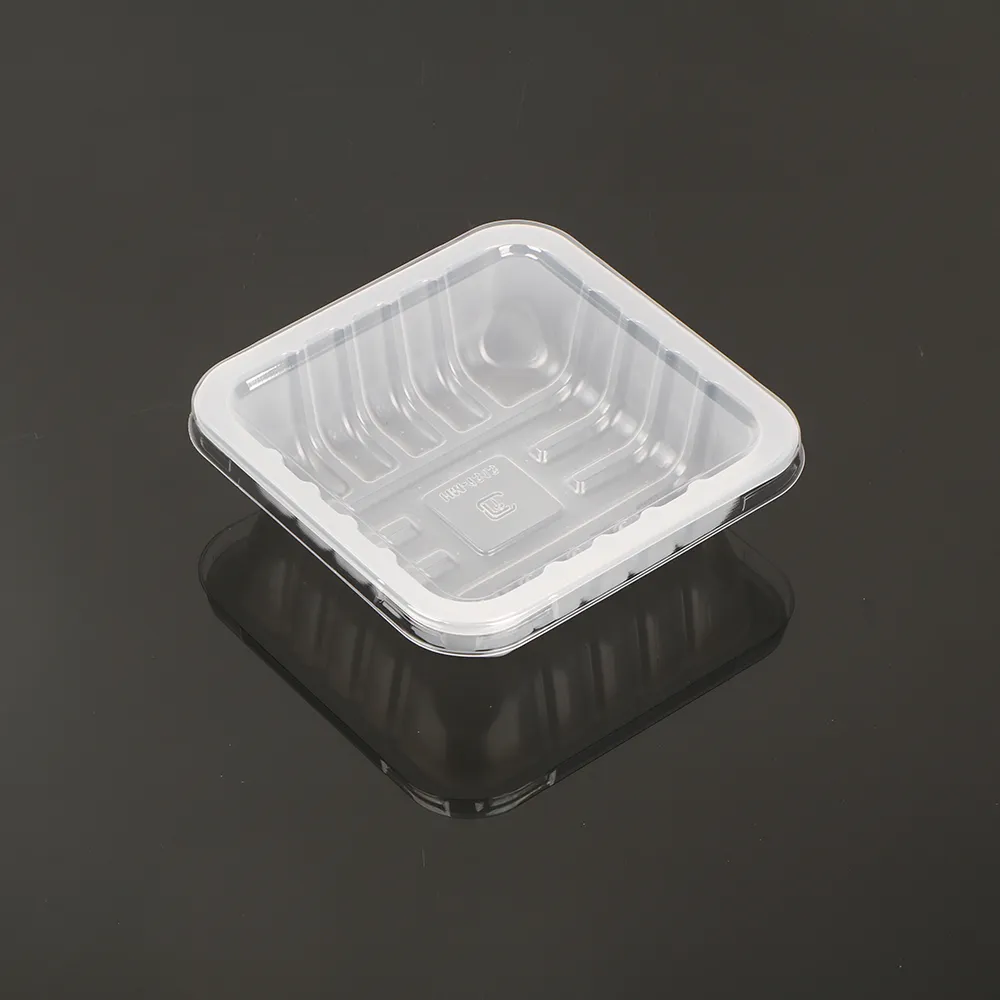
Skin packaging (also known as skin pack) serves as a specialized thermoforming method designed to immobilize industrial, medical, and consumer products against a porous backing substrate using a heated film. Unlike traditional blister packaging, which relies on pre-formed plastic pockets, skin packaging uses the product itself as the vacuum mold.
When executed correctly, this process creates an airtight, tamper-evident barrier that reduces movement-induced damage during transit while presenting a clear 3D profile for retail display.
For a comprehensive overview of industrial packaging equipment, material selection, and high-volume production line integration, visit our
Technical Mechanics of the Vacuum Skin Sealing Process
Achieving a void-free skin pack requires exact synchronization between heating elements, film tensioners, and vacuum draw-down systems.
The Vacuum Sealing Sequence
-
Substrate & Product Placement: The item is loaded onto a specialized porous paperboard or corrugated substrate treated with a heat-activated adhesive.
-
Thermal Softening: The thermoplastic film (PE, Surlyn, or multi-layer barrier film) is held in a clamping frame and passed beneath infrared or Calrod heating platens, softening it to its plastic state (typically 150 degrees C to 200 degrees C).
-
Vacuum Evacuation: As the heated frame lowers over the product, a heavy-duty vacuum pump evacuates trapped air beneath the board via controlled substrate porosity or precision-machined tooling vent channels.
-
Adhesive Fusion Bonding: The vacuum pressure (typically drawing below 0.8 bar) pulls the pliable film tightly around every edge and contour of the product, instantaneously heat-sealing it to the coated card stock.
Data from PMMI (Association for Packaging and Processing Technologies) indicates that switching from manual loading tables to rotary automated skin sealing machines increases throughput by up to 30% while reducing film web scrap.
Substrate and Film Compatibility Matrix
Matching the thermoplastic film type with the correct substrate board porosity is critical to prevent film webbing, air pockets, or adhesive delamination.
| Film Chemistry | Typical Thickness | Compatible Substrates | Key Physical Properties & Industry Applications |
| Polyethylene (PE) | 100–200 microns | Uncoated porous corrugated board, treated paperboard | Economical, general-purpose protection; ideal for hardware, automotive fittings, and heavy fasteners. |
| Surlyn (Ionomer) | 75–150 microns | Solvent-coated clay paperboard, high-porosity board | Superior puncture resistance, glass-like optical clarity, and low melt temperature; preferred for retail tools and consumer items. |
| Multi-Layer Barrier (PE/EVOH/PA) | 150–250 microns | Plastic rigid trays, barrier-coated paperboard | High gas/oxygen barrier performance; used for perishable foods, medical devices, and moisture-sensitive components. |
Using Surlyn ionomer films can reduce overall material thickness requirements by up to 50% compared to traditional PVC blister packs without sacrificing tear resistance or structural pack rigidity.
EEAT Compliance Standards: Industrial and Medical Packaging Verification
To ensure skin-packaged goods pass international freight and sterility mandates, packaging lines must adhere to strict quality-control protocols:
-
ISO 11607 Compliance (Sterile Medical Packaging): For medical devices, skin packaging equipment must validate seal temperature, vacuum dwell times, and seal strength to guarantee sterile barrier integrity.
-
ASTM D4169 Transportation Testing: Evaluates the ability of skin-packaged hardware and electronic assemblies to withstand vibration, drop impact, and environmental compression during global transit.
-
Tamper-Evident Integrity: The uniform adhesive bond between film and board ensures that any attempt to peel or alter the package leaves visible substrate tearing, deterring retail theft.
Implementing these standards prevents product returns—industry data demonstrates an average 15% drop in shipping-related product damage following the transition to properly secured skin packaging setups.
Equipment Selection and Line Integration Checklist
When selecting skin packaging machinery for high-volume manufacturing lines, engineering teams should evaluate the following operational criteria:
-
Vacuum Pump Capacity: Verify that the displacement rate matches cycle time goals—insufficient vacuum speed leads to air pockets under complex geometries.
-
Platen Heating Control: Ensure independent zone temperature regulation to prevent film burn-through or uneven heating across large card areas.
-
Tooling and Venting Layout: Utilize precision-machined aluminum tooling plates with micro-venting to accelerate vacuum drawdown on irregular metal parts.
-
In-line Slitting Modules: Integrate automatic cross-cut and longitudinal slitter units to trim finished master boards into individual shelf-ready units seamlessly.
Explore full-scale industrial skin packaging machinery, vacuum sealing systems, and specialized film-board solutions at