
 EN
EN
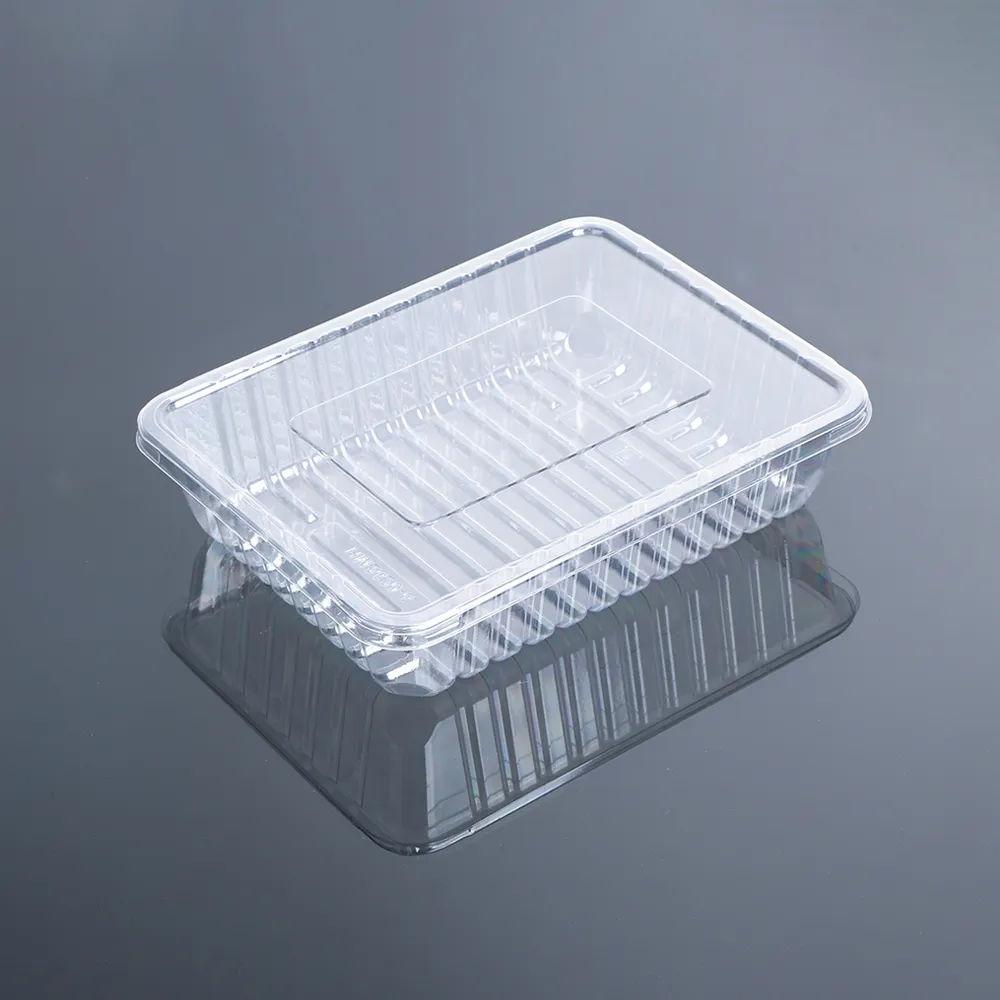
RPET Packaging: Performance, Safety, and Regulatory Readiness for Food Use
Food-Grade Safety and Global Compliance (FDA, EFSA, and FDA Letter of No Objection)
rPET (recycled polyethylene terephthalate) packaging achieves food-grade safety through a rigorously validated decontamination process that removes post-consumer contaminants to levels safe for direct food contact. In the United States, the FDA evaluates each recycling process individually—assessing input stream controls, decontamination efficacy, and migration potential—and issues a Letter of No Objection only when data confirm no harmful substances migrate into food. Over 200 such letters have been granted for recycled PET processes, establishing a robust precedent for regulatory acceptance (FDA, 2023). Similarly, the European Food Safety Authority (EFSA) has issued positive scientific opinions on more than 150 recycling processes, using challenge testing and migration modeling aligned with EU Regulation (EC) No 282/2008. These approvals mean rPET can be used across diverse food applications—from bottled water and sauces to fresh produce trays—as long as the supply chain adheres to the validated process parameters. The dual assurance of FDA and EFSA clearance eliminates historical compliance uncertainty, enabling food brands to specify certified rPET with the same confidence they place in virgin PET.
Thermal Stability and Functional Performance in Hot-Fill, Microwave, and Refrigerated Applications
rPET packaging delivers functional performance equivalent to virgin PET across critical foodservice conditions. Its glass-transition temperature (~71°C / 160°F) supports hot-fill applications without deformation, while its crystalline structure ensures dimensional stability and seal integrity in microwave-safe containers. For refrigerated products, rPET maintains excellent clarity, impact resistance, and low-temperature toughness—key attributes for preserving shelf appeal and withstanding cold-chain handling. Crucially, properly executed recycling preserves polymer chain length and intrinsic barrier properties, ensuring oxygen and moisture transmission rates remain within specifications required for product shelf life. This functional parity means food manufacturers can adopt rPET without reengineering filling lines, extending secondary packaging, or compromising freshness. rPET proves that circular materials need not trade performance for sustainability.
Economic and Operational Advantages of RPET Packaging
Cost Predictability and Supply Chain Resilience vs. Virgin PET Volatility
rPET offers compelling economic advantages over virgin PET, particularly for food businesses operating on tight margins. Virgin PET prices are highly sensitive to crude oil and natural gas markets—experiencing swings exceeding 30% annually (Platts, 2023)—which complicates budgeting and procurement planning. In contrast, rPET pricing is anchored in domestic collection and mechanical recycling infrastructure, delivering greater cost stability. A 2022 Sustainable Packaging Coalition analysis found companies using recycled content reduced packaging material cost variance by an average of 18%, enhancing forecasting accuracy and insulating against sudden price spikes. Building a supply chain around locally sourced rPET also strengthens resilience: it reduces dependence on global resin imports, mitigates exposure to shipping delays, geopolitical risk, and tariffs, and shortens lead times. By integrating rPET, food brands convert a sustainability initiative into a strategic lever for cost control and operational reliability.
Environmental Impact and Circular Economy Alignment
Adopting rPET packaging is a direct, quantifiable step toward environmental stewardship—and a foundational enabler of circular economy principles.
50% Lower Carbon Footprint and Reduced Fossil Resource Dependence
Producing rPET from post-consumer bottles consumes up to 50% less energy and avoids the petroleum extraction and refining required for virgin PET. Life cycle assessments consistently show this translates to approximately 50% lower greenhouse gas emissions per kilogram of resin (Ellen MacArthur Foundation, 2022). That reduction directly lowers Scope 3 upstream emissions and decreases reliance on volatile fossil fuel markets—strengthening supply chain security while supporting science-based decarbonization goals. For food brands, this carbon advantage is both measurable and market-relevant: retailers increasingly require carbon footprint disclosures, and regulators are advancing mandatory environmental labeling frameworks. rPET provides a high-impact, performance-aligned path to meet those expectations.
Enabling Closed-Loop Recycling and Brand Contribution to Plastic Waste Reduction
rPET packaging closes the loop by transforming used beverage bottles into new food-grade containers—designed to be collected, recycled, and reused again. This model diverts plastic from landfills and incineration while reducing leakage into ecosystems. When food brands specify rPET, they create reliable end-market demand for high-quality recyclates—strengthening municipal recycling systems and improving collection economics. It’s active participation in circularity, not aspirational rhetoric. Consumers and retailers increasingly recognize this tangible contribution: each rPET container represents verified post-consumer plastic given a second life. That visibility reinforces brand credibility, builds consumer trust, and positions food businesses as accountable stewards—not just participants—in solving the plastic waste crisis.
Consumer Expectations and Market Differentiation with RPET Packaging
Today’s shoppers are voting with their wallets for sustainability. A 2023 McKinsey global survey found that 66% of consumers consider sustainability in purchasing decisions—and over half are willing to pay a premium for products in eco-friendly packaging. In the food sector, where packaging is often the first physical touchpoint with a brand, rPET delivers immediate, shelf-ready credibility. A clear “made with recycled plastic” claim signals authenticity and responsibility without requiring explanation.
Beyond perception, rPET creates real competitive differentiation. In crowded categories—from dairy to ready-to-eat meals—it helps brands stand out as forward-thinking, values-aligned, and operationally mature. Retailers increasingly prioritize suppliers with verifiable sustainability credentials—many now mandate minimum recycled content or require third-party certifications like SCS Recycled Content or How2Recycle. As regulatory scrutiny intensifies and buyer expectations evolve, adopting rPET is shifting from a marketing differentiator to a strategic necessity—one that secures shelf space, strengthens retail partnerships, and deepens consumer loyalty.
FAQ Section
What is rPET?
rPET stands for recycled polyethylene terephthalate, a sustainable material derived from recycled plastic bottles. It is commonly used for food-grade packaging.
Is rPET packaging safe for food use?
Yes, rPET packaging undergoes rigorous decontamination processes validated by bodies such as the FDA and EFSA to ensure its safety for direct food contact.
Can rPET packaging be used in hot-fill or microwavable applications?
Absolutely. rPET maintains thermal stability and dimensional integrity in hot-fill and microwave-safe conditions, matching the performance of virgin PET.
How does rPET benefit the environment?
Producing rPET significantly reduces energy consumption, carbon emissions, and dependence on fossil fuels compared to virgin PET, while promoting closed-loop recycling systems.
What are the economic advantages of rPET?
rPET offers stable pricing independent of volatile crude oil markets and strengthens supply chain resilience with shorter lead times and reduced import reliance.
Why should food brands use rPET packaging?
Using rPET aligns brands with consumer demand for sustainability, enhances market differentiation, secures retail partnerships, and meets upcoming regulatory requirements.