
 EN
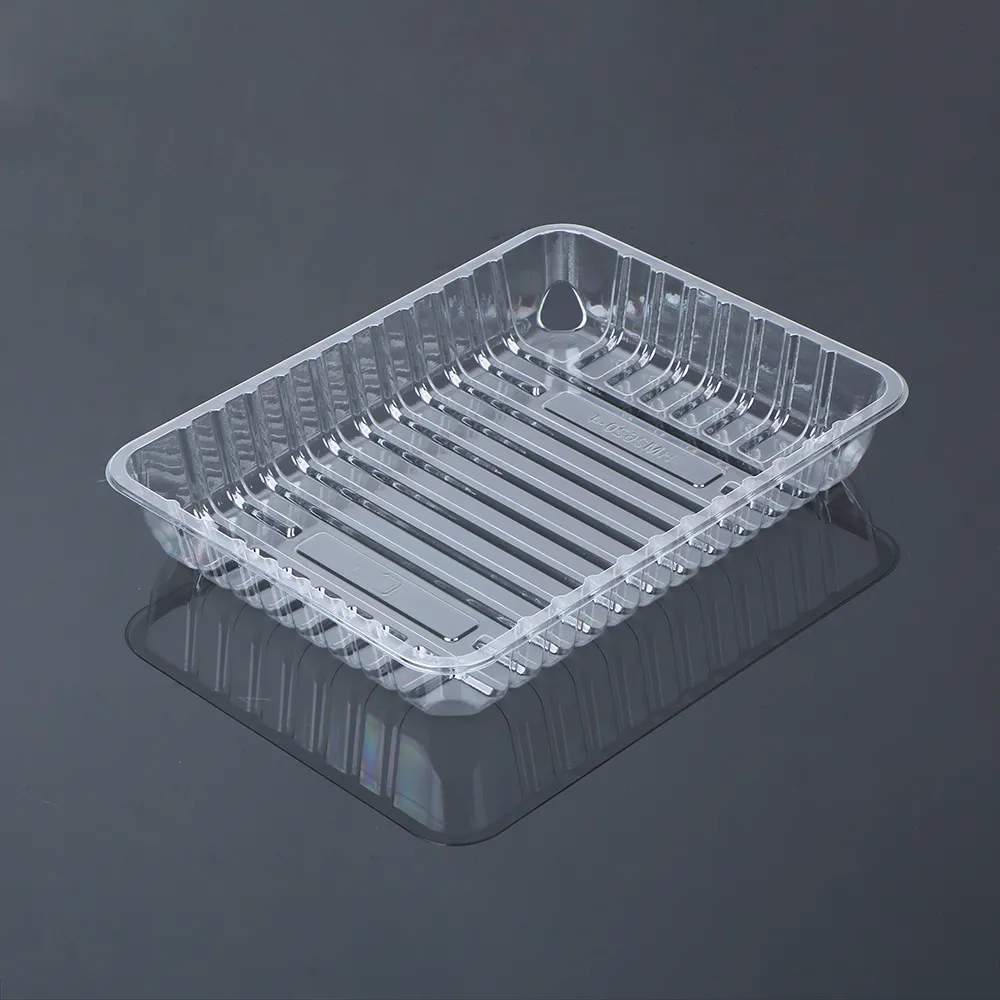
Why PET Tray Container Is Ideal for Food Storage: Barrier Physics and Airtight Seal Integrity
Industrial food packagers, produce packers, and commercial food distributors frequently experience product degradation due to moisture loss, enzymatic browning, and oxygen-induced flavor alteration. While generic packaging options provide basic containment, they often lack the dense molecular resistance required to preserve sensitive perishables across extended retail supply chains.
Polyethylene Terephthalate (PET) tray containers offer high structural stiffness and barrier protection. This technical evaluation analyzes the molecular physics, Oxygen Transmission Rates (OTR), Water Vapor Transmission Rates (WVTR), and airtight seal standards that make PET trays the optimal choice for modern food storage applications.
Molecular Architecture and Barrier Performance Dynamics
PET's exceptional barrier functionality stems from its semi-crystalline polymer matrix. The presence of aromatic rings and ester linkages creates rigid, tightly packed crystalline domains that restrict the diffusion of gases, water vapor, and volatile aromas.
Oxygen and Moisture Permeability Control
Uncontrolled gas exchange degrades food color, flavor, and nutritional value. PET's crystalline structure creates a tortuous path for small molecules, maintaining an Oxygen Transmission Rate (OTR) of approximately 5 cc mil/100 in²/day and a Water Vapor Transmission Rate (WVTR) below 0.5 g/m²/day under ambient storage conditions.
-
PET: Delivers balanced gas and moisture barrier performance, preventing oxygen ingress while trapping natural humidity inside fresh produce or meat packaging.
-
Polypropylene (PP): Provides excellent moisture resistance but higher gas permeability, making unmodified PP less suitable for long-term oxygen-sensitive storage without specialized barrier additives.
-
Polystyrene (PS) & Low-Density Polyethylene (LDPE): Exhibit high gas transmission rates that accelerate food oxidation and shortening retail display windows.
Volatile Aroma Retention
In addition to blocking atmospheric gases, PET retains delicate flavor profiles and natural food aromas inside the tray while preventing external odor contamination. This dual protection preserves the taste and sensory quality of fresh-cut salads, berries, prepared deli items, and cold meats over extended storage periods.
Airtight Seal Integrity and ASTM Testing Compliance
A high-barrier polymer substrate must be paired with continuous flange sealing to maintain freshness across the cold chain. Microscopic gaps at the seal interface compromise the protective internal environment and accelerate spoilage.
ASTM D3078 Leak Detection Standards
To verify package integrity, sealed PET tray systems undergo ASTM D3078 bubble-emission testing. Trays are submerged in water and subjected to vacuum pressure differentials exceeding 15 inHg. Precision-molded PET trays maintain zero continuous bubble emissions, confirming continuous seal lines across complex flange geometries.
Thermoforming Precision and Flange Flatness
Flange deformation under heat or vacuum pressure creates transient leakage paths. At Hengmaster, precision thermoforming machines operate in Class 100,000 cleanrooms to ensure flange surface flatness within strict tolerances. This dimensional stability allows automated top-lidding equipment to apply uniform sealing pressure, securing hermetic seals with pealable or permanent barrier films.
Comparative Material Performance Matrix for Food Storage
The selection of a packaging material directly influences cold chain performance, display clarity, and product shelf life.
| Performance Metric | Polyethylene Terephthalate (PET) | Polypropylene (PP) | Expanded Polystyrene (PS) | Low-Density Polyethylene (LDPE) |
| Moisture Barrier (WVTR) | High (<0.5 g/m²/day) | Very High (<0.5 g/m²/day) | Low (>5.0 g/m²/day) | High (<1.5 g/m²/day) |
| Oxygen Barrier (OTR) | High (~5 cc mil/100 in²/day) | Moderate (~100 cc mil/100 in²/day) | Very Low (>250 cc mil/100 in²/day) | Very Low (>300 cc mil/100 in²/day) |
| Optical Clarity | Exceptional (>90% Light Transmittance) | Translucent / Semi-Clear | Opaque | Semi-Clear |
| Primary Packaging Use | Fresh produce, meat, deli trays | Microwave meals, hot-fill trays | Short-term fast food packaging | Flexible overwraps, pouches |
Regulatory Compliance, Cleanroom Operations, and Sustainability
Ensuring food safety requires full regulatory alignment, controlled processing environments, and closed-loop material recycling strategies.
International Regulatory Standards
PET tray containers comply with FDA 21 CFR 177.1630 and EU Regulation (EU) No 10/2011 for direct food contact. Regular analytical testing verifies overall migration levels remain below strict regulatory thresholds (e.g., 10 mg/dm² under EU standards) using standardized food simulants like 10% ethanol and vegetable oil.
ISO Cleanroom Manufacturing
Manufacturing inside ISO 14644-1 Class 100,000 cleanrooms prevents dust, airborne oils, and foreign particulate contamination during high-speed thermoforming. BRCGS Packaging Certification further guarantees complete material traceability from virgin resin input to final pallet shipment.
Recyclability and rPET Integration
PET remains one of the most widely recycled plastics globally. Modern manufacturing processes support up to 85% post-consumer recycled PET (rPET) content without compromising mechanical strength, optical clarity, or barrier performance. Utilizing rPET reduces carbon emissions and aligns with global circular economy goals for rigid food packaging.
B2B Sourcing Recommendations for Food Packaging Buyers
When selecting PET tray containers for high-volume automated packaging lines, procurement managers should verify three technical parameters:
-
Denesting Precision: Ensure trays incorporate engineered denesting lugs on sidewalls to prevent stacking jams on high-speed filling machinery.
-
Anti-Fog Coating Consistency: Request food-grade anti-fog surface treatments for chilled display applications to eliminate internal condensation and maintain clear product visibility.
-
Flange Compatibility: Confirm that flange width and material formulations match automated heat-sealing or skin-packaging machinery specifications.
For detailed technical specifications, custom mold engineering, and bulk supply details on food-grade packaging solutions, explore our certified
Table of Contents
- Why PET Tray Container Is Ideal for Food Storage: Barrier Physics and Airtight Seal Integrity
- Molecular Architecture and Barrier Performance Dynamics
- Airtight Seal Integrity and ASTM Testing Compliance
- Comparative Material Performance Matrix for Food Storage
- Regulatory Compliance, Cleanroom Operations, and Sustainability
- B2B Sourcing Recommendations for Food Packaging Buyers