 EN
EN
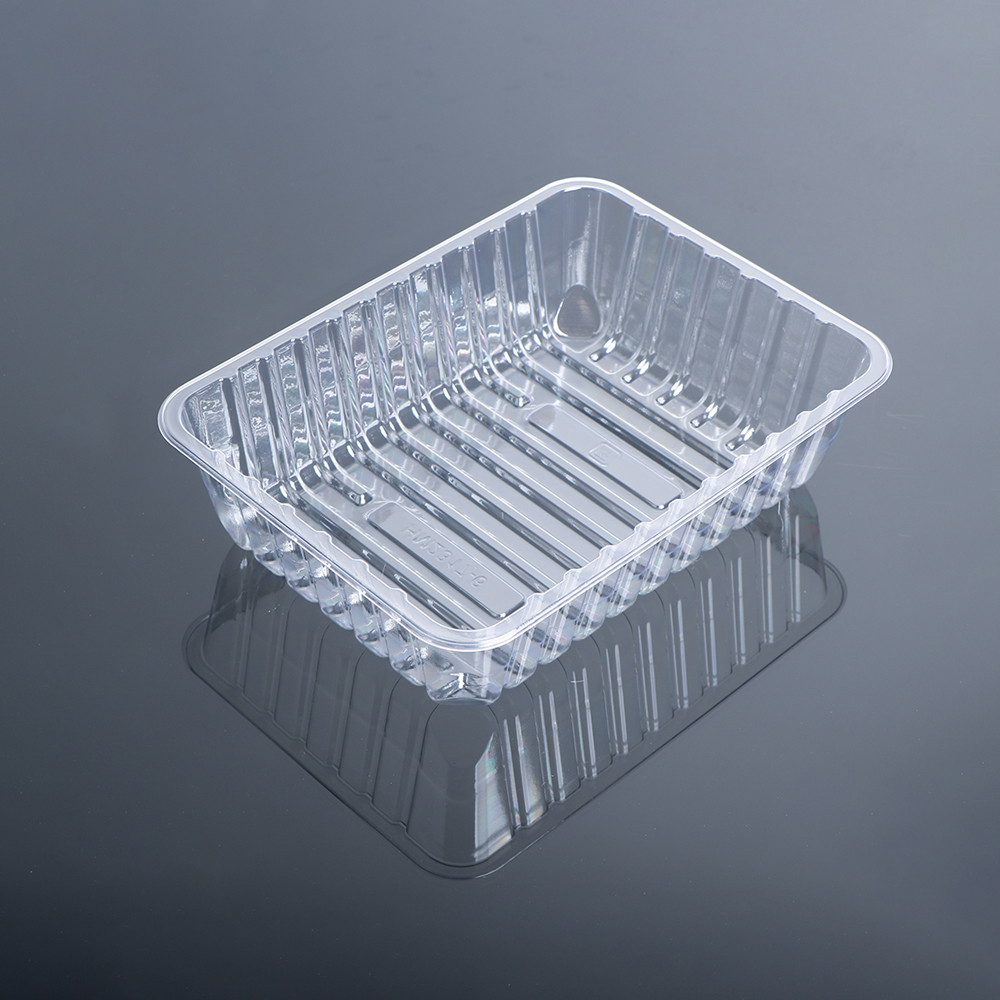
ထိန်းချုပ်ထားသော လေထုဖြင့် MAP ကုန်ပစ္စည်းများ၏ သက်တမ်းကို မည်သို့ ရှည်လျားစေသနည်း
ပြောင်းလဲသော လေထု ထုပ်ပိုးမှု (MAP) သည် ပိတ်ထားသော ကုန်ပစ္စည်းအတွင်းရှိ ပတ်ဝန်းကျင်လေထုကို တိကျသော ဂါစ်ရောစပ်မှုများဖြင့် အစားထိုးခြင်းပေါ်တွင် အခြေခံပါသည်။ အောက်ဆီဂျင်ပမာဏကို လျှော့ချခြင်းနှင့် ကာဗွန်ဒိုင်အောက်ဆိုဒ် သို့မဟုတ် နိုက်ထရိုဂျင်ပမာဏကို မြှင့်တင်ခြင်းဖြင့် MAP သည် အစားအစာများကို ပျက်စီးစေသည့် ဇီဝဖုံးနေမှုနှင့် ဓာတုဖုံးနေမှုများကို အလွန်အမင်း နှေးကွေးစေပါသည်။ ဤထိန်းချုပ်ထားသော လေထုသည် အသစ်သော ဟင်းသီးဟင်းရွက်များ၏ အသက်ရှူမှုနှုန်းကို လျော့နည်းစေပါသည်၊ မိုက်ခရိုဘိုင်ယောလ် ကြီးထွားမှုကို တားဆီးပါသည်နှင့် အောက်ဆီဒေးရှင်းဖြစ်စေသည့် ပျက်စီးမှုကို အနည်းဆုံးဖြစ်အောင် လုပ်ပါသည်— အစားအစာ အတိုးအမှုန်များ မလိုအပ်ပါ။
အသက်ရှူမှုနှုန်း ထိန်းချုပ်ခြင်းနှင့် အမျှခေါ် ပြောင်းလဲသော လေထု (EMA)
သီးနှံများကို အသီးအနှံခုတ်ယူပြီးနောက် အသက်ရှုလုပ်ဆောင်မှုကို ဆက်လက်လုပ်ဆောင်ပါသည်။ ထိုအတွင်း အောက်စီဂျင်ကို စားသုံးပြီး ကာဗွန်ဒိုင်အောက်ဆိုဒ်နှင့် အက်သီလင်ကို ထုတ်လွှတ်ပါသည်။ ကောင်းမွန်စွာ ဒီဇိုင်းထုတ်ထားသော MAP အိုင်းအိုင်း (Modified Atmosphere Packaging) အိုင်းအိုင်းသည် ဤဖြစ်စဉ်ကို ထိန်းညှိပေးပါသည်။ ထိုသို့သော အိုင်းအိုင်းတွင် အိုင်းအိုင်းဖ်လင်မ်၏ ပေါက်ဝင်နိုင်မှုနှင့် အစပိုင်း ဓာတ်ငွေသွေးများ၏ ရောစပ်မှုကို ညှိနေသောကြောင့် အောက်စီဂျင်သည် အနိမ့်အဆင့်တွင် ဖြေးဖြေးချင်း တည်ငြိမ်မှုရှိလာပြီး ကာဗွန်ဒိုင်အောက်ဆိုဒ်သည် ပိုမိုထိရောက်စေရန် စုပုံလာပါသည်။ ဥပမါ- EMA-အိုင်းအိုင်း အိုင်းအိုင်းဖ်လင်မ်ဖြင့် သိမ်းဆောင်ထားသော ဘယ်ရီသီးများတွင် အသက်ရှုနှုန်းသည် ၄၀–၆၀% အထိ လျော့နည်းပါသည်။ ထိုကြောင့် အသက်ရှုနှုန်းနေးကြောင့် အသက်ရှုနှုန်းနေးခြင်းနှင့် အသီးအနှံများ၏ မာကျောမှုကို ထိန်းသိမ်းပေးပါသည်။ ထိုတည်ငြိမ်မှုသည် အလွန်အရေးကြီးပါသည်။ အောက်စီဂျင် အလွန်နည်းပါက အနားရှုနှုန်းဖြစ်စေပြီး အောက်စီဂျင် အလွန်များပါက ပိုမိုမြန်မြန် ပျက်စီးစေပါသည်။ ထို့ကြောင့် ထုတ်ကုန်တစ်ခုချင်းစီ၏ ဇီဝကမ္မဖြစ်စဥ် အားဖြင့် ပိုမိုရှည်လျော်ပြီး ခန့်မှန်းနိုင်သော သိုလှောင်နိုင်သည့် ကာလကို ရရှိပါသည်။
သိုလှောင်နိုင်သည့် ကာလကို တိက်တိက်ကြောင်း တိုးချဲ့ခြင်း- အသား၊ သီးနှံများနှင့် ပင်လ်ယ်ရေသီးနှံများအတွက် အထောက်အထားများ
MAP မှ ရရှိသည့် သိုလှောင်နိုင်သည့် ကာလအကျိုးကျေးဇူးများသည် အလွန်များပြားပြီး အများအားဖြင့် အများစုသော အမျိုးအစားများတွင် ကောင်းစွာ မှတ်တမ်းတင်ထားပါသည်။ အောက်ဆီဂျင်ပါဝင်မှုများသည့် MAP (အောက်ဆီဂျင် ၇၀–၈၀%၊ ကာဗွန်ဒိုင်အောက်ဆိုက်ဒ် ၂၀–၃၀%) တွင် ထုတ်လုပ်ထားသည့် အသုံးပြုရန် အသင်းဖြစ်သည့် အနီရောင် အသားများသည် ပုံမှန်ထုပ်ပိုးမှုများထက် ၅–၇ ရက်ကြာအောင် အနီရောင်အသေးစိတ်နှင့် စိမ်းလန်းမှုကို ထိန်းသိမ်းနိုင်ပါသည်— ယင်းသို့ဖြင့် စုစုပေါင်း ခေါင်းလောင်းအောက်တွင် သိုလှောင်နိုင်သည့် ကာလကို ၁၂–၁၇ ရက်အထိ တိုးချဲ့ပေးနိုင်ပါသည်။ CO₂ ပါဝင်မှုများသည့် MAP (CO₂ ၇၀%၊ N₂ ၃၀%) တွင် ထုတ်လုပ်ထားသည့် ကြက်သားများသည် ခေါင်းလောင်းအောက်တွင် ၁၄–၂၁ ရက်ကြာအောင် သိုလှောင်နိုင်ပါသည်။ သို့သော် လေထဲတွင် သိုလှောင်ပါက ၁–၂ ရက်သာ သိုလှောင်နိုင်ပါသည်။ အောက်ဆီဂျင်ပါဝင်မှုနည်းသည့် MAP (O₂ ၁–၃%၊ CO₂ ၅–၁၀%၊ ကျန်သည်များမှာ N₂) တွင် ထုတ်လုပ်ထားသည့် လက်တ်တုတ်အမျှင်များသည် ၁၂–၁၅ ရက်ကြာအောင် ချောမွေ့မှုနှင့် မျက်စိဖြင့် ကြည့်ရှုရာတွင် အရည်အသွေးကို ထိန်းသိမ်းနိုင်ပါသည်— သို့သော် ပုံမှန်လေထဲတွင် သိုလှောင်ပါက ၃–၅ ရက်သာ သိုလှောင်နိုင်ပါသည်။ ဤရလဒ်များသည် MAP အောက်ဆီဂျင်ထုပ်ပိုးမှု ပုံသောင်းများ၏ အပ်စ်မှုနှင့် အတားအဆီးဖြစ်စေသည့် စွမ်းရည်များသည် အမျိုးအစားအလိုက် အသုံးပြုရန် အထူးသေးစိတ် ပုံစံဖြင့် ပျက်စီးမှုကို ထိန်းသိမ်းပေးနိုင်ကြောင်းကို ဖော်ပြပါသည်။
MAP ပုံသောင်းများသည် အာရုံခံနှင့် ရုပ်ပိုင်းဆိုင်ရာ အရည်အသွေးကို မည်သို့ထိန်းသိမ်းပေးသနည်း
မိုင်ယိုဂလိုဘင် တည်ငြိမ်မှုကို ထိန်းသိမ်းခြင်းဖြင့် အသား၏ အနီရောင်ကို ထိန်းသိမ်းရန် အောက်ဆီဂျင်ကို စီမံခန့်ခွဲခြင်း
MAP ပုံသဏ္ဍာန်သည် မီးအား အနက်ရောင်မှ စိမ်းလန်းသော အနီရောင်ဖြစ်စေသည့် မီးအား၏ အရောင်ဖော်ပေးသည့် ပရိုတိန်း (myoglobin) ကို အောက်ဆီဂျင်အဆင့်အတန်းများကို တိကျစွာ ထိန်းညှိခြင်းဖြင့် တည်ငြိမ်စေပါသည်။ အောက်ဆီဂျင်ပါဝင်မှုများသည့် ပတ်ဝန်းကျင် (ပုံမှန်အားဖြင့် အောက်ဆီဂျင် ၇၀–၈၀% ရှိသည့်နေရာ) တွင် myoglobin သည် အောက်ဆီဂျင်နှင့် ချိတ်ဆက်ပြီး အနီရောင်သန့်စင်သော oxymyoglobin ကို ဖွဲ့စည်းပေးကာ စားသုံးသူများအတွက် မီးအား၏ မျက်စိဖြင့် မြင်ရသည့် စိမ်းလန်းမှုကို ထိန်းသိမ်းပေးပါသည်။ အောက်ဆီဂျင်ပါဝင်မှုနည်းသည့် ပတ်ဝန်းကျင်တွင်မူ metmyoglobin အဖြစ် အောက်ဆီဂျင်ဖော်ပေးခြင်းကြောင့် အနက်ရောင်ဖြစ်လာပြီး မီးအား ပျက်စီးလာကြောင်း အမှတ်အသားပေးပါသည်။ အောက်ဆီဂျင်ပါဝင်မှုကို အကောင်းဆုံးအဆင့်တွင် ထိန်းသိမ်းခြင်းဖြင့် MAP သည် မီးအား၏ ဆွဲဆောင်မှုရှိသည့် အနီရောင်ကို အချိန်ကြာမှုအထိ ထိန်းသိမ်းပေးပါသည်။ ထို့အပါအဝင် အောက်ဆီဂျင်ပါဝင်သည့် ပျက်စီးမှုဖြစ်စေသည့် ဘက်တီးရီးယားများကိုလည်း နှိပ်မှုပေးပါသည်။ ထို့အပါအဝင် မီးအား၏ မျက်နှာပြင်မှ ရေပါဝင်မှု လျော့နည်းခြင်းနှင့် အသွင်အပြင်ပျက်စီးခြင်းကိုလည်း ကာကွယ်ပေးပါသည်။ ထို့ကြောင့် ဖြန့်ဖြူးရေး လုပ်ငန်းတစ်လျှောက် မီးအားသည် အရသာရှိမှုနှင့် မာကျောမှုကို ထိန်းသိမ်းနိုင်ပါသည်။ ဤနှစ်မျှော်လင်းသည့် ဓာတ်ငွေသုံး ပတ်ဝန်းကျင်သည် အနုပညာဆေးများ မသုံးဘဲ မီးအား၏ မျက်စိဖြင့် မြင်ရသည့် ဆွဲဆောင်မှုနှင့် ရုပ်ပိုင်းဆိုင်ရာ အားကောင်းမှုကို ကာကွယ်ပေးပါသည်။
MAP ပုံး၏ အရေးကြီးသော ပျက်စီးမှုဖြစ်စေသည့် စက်မှုလုပ်ငန်းများကို တားဆီးခြင်း
CO₂ ဖြင့် ပိုးမွှားများ၏ ကြီးထွားမှုကို တားဆီးခြင်းနှင့် pH အခြေပြု အကောင်းမွန်မှု
ကာဗွန်ဒိုင်အောက်ဆိုဒ် (CO₂) သည် MAP ပုံးများတွင် အဓိက မိုက်ခရိုဘိုင်ယောလ် တားဆီးရေး အေဂျင့်အဖြစ် အသုံးပြုသည်။ မျက်နှာပုံပေါ်ရှိ ရေစိုနေမှုထဲသို့ ပေါ်လောင်းသောအခါ CO₂ သည် ကာဗွနစ်အက်ဆစ်ကို ဖွဲ့စည်းပြီး pH ကို လျော့ကျစေကာ ပိုမိုမှုန်းနေသော မိုက်ခရိုအော်ဂဲနစ်များ—အထူးသဖြင့် ပူဒိုမွနပ်စ် —အစားအစာများတွင် ပရိုတင်းများ ပါဝင်မှုများသော အစားအစာများတွင် အဓိက မှုန်းစေသော မိုက်ခရိုအော်ဂဲနစ်ဖြစ်သည်။ ထိရောက်သော CO₂ ပါဝင်မှုပုံစံများသည် အများအားဖြင့် ၂၀% မှ ၁၀၀% အထိ ရှိပြီး ပိုမိုမြင့်မားသော ပါဝင်မှုများသည် ပိုမိုအားကောင်းစွာ မှုန်းမှုကို တားဆီးပေးသည်။ အစားအစာအမျိုးအစားပေါ် မူတည်၍ ထိရောက်မှုသည် ကွဲပြားသည်။ အထူးသဖြင့် pH ကို ထိန်းညှိပေးနိုင်မှုနှင့် ရေလုံ့လုံ့လုံ့လုံ့လုံ့လုံ့လုံ့လုံ့လုံ့လုံ့လုံ့လုံ့လုံ့လုံ့လုံ့လုံ့လုံ့လုံ့လုံ့လုံ့လုံ့လုံ့လုံ့လုံ့လုံ့လုံ့လုံ့လုံ့လုံ့လုံ့လုံ့လုံ့လုံ့လုံ့လုံ့လုံ့လုံ့လုံ့လုံ့လုံ့လုံ့လုံ့လုံ့လုံ့လုံ့လုံ့လုံ့လုံ့လုံ့လုံ့လုံ့လုံ့လုံ့လုံ့လုံ့လုံ့လုံ့လုံ့လုံ့လုံ့လုံ့လုံ့လုံ့လုံ့လုံ့လုံ့လုံ့လုံ့လုံ့လုံ့လုံ့လုံ့လု......
အဆီအောက်ဆိုဒေးရှင်းနှင့် အင်ဇိုင်းများဖြင့် ဖျက်ဆီးခြင်းကို တားဆီးရန် အောက်ဆီဂံ (O₂) ပါဝင်မှုကို လျော့ချခြင်း
MAP အိုးတွေဟာ အဆီနဲ့ ဆီတွေမှာ အောက်ဆီဂျင်ဓာတ်တွေ မတိုးပွားစေဖို့ အောက်ဆီဂျင်ဓာတ်ကို နည်းဗျူဟာအရ လျှော့ချပေးပါတယ်။ အုန်းသီးနဲ့ ချက်ပြုတ်ထားတဲ့ အသားလို အလွန်အာရုံခံတဲ့ ထုတ်ကုန်တွေအတွက် O2 ပမာဏကို ၁% အောက်ကို လျှော့ချပေးပြီး မပြည့်ဝတဲ့ အဆီအက်ဆစ်တွေနဲ့ အောက်ဆီဂျင် ရစ်ဒက်ကယ်တွေ ဓာတ်ပြုတဲ့ autoxidation chain reaction ကို နှေးစေပါတယ်။ တစ်ချိန်တည်းမှာ O2 နည်းတဲ့ ပတ်ဝန်းကျင်တွေက အပင်တစ်ရှူးတွေထဲက lipoxygenase လို အောက်ဆီဒိတ် အင်ဇိုင်းတွေကို တားဆီးပေးပြီး ထုတ်ကုန်တွေမှာ အရောင်နဲ့ အသားအရောင်ကို ထိန်းသိမ်းပေးပါတယ်။ အထူးသဖြင့် အနီရောင် အသားသည် ခြွင်းချက်တစ်ခုဖြစ်သည်- MAP အိုးများတွင် myoglobin အောက်ဆီဂျင်ဓာတ်များနှင့် bloom ဖွံ့ဖြိုးမှုကို ထောက်ပံ့ရန်အတွက် O2 ၄၀% ၈၀% ကို ထိန်းသိမ်းထားပြီး CO2 ၏ ဖြည့်စွက်လုပ်ဆောင်မှုက လေဓာတ်ငွေ့ဓာတ်မပါတဲ့ ဘက်တီး ဒီချိန်ညှိထားတဲ့ နှစ်မျိုးသုံး ဓာတ်ငွေ့နည်းဗျူဟာဟာ အာရုံခံ အရည်အသွေးတွေကို ထိခိုက်စေခြင်းမရှိပဲ အသီးတွေမှာ အင်ဇိုင်းဓာတ်အရောင်ညိုခြင်းနဲ့ နို့ထွက်ပစ္စည်းတွေမှာ အဆီဓာတ်ဓာတ်ခွဲမှုကို ဖြေရှင်းပါတယ်။
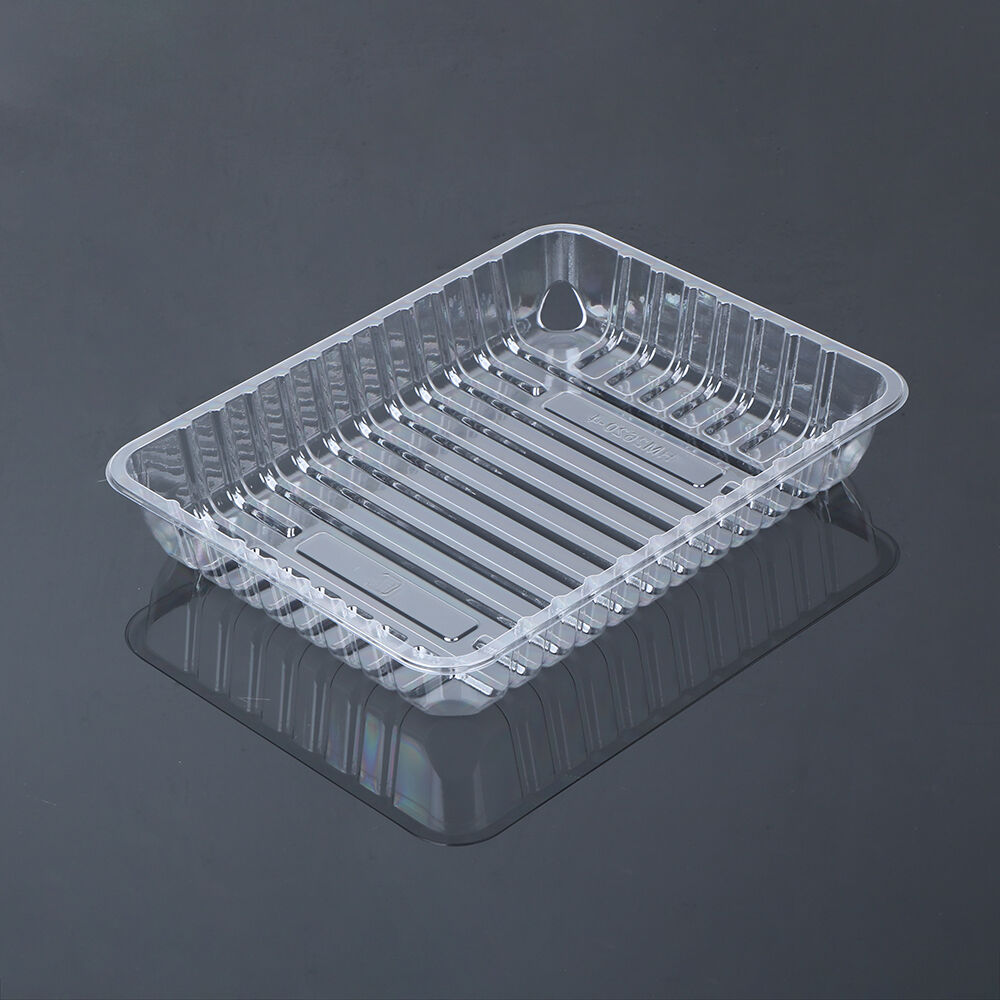
MAP Container Gas Formulations များကို အစားအစာ အမျိုးအစားအလိုက် Optimized လုပ်နည်း
စံသတ်မှတ်ထားသော ဂက်စ်ရောစပ်မှုဖြင့် အစားအစာအားလုံးကို တန်းတန်းတူ ကာကွယ်ပေးနိုင်ခြင်းမရှိပါ။ အသားစိမ်းနှင့် စတော်ဘယ်ရီများ၏ ဇီဝကမ္မဖြစ်စဉ်နှင့် ဓာတုဖြစ်စဉ်များတွင် ကွဲပြားမှုများရှိသောကြောင့် အသီးသီးကွဲပြားသော ပုံစံများဖြင့် ညှိပေးရန် လိုအပ်ပါသည်။
အနီရောင်အသား၊ ငှက်သား၊ ပင်လယ်စာ၊ သစ်သီးများနှင့် ဟင်းသီးဟင်းရွက်များအတွက် အထူးပြုထားသော O₂/CO₂/N₂ ရှိသော အချိုးအစားများ
MAP ပုံးထဲတွင် ထည့်သွင်းထားသော အစားအစာပေါ်မ depend လျော်ပြီး ဂက်စ်အချိုးအစားများကို သိသိသာသာ ပြောင်းလဲပေးရန် လိုအပ်ပါသည်။ အနီရောင်အသားများအတွက် မိုင်ယိုဂလိုဘင်း တည်ငြိမ်မှုကို ထောက်ပံ့ပေးရန်အတွက် အနီရောင်အသား၏ အရောင်ကို ထိန်းသိမ်းပေးရန် အောက်ဆီဂျင်ပါဝင်မှုများသော ရောစပ်မှု (O₂ ၇၀–၈၀% + CO₂ ၂၀–၃၀%) ကို အသုံးပြုရပါမည်။ သို့သော် အောက်ဆီဂျင်မပါသော အခြေအနေ (O₂ ၀%) တွင် CO₂ ပါဝင်မှုများသော (CO₂ ၂၅–၆၀%) ရောစပ်မှုကို ငှက်သားနှင့် သစ်သီးများအတွက် အကောင်းဆုံးအဖြစ် အသုံးပြုရပါမည်။ ထိုသို့သော ရောစပ်မှုများသည် အဆီအိုက်ဆိုက်ဒေးရှင်းကို ကာကွယ်ပေးပြီး Photobacterium ကဲ့သို့သော ပိုးမွှားများကို အတားအဆီးဖြစ်စေပါသည်။ ပူဒိုမွနပ်စ် နှင့် Photobacterium သစ်သီးများနှင့် ဟင်းသီးဟင်းရွက်များအတွက် အသုံးပြုရန် အထူးသော ရောစပ်မှုများလိုအပ်ပါသည်။ အောက်ဆီဂျင်ပါဝင်မှုနည်းပါးသော (O₂ ၃–၁၀%) နှင့် CO₂ ပါဝင်မှု အလယ်အလတ် (CO₂ ၅–၁၅%) ရှိသော ရောစပ်မှုများကို အသုံးပြုရပါမည်။ ထိုသို့သော ရောစပ်မှုများသည် အသက်ရှူခြင်းကို နှေးကွေးစေပြီး အနားရှူခြင်းဖြစ်စဉ် (anaerobic fermentation) ကို မဖြစ်ပေါ်စေဘဲ အထူးသဖြင့် အသားအိုးများ၏ ဖွဲ့စည်းပုံကို မပျက်စီးစေရန် အတွက် အသုံးပြုရပါမည်။
MAP ပုံးသည် ပုံမှန်အထုပ်ပို့မှုနှင့် နှိုင်းယှဉ်လျော်ပါက ပိုမိုကောင်းမွန်သော လုံခြုံရေးနှင့် အရည်အသွေးကို ပေးစေသည့် အကြောင်းရင်း
ရိုးရိုးအော်ပန်းချီမှုသည် အစားအစာများကို ပတ်ဝန်းကျင်လေထုထဲသို့ ထုတ်ဖော်ပေးပါသည်။ ထိုသို့ဖော်ပေးခြင်းက မိုက်ခရိုဘီယောလော်ဂီကယ် အပေါ်မှုမှုများ၊ အောက်ဆီကိရ်စ်ရှင်မှုများနှင့် စိုထုံးဆုံးရှုံးမှုများကို မြန်ဆန်စေပါသည်။ ထိုနှင့်မတူဘဲ MAP အော်ပန်းချီမှုသည် ထိုလေထုကို ထုတ်ကုန်၏ ဇီဝကြွေးနောက်ခံလိုအပ်ချက်များနှင့် ကိုက်ညီသည့် အတိအကျထိန်းချုပ်ထားသည့် ဓာတ်ငွေသုံးမှုဖြင့် အစားထိုးပါသည်။ ဤအသက်ရှင်နေသည့် လေထုသည် ပိုးမွှားများကို အလွန်ထိရောက်စွာ ဟန့်တားပေးပါသည်။ Listeria monocytogenes နှင့် ဆယ်မန်နဲလာ အစားအစာမှတစ်ဆင့် ဖြစ်ပွားသည့် ရောဂါများကို စံနှုန်းအော်ပန်းချီမှုထက် ပိုမိုထိရောက်စွာ လျော့နည်းစေပါသည်။ ထို့အပေါ်တွင် ဓာတ်ငွေပတ်ဝန်းကျင်ကို အကောင်းဆုံးဖော်ထုတ်ခြင်းဖြင့် အရောင်၊ အသေးစိတ်ဖွဲ့စည်းပုံနှင့် အရသာကို ထိန်းသိမ်းပေးပါသည်။ ထိုသို့ဖော်ထုတ်ခြင်းက အာရှုစ်အရသာအရည်အသွေးကို တစ်ခုတည်းသော အရည်အသွေးဖြင့် ထောက်ပံ့ပေးပါသည်။ အအေးခေါ်ခြင်း—သည် ဆဲလ်များ၏ ဖွဲ့စည်းပုံများကို ပျက်စီးစေနိုင်ခြင်း—သို့မဟုတ် ဗက်ကျူမ်အော်ပန်းချီမှု—သည် အလွန်ပေါ့ပါးသည့် အရာများကို ဖိစီးနိုင်ခြင်း—နှင့် မတူဘဲ MAP အော်ပန်းချီမှုသည် သဘောသော ပုံပန်းသဏ္ဍာန်နှင့် ဖွဲ့စည်းပုံအား ထိန်းသိမ်းပေးပါသည်။ သက်တမ်းကြာရှည်ခြင်းသည် ဓာတုအော်ပန်းချီမှုများအပေါ် မှီခိုမှုကို လျော့နည်းစေပါသည်။ ထိုသို့ဖော်ထုတ်ခြင်းက သန့်စင်သည့် အမှတ်အသားများ (clean-label) အတွက် အထောက်အပံ့ဖေးမေးပေးပါသည်။ ထို့အပေါ်တွင် ယင်းအော်ပန်းချီမှုသည် စီမံခန်းအရ အကောင်းဆုံးဖြန့်ဖြူးရေး အကွာအဝေးကို တိုးချဲ့ပေးပါသည်။ ဤအကျေးဇူးများအားလုံးသည် MAP အော်ပန်းချီမှုကို အစားအစာ ဘေးကင်းရေး၊ အရည်အသွေးနှင့် ရေရှည်တည်တံ့မှုတွင် အကောင်းဆုံးဖြေရှင်းနည်းအဖြစ် တင်ပေးပါသည်။
အကြောင်းအရာများ
- ထိန်းချုပ်ထားသော လေထုဖြင့် MAP ကုန်ပစ္စည်းများ၏ သက်တမ်းကို မည်သို့ ရှည်လျားစေသနည်း
- MAP ပုံသောင်းများသည် အာရုံခံနှင့် ရုပ်ပိုင်းဆိုင်ရာ အရည်အသွေးကို မည်သို့ထိန်းသိမ်းပေးသနည်း
- MAP ပုံး၏ အရေးကြီးသော ပျက်စီးမှုဖြစ်စေသည့် စက်မှုလုပ်ငန်းများကို တားဆီးခြင်း
- MAP Container Gas Formulations များကို အစားအစာ အမျိုးအစားအလိုက် Optimized လုပ်နည်း
- MAP ပုံးသည် ပုံမှန်အထုပ်ပို့မှုနှင့် နှိုင်းယှဉ်လျော်ပါက ပိုမိုကောင်းမွန်သော လုံခြုံရေးနှင့် အရည်အသွေးကို ပေးစေသည့် အကြောင်းရင်း