
 EN
EN
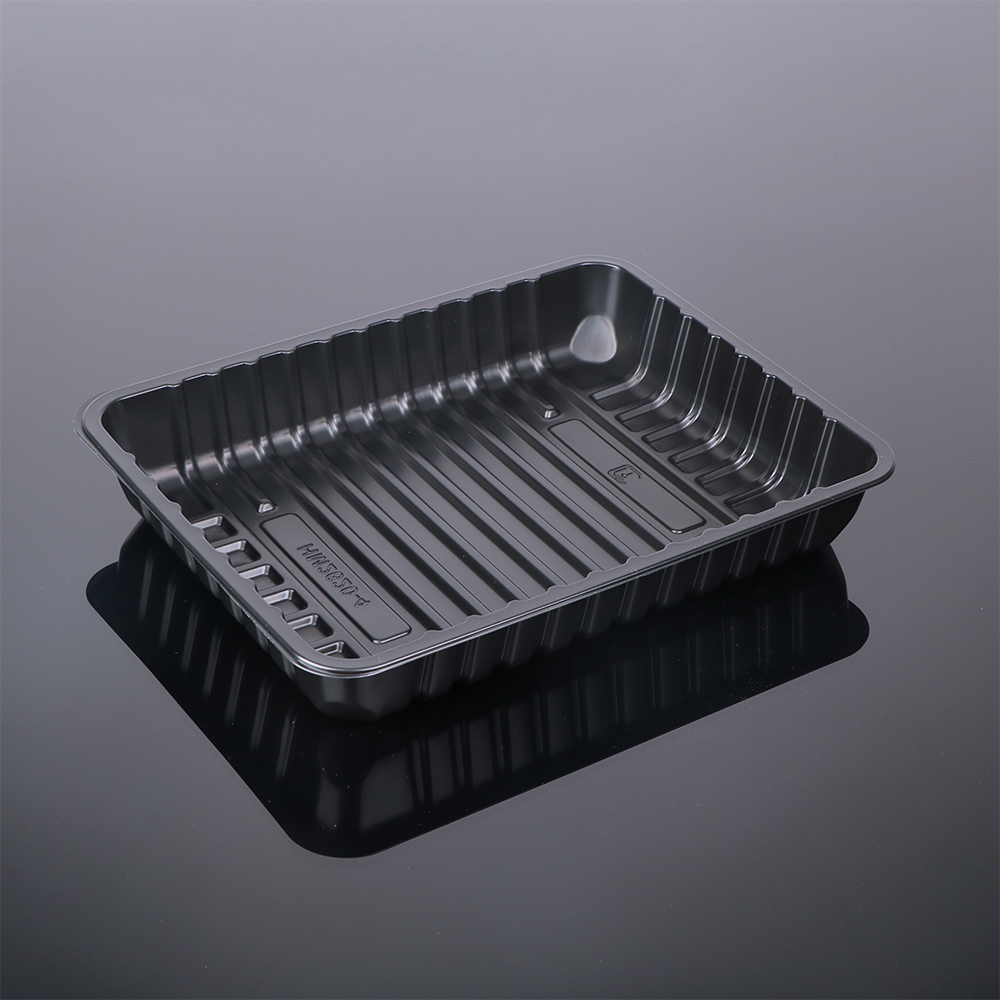
MAP Container: Definition, Core Mechanism, and Industry Context
A MAP (Modified Atmosphere Packaging) container is a specialized packaging system that actively modifies the internal gas composition surrounding perishable products to extend freshness. Unlike passive packaging, MAP containers replace ambient air with a precisely engineered gas mixture—typically nitrogen (N₂), carbon dioxide (CO₂), and controlled oxygen (O₂)—tailored to inhibit specific spoilage pathways. The core mechanism involves three critical phases: initial atmosphere evacuation, gas flushing with the optimized blend, and hermetic sealing to maintain the modified environment.
This technology disrupts biological degradation by simultaneously suppressing microbial proliferation, enzymatic reactions, and oxidative rancidity. Within the food industry, MAP containers enable supply chain resilience for highly perishable categories like fresh meats, dairy, leafy greens, and ready-to-eat meals. By extending shelf life by 50–400% compared to conventional packaging, MAP systems reduce waste by up to 30% annually while supporting global distribution of temperature-sensitive goods. Their adoption spans retail, food service, and agricultural sectors—addressing consumer demand for minimally processed foods without synthetic preservatives.
How MAP Containers Control Atmosphere: Gases, Ratios, and Sealing Technology
MAP containers preserve food by replacing ambient air inside the package with a precise gas mixture immediately before sealing. This modified atmosphere directly targets spoilage mechanisms like microbial growth and oxidation, slowing decay at the microscopic level. The gas composition—tailored to each food type—is the critical lever for extending freshness while maintaining product quality and appearance.
Functional roles of O₂, CO₂, and N₂ in shelf-life optimization
Each gas in a MAP container’s atmosphere serves a distinct preservation function:
- Carbon dioxide (CO₂): Inhibits bacterial and fungal growth by dissolving into cell membranes and disrupting metabolism. Optimal levels vary by product—typically 20–80% for meats versus <20% for produce.
- Oxygen (O₂): Minimized (often <1%) to prevent lipid oxidation and color changes in meats and nuts, but maintained at 3–8% for red meat to retain myoglobin’s red hue and in leafy greens to sustain respiration.
- Nitrogen (N₂): An inert filler gas that displaces oxygen to prevent package collapse, maintains headspace volume, and stabilizes gas ratios over time without chemical interaction.
Gas flushing, vacuum-assisted replacement, and hermetic sealing methods
Achieving the target atmosphere requires precise gas introduction and reliable sealing. Gas flushing injects the desired mixture directly into the package at high flow rates, displacing ambient air before sealing. Vacuum-assisted replacement first removes existing air via suction, then backfills with the gas blend—ensuring lower residual oxygen levels, which is critical for oxygen-sensitive items like nuts or fried snacks. Finally, hermetic sealing using high-barrier films locks the atmosphere inside. Advanced sealants and multi-layer films with low oxygen transmission rates (OTR <1 cc/m²/day) prevent gas exchange, maintaining the protective environment throughout distribution and retail display.
The Impact of MAP Containers on Food Preservation and Shelf Life Extension
A MAP container extends product freshness by actively controlling the internal gas mixture. This precision environment slows spoilage, reduces waste, and maintains sensory quality without relying on artificial preservatives.
Inhibiting microbial growth, oxidation, and enzymatic degradation
By replacing air with a tailored blend of gases, a MAP container starves aerobic bacteria and molds. Low oxygen levels suppress oxidative rancidity in fats and oils, while elevated carbon dioxide penetrates microbial cells to inhibit reproduction. Enzymatic browning in fruits and vegetables also decelerates because oxygen-dependent enzymes cannot function. The result is a natural preservation barrier that keeps food safer and fresher for longer.
Real-world shelf-life gains across meat, dairy, produce, and ready-to-eat meals
Fresh red meat packaged in a high-oxygen MAP mix retains its bright red color for up to 14 days, compared to just 2–3 days under standard wrap. Dairy items like shredded cheese see shelf lives doubled, from two weeks to over a month. Leafy greens stay crisp and green for 10–14 days versus 5–7, and ready-to-eat meals can last 3–4 weeks instead of 7–10 days. These gains reduce spoilage losses by 30–50% along the supply chain, directly improving profitability and sustainability.
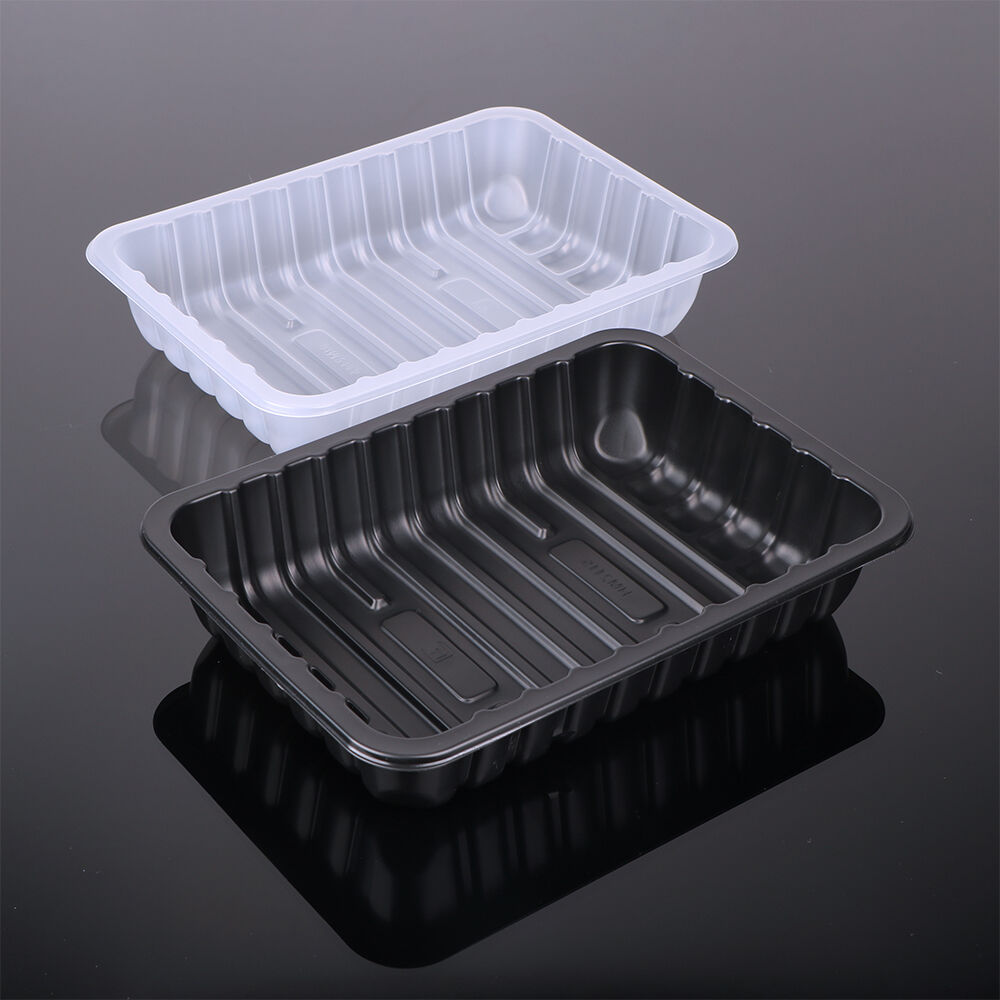
Material Requirements for Effective MAP Containers: Barrier Films and Integrity Testing
Oxygen transmission rate (OTR), moisture barrier performance, and film layering strategies
The effectiveness of a MAP container depends heavily on the packaging material’s ability to maintain the internal gas composition. The most critical property is the oxygen transmission rate (OTR), which measures how much oxygen can pass through a film over time. A low OTR is essential to prevent spoilage and preserve the modified atmosphere. Alongside gas barrier performance, moisture barrier properties prevent dehydration and condensation, ensuring product quality. To achieve these demanding requirements, manufacturers use multilayer films that combine the strengths of different polymers. A typical structure includes an outer layer for mechanical strength, a middle barrier layer, and an inner sealing layer for food contact and airtight closure.
| Film Layer | Function | Common Material |
|---|---|---|
| Outer Layer | Provides structural integrity, printability, and protection from physical damage. | PET (Polyethylene terephthalate) |
| Middle Layer | Creates a critical barrier against oxygen and other gases. | EVOH (Ethylene vinyl alcohol) or PA (Polyamide) |
| Inner Layer | Enables heat sealing and ensures safe, direct contact with food. | PE (Polyethylene) or PP (Polypropylene) |
This layering strategy allows a MAP container to maintain its protective atmosphere, directly extending the shelf life of sensitive foods like fresh meat and dairy.
FAQ
What is a MAP container?
A MAP (Modified Atmosphere Packaging) container is specialized packaging that actively modifies the internal gas composition surrounding perishable products to extend their freshness and shelf life.
What gases are used in MAP containers?
The primary gases used in MAP containers are carbon dioxide (CO₂), oxygen (O₂), and nitrogen (N₂), tailored to optimize preservation for specific products.
How does MAP extend shelf life?
By replacing air with a precise mix of gases and sealing it in, MAP containers inhibit microbial growth, oxidative rancidity, and enzymatic browning, significantly delaying spoilage.
What materials are used in MAP container films?
MAP container films are usually multilayered, incorporating materials like PET for strength, EVOH or PA for gas barriers, and PE or PP for sealing and food contact.
What industries commonly use MAP containers?
MAP containers are widely used in the food industry, particularly for fresh meats, dairy, produce, and ready-to-eat meals, as well as in agricultural and retail sectors.
Table of Contents
- MAP Container: Definition, Core Mechanism, and Industry Context
- How MAP Containers Control Atmosphere: Gases, Ratios, and Sealing Technology
- The Impact of MAP Containers on Food Preservation and Shelf Life Extension
- Material Requirements for Effective MAP Containers: Barrier Films and Integrity Testing
- FAQ