
 EN
EN
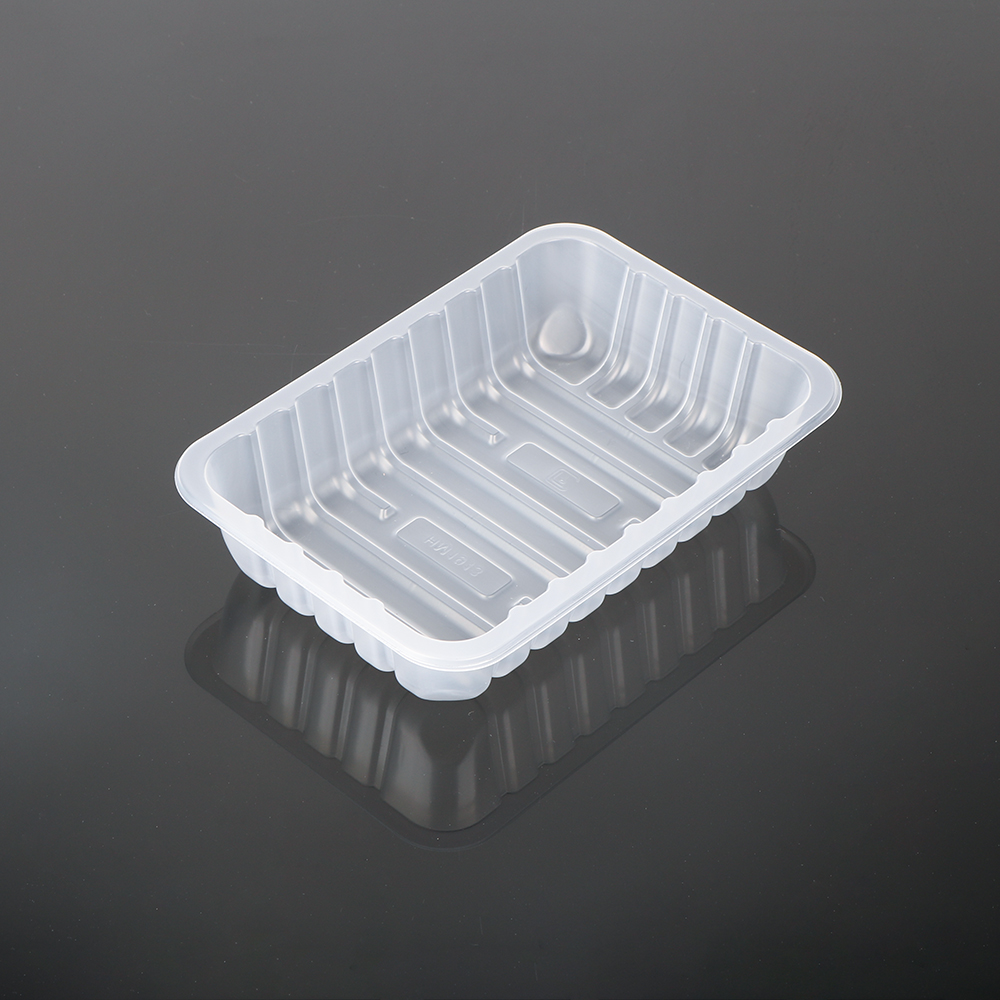
MAP Container Core Mechanism: Gas Composition and Its Shelf Life Impact
Oxygen Reduction as the Primary Shelf Life Driver in MAP Containers
The core principle of a MAP container is replacing ambient air with a precisely engineered gas blend—primarily by reducing oxygen. Oxygen drives oxidative spoilage: rancidity in fats, enzymatic browning in produce, and texture breakdown in proteins. Lowering oxygen to ≤1% effectively halts these reactions. It also suppresses respiration in fresh produce, delaying ripening and senescence. For high-risk items like raw meats and ready-to-eat meals, low-oxygen atmospheres are the most critical factor in preserving quality across distribution and retail display—extending freshness without chemical preservatives.
CO₂ and N₂ Synergy: Antimicrobial Action and Physical Displacement
Carbon dioxide (CO₂) and nitrogen (N₂) work synergistically with oxygen reduction to complete the preservation system. CO₂ penetrates microbial cell membranes and lowers intracellular pH, inhibiting gram-negative bacteria (e.g., Pseudomonas, Enterobacteriaceae) and molds—especially at refrigerated temperatures. Nitrogen, inert and non-reactive, displaces residual oxygen and prevents package collapse in delicate formats like bakery trays or salad clamshells. This dual function—microbial suppression and structural support—means gas ratios must be product-specific, calibrated to respiration rate, surface area, and microbial vulnerability. As the International Fresh-Cut Produce Association notes, “There is no universal MAP gas mix; efficacy depends on matching atmosphere dynamics to biological and physical food properties.”
Biological Response to MAP Container Atmospheres
Respiration Rate Suppression in Fresh Produce
Post-harvest, fruits and vegetables continue respiring—consuming O₂, releasing CO₂, heat, and ethylene. The modified atmosphere inside a MAP container lowers O₂ and elevates CO₂, directly suppressing respiration. This slows ethylene synthesis and shifts metabolism toward physiological quiescence, preserving texture, color, and nutrients. Leafy greens and berries—high-respiring commodities—benefit most: uncontrolled respiration would cause wilting, yellowing, and decay within days. With MAP, cellular activity stabilizes, extending viability even after exposure to ambient air post-opening.
CO₂-Mediated Inhibition of Gram-Negative Bacteria and Mold
CO₂ acts as a clean-label antimicrobial agent within the MAP container. Dissolved CO₂ acidifies food surfaces and disrupts membrane integrity in spoilage organisms, particularly gram-negative bacteria and mold spores. Concentrations of 10–20% significantly inhibit Pseudomonas growth and mycelial expansion while leaving sensory attributes unaffected. Unlike chemical preservatives, CO₂ leaves no residue and requires no labeling—aligning with consumer demand for minimal-intervention foods. Its efficacy is amplified under consistent refrigeration, where lower temperatures enhance solubility and antimicrobial penetration.
Critical Engineering Factors for Effective MAP Container Performance
Film Permeability (OTR/MVTR) Alignment with Product Physiology
MAP container performance depends critically on film selection. Oxygen transmission rate (OTR) and moisture vapor transmission rate (MVTR) must match the product’s respiration and transpiration profiles. High-respiring broccoli, for example, needs higher-OTR films to avoid anaerobic conditions and ethanol off-flavors; low-respiring apples require tighter barriers to sustain low-O₂ conditions. Multilayer co-extruded or microperforated films enable this precision—engineered not just for barrier strength, but for dynamic equilibrium between internal gas composition and external storage conditions.
Temperature Dependence: Why Cold Chain Integrity Is Non-Negotiable for MAP Containers
Temperature stability is foundational: respiration rates double with every 10°C increase. Even brief excursions above 4°C accelerate O₂ depletion and CO₂ accumulation, risking package collapse, anaerobic fermentation, and off-odor development. A single 2-hour temperature spike can negate weeks of shelf-life gain. Therefore, cold chain integrity—from packing line through transport, warehouse, and retail case—is not optional but essential. Real-time temperature monitoring and data logging are now standard engineering controls in leading MAP programs, per FDA Food Safety Modernization Act (FSMA) preventive control guidance.
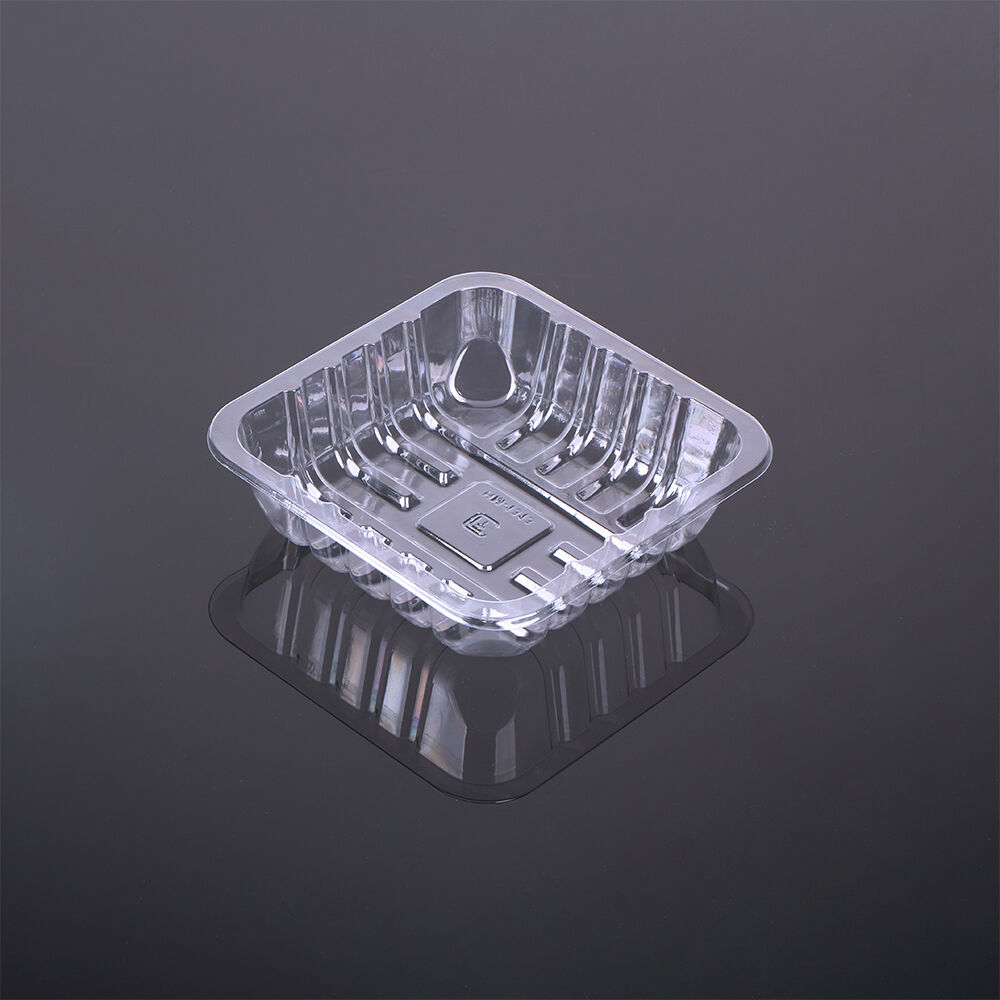
Proven Shelf Life Gains and Sustainability Benefits of MAP Containers
Quantified Results: Leafy Greens Achieve 3.2× Shelf Life Extension
MAP containers deliver consistent, measurable shelf life extension. For leafy greens, peer-reviewed trials—including those conducted by the USDA Agricultural Research Service—show a 3.2× increase: from an average 5-day shelf life in conventional packaging to 16 days under optimized MAP. This gain stems from integrated control of O₂, CO₂, and humidity, which preserves leaf turgor, chlorophyll retention, and vitamin C levels far longer than air-packaged equivalents. Retail audits confirm up to 40% less shrink in MAP-packaged spinach and romaine over standard polyethylene bags.
Food Waste Reduction and Supply Chain Efficiency Gains
Extended shelf life translates directly into reduced food waste—across farms, distribution centers, retailers, and households. Retailers report 20–30% lower spoilage rates with MAP-packaged produce; consumers gain flexibility, reducing premature disposal. Logistically, longer viability enables less frequent replenishment, cutting transportation legs and associated emissions. For producers, it unlocks access to export markets previously limited by transit time—without freezing or added preservatives. As Walmart’s Project Gigaton and Tesco’s “Food Waste Pledge” demonstrate, MAP is a scalable, evidence-based tool for meeting corporate sustainability targets while maintaining food safety and quality.
FAQ
What is the primary function of lowering oxygen in MAP containers?
Reducing oxygen in MAP containers slows down oxidative spoilage and suppresses respiration in fresh produce, extending shelf life and quality.
How do CO₂ and N₂ work together in MAP containers?
CO₂ inhibits spoilage microorganisms, while N₂ displaces residual oxygen, preventing package collapse and preserving food quality.
Why is temperature control crucial for MAP performance?
Temperature fluctuations accelerate respiration and gas imbalance, risking spoilage and undermining the benefits of MAP technology.
What shelf life improvements can MAP containers achieve?
MAP containers can extend shelf life by up to 3.2× for certain fresh produce, such as leafy greens and berries.
How does MAP contribute to sustainability?
By reducing food waste, enabling longer supply chains, and minimizing transportation emissions, MAP containers support sustainable practices.