
 EN
EN
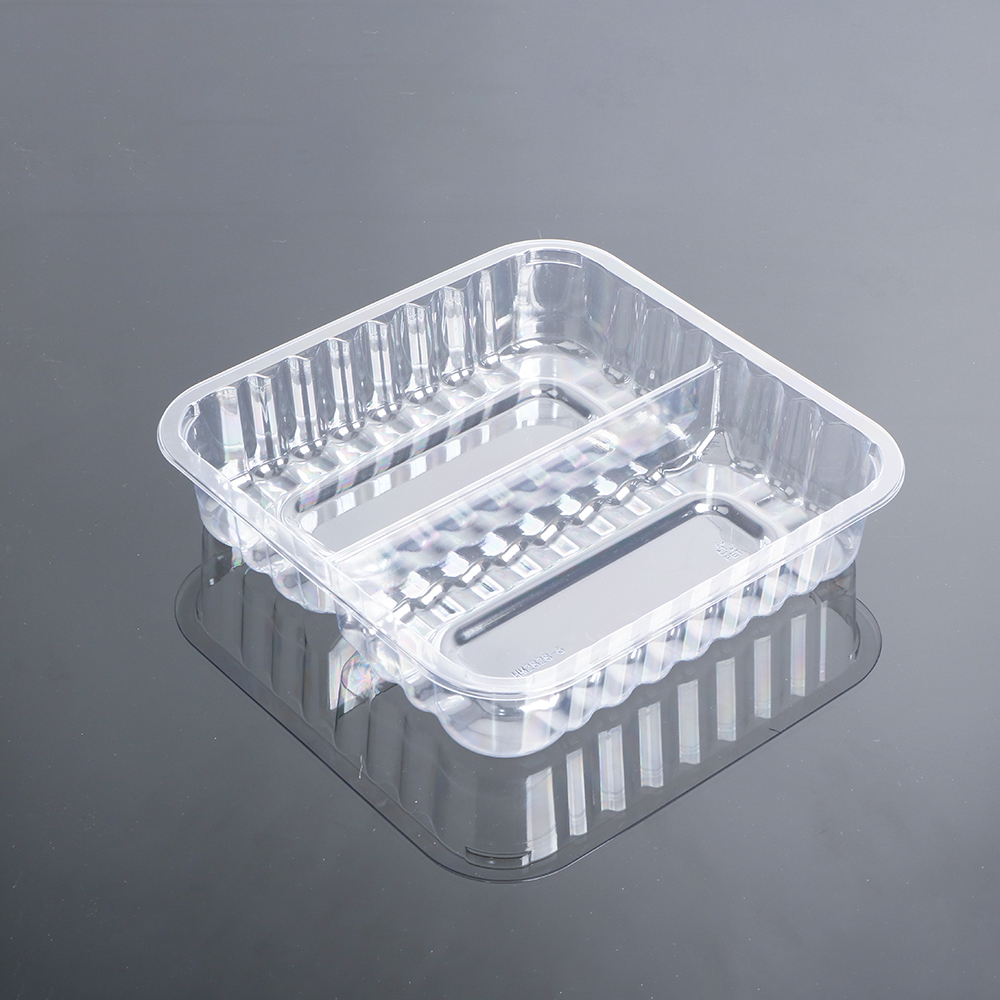
Extended Shelf Life and Reduced Food Waste with MAP Container
How Controlled Atmosphere in MAP Container Delays Spoilage
Modified Atmosphere Packaging (MAP) containers extend shelf life by replacing ambient air with precisely calibrated gas blends—primarily reducing oxygen while optimizing CO₂ and nitrogen levels. This controlled atmosphere slows microbial growth and inhibits oxidative reactions responsible for spoilage. For instance, fresh meat shelf life increases from 2–4 days under conventional packaging to 5–8 days in MAP containers (Food Chemistry Institute, 2023). Crucially, this preservation occurs without chemical additives—relying instead on physical and biochemical principles validated by food science standards.
Measurable Impact: Retail Shrinkage Reduction and Supply Chain Efficiency Gains
Extended freshness directly reduces food waste—especially critical in high-loss systems like India’s, where post-harvest losses for perishables reach 30–40% (AgriTech Journal, 2023). Retailers using MAP report up to 50% lower shrinkage, while distributors gain flexibility in routing, storage, and delivery timing. Reduced spoilage lowers inventory replacement costs and enables broader market access—including remote or underserved regions—without compromising quality or safety.
Superior Food Quality Retention Using MAP Container Technology
Oxygen Exclusion for Color and Texture Stability in Fresh Meats and Produce
By displacing oxygen with protective gas mixtures, MAP containers preserve key sensory attributes. Oxygen exclusion prevents:
- Discoloration in red meats (via inhibition of myoglobin oxidation),
- Texture loss in leafy greens (by slowing enzymatic breakdown),
- Flavor deterioration in fatty fish (by limiting lipid oxidation).
Research shows produce in MAP retains <1% moisture loss over 18 days—maintaining crispness, weight, and visual appeal. In meats, maintaining oxygen below 0.5% significantly delays metmyoglobin formation, extending visual shelf life by ~40% compared to standard packaging.
Targeted Gas Blends: Nitrogen for Physical Protection vs. CO₂ for Microbial Control
MAP technology tailors gas ratios to product-specific needs:
- High-purity nitrogen (≥99%) provides an inert cushion that prevents crushing in fragile items like snacks and baked goods, while also blocking oxidative rancidity;
- CO₂-dominant blends (20–80%) suppress aerobic bacteria, yeasts, and molds through intracellular acidification—particularly effective in fresh meats and seafood.
These targeted atmospheres reduce microbial growth rates by 30–60% versus air-packed equivalents. The dual-function design—nitrogen for structural integrity and CO₂ for biological control—delivers consistent quality improvements without synthetic preservatives.
Enhanced Food Safety and Clean-Label Advantages of MAP Container
Natural Microbial Inhibition Mechanisms Validated by FDA and EFSA
MAP creates a natural antimicrobial environment by modulating gas composition—reducing oxygen, elevating CO₂, and leveraging nitrogen as a stabilizing buffer. This disrupts microbial metabolism, suppressing pathogens such as Listeria monocytogenes and E. coli by 60–90% relative to air-packaged products. Regulatory bodies confirm its efficacy: the European Food Safety Authority (EFSA) reported in 2023 that CO₂-rich atmospheres achieve up to a 4-log reduction in bacterial load in fresh meats. The U.S. FDA recognizes MAP as a Generally Recognized As Safe (GRAS) intervention when applied within established parameters. Retailers see ~30% fewer contamination-related incidents, and consumers benefit from clean-label transparency—no artificial preservatives, yet full compliance with global food safety benchmarks. The sealed barrier also mitigates cross-contamination risks during handling and transit.
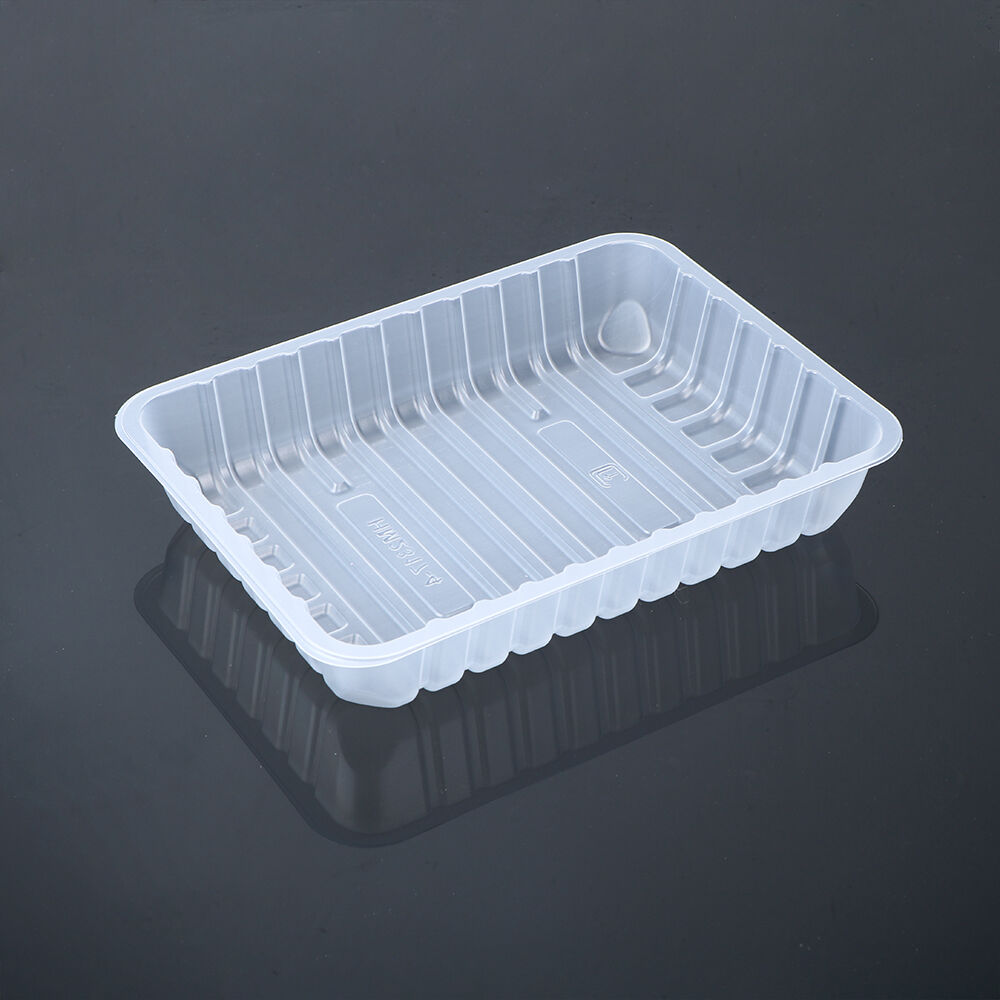
Sustainable Value Proposition: Cost Efficiency and Environmental ROI of MAP Container
MAP delivers measurable sustainability outcomes through waste reduction, resource optimization, and circular design. Shelf life extension—typically 3× to 5× longer than conventional packaging—cuts food waste across the supply chain, lowering disposal fees and inventory losses by up to 40%. Fewer spoilage-driven replacements also reduce transportation frequency, cutting fuel use and associated CO₂ emissions by 15–30% in regional distribution networks.
Operationally, manufacturers report 25% lower total packaging-related costs after MAP adoption—driven by reduced preservative use, fewer returns, and improved yield. Environmentally, next-generation MAP containers increasingly use recyclable high-barrier films, diverting over 18,000 tons of plastic annually from landfills (Packaging Sustainability Report, 2023). Lifecycle assessments confirm rapid economic return—12–18 months—with a 22–35% reduction in carbon footprint per food unit—affirming MAP as both a financially sound and ecologically responsible packaging strategy.