
 EN
EN
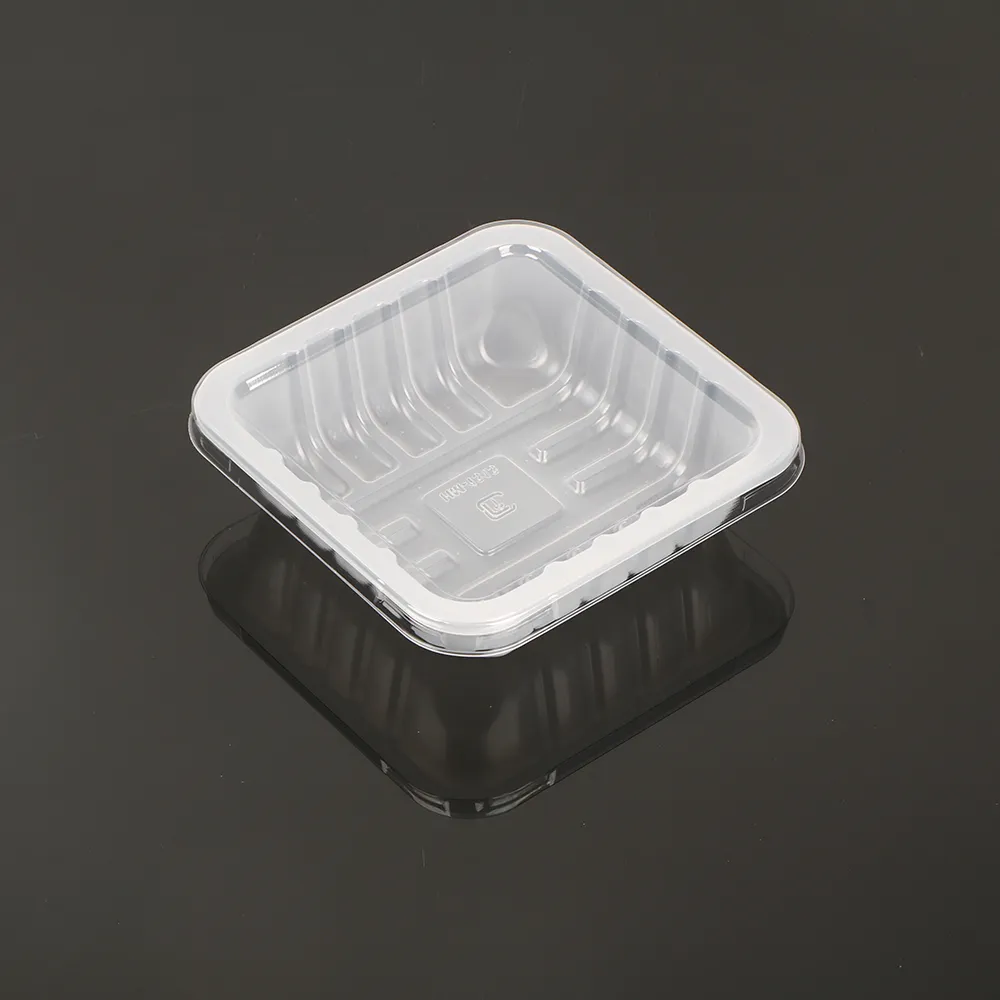
Skin Packaging Extends Fresh Food Shelf Life via Oxygen Elimination
How Vacuum Skin Packaging (VSP) Creates Near-Zero Oxygen Environments
Vacuum Skin Packaging (VSP) halts food degradation through precise physical control: a rigid tray holds the product, and a heated, highly transparent top film is vacuum-formed directly onto its surface—creating a “second skin” that conforms tightly to every contour. Unlike Modified Atmosphere Packaging (MAP), VSP eliminates headspace entirely, removing oxygen from the immediate environment. This near-zero oxygen barrier effectively suppresses aerobic spoilage bacteria (e.g., Pseudomonas) and prevents oxidative rancidity in fats and pigment degradation. The result is a hermetically sealed microenvironment where chemical decay pathways are suspended—preserving sensory and nutritional integrity from processing through retail and into the consumer’s refrigerator.
Quantifying Shelf Life Gains: Oxidation Prevention in Meat, Seafood, and Produce
By blocking oxygen-driven reactions, VSP delivers measurable shelf life extensions across high-perishability categories. In fresh red meat, it prevents myoglobin oxidation—the cause of brown discoloration—extending visual freshness from 3–5 days to up to 21–28 days. Industry data from the Food Waste Reduction Alliance (2023) links this to a 40% reduction in retail discards due to premature spoilage. For seafood—especially salmon and tuna—the anaerobic barrier curbs rapid trimethylamine (TMA) development and lipid oxidation, boosting shelf life from 2–3 days to 10–14 days while preserving sea-sweet aroma and firm texture. In produce, enzymatic browning and moisture loss are significantly delayed. The table below reflects typical gains for challenging fresh items:
| Product Category | Traditional Packaging Shelf Life | Skin Packaging Shelf Life | Primary Quality Challenge Prevented |
|---|---|---|---|
| Beef Steaks | 3–5 days | Up to 28 days | Color loss (oxidation of myoglobin), lipid rancidity |
| Fresh Salmon Fillets | 2–3 days | 10–14 days | Lipid oxidation (rancidity), microbial spoilage |
| Sliced Stone Fruit | 2–3 days | 8–10 days | Enzymatic browning, texture softening |
| Hard Cheeses | 7–10 days | 15–21 days | Surface mold growth, desiccation |
These extensions reshape supply chain logistics—enabling centralized seasonal processing, reducing deep-discount pressure near sell-by dates, and stabilizing lipids and proteins without chemical intervention. That consistency builds consumer trust and supports premium positioning.
Skin Packaging Preserves Texture, Moisture, and Natural Freshness
Preventing Texture Degradation: Rubbery Meat, Soggy Greens, and Surface Drying
VSP preserves texture by eliminating oxygen exposure and locking in moisture—halting the enzymatic and oxidative processes that degrade structural integrity. The tight film seal prevents purge in meat and condensation buildup in leafy greens, avoiding both rubberiness and sogginess. For seafood, the anaerobic environment maintains muscle fiber integrity, delivering a firm, fresh bite. A 2023 study by the Food Packaging Research Institute found VSP reduced moisture loss in beef by 68%, directly correlating with sustained tenderness. Where conventional packaging often yields discolored, tough meat within 3–5 days, VSP-protected products retain natural texture and appearance for up to 14 days—verified by industry benchmarks.
Reducing Reliance on Artificial Preservatives Through Anaerobic Barrier Integrity
The high-barrier film in VSP creates a robust anaerobic environment that inherently inhibits spoilage microorganisms and oxidative reactions—making artificial preservatives unnecessary. Unlike traditional meat packaging reliant on sodium nitrite, VSP relies solely on physical barrier integrity and vacuum to prevent aerobic bacterial growth and lipid oxidation. This aligns with strong consumer demand: a 2022 Clean Label Alliance survey found 73% of shoppers actively seek meat with no artificial preservatives. Crucially, VSP also contains purge—liquid exudate that can harbor bacteria and accelerate spoilage—keeping the product intact and microbiologically stable. By preserving natural flavor, color, and nutrients without synthetic antioxidants, VSP delivers a cleaner label while maintaining safety and quality.
Skin Packaging Minimizes Spoilage and Food Waste Across the Supply Chain
Skin packaging directly combats food waste by extending usable shelf life through oxygen elimination and liquid containment. Globally, the FAO estimates 1.3 billion tons of food are lost annually (FAO, 2011)—much of it attributable to premature spoilage. While traditional MAP typically achieves 8–10 days of freshness, leading packaging providers report VSP consistently delivers 14–16 days (2023). That extra week reduces time pressure at retail and gives consumers more flexibility, cutting discard rates at both levels. By preventing purge migration and sauce leakage—common spoilage accelerants—VSP keeps products microbiologically stable longer. Its portion-controlled, premium-ready format further encourages efficient use and discourages over-purchasing. From processor to point-of-sale to home kitchen, VSP strengthens operational resilience while advancing sustainability goals—lowering inventory loss, shrink, and associated carbon footprint.
Skin Packaging Enhances Visual Appeal and Strengthens Consumer Freshness Perception
Skin packaging elevates presentation with crystal-clear, form-fitting film that showcases food in true-to-life detail—no fogging, distortion, or liquid movement. This “floating” effect highlights natural color, shape, and texture throughout shelf life, signaling peak freshness within the critical first seconds of shopper engagement. Because the package appears nearly invisible, the product itself becomes the focal point—reinforcing perceptions of just-harvested or just-cut quality. Retailers confirm this visual clarity builds trust and drives impulse purchases, especially among consumers prioritizing freshness and clean labels. By letting food speak for itself—without artificial enhancers or preservatives—VSP serves as a silent, credible brand ambassador that strengthens equity and reduces waste through confident, informed buying decisions.
FAQs
What is Vacuum Skin Packaging (VSP)?
Vacuum Skin Packaging (VSP) is a packaging technique that uses a heated, transparent film to vacuum-seal food products tightly onto a rigid tray, creating an oxygen-free environment that extends shelf life and preserves freshness.
How does VSP compare with Modified Atmosphere Packaging (MAP)?
Unlike MAP, which minimizes oxygen by using a gas mixture, VSP removes oxygen entirely from the package by creating a vacuum-sealed environment, making it more effective in preventing spoilage and oxidation.
Which food products benefit the most from VSP?
Fresh meat, seafood, sliced fruits, and hard cheeses are some of the food categories that benefit significantly from VSP, with extended shelf lives and enhanced freshness and texture.
Does VSP eliminate the need for artificial preservatives?
Yes, VSP drastically reduces the requirement for artificial preservatives by providing an anaerobic environment that inhibits spoilage bacteria and oxidative reactions naturally.
How does VSP help reduce food waste?
By extending shelf life and preventing spoilage, VSP reduces food waste across the supply chain—from manufacturing to retail to the consumer’s home.