
 EN
EN
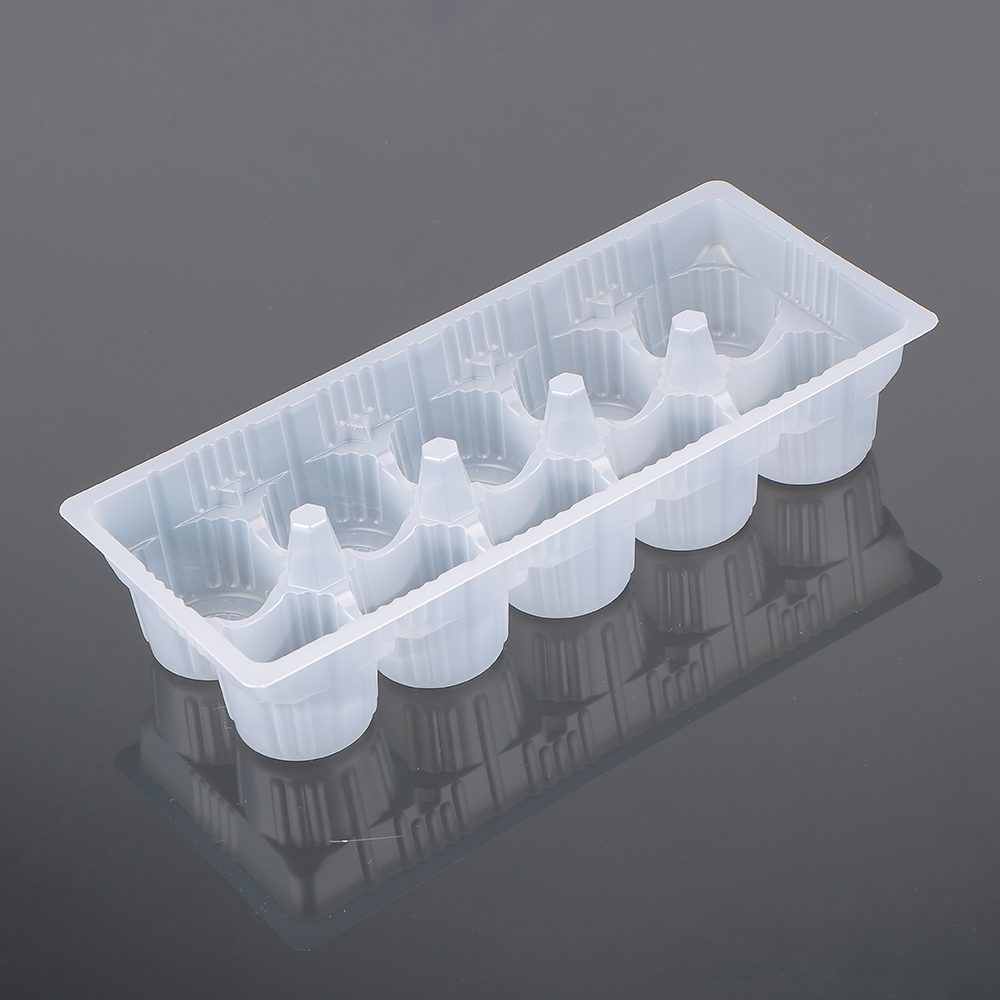
Superior Preservation: How Plastic Cookie Tray Extends Freshness and Shelf Life
Moisture Barrier Performance Prevents Sogginess and Staleness
Plastic cookie trays actually create a good barrier against humidity in the air. Cardboard on the other hand soaks up moisture pretty quickly, making cookies go bad faster. Some tests showed that cookies stored in cardboard can lose their quality by about 40% just a few days after baking. The special plastics used in these trays stop water vapor from getting through, so cookies stay crisp and bacteria doesn't grow as much. This matters especially for delicate cookies like shortbread or meringues that start to fall apart when the air gets too damp, around 60% humidity or higher. Plastic trays keep these types of cookies tasting fresh about three times longer compared to cardboard packaging. Because of this natural protection, manufacturers don't have to add extra chemicals to preserve freshness throughout the whole supply chain right until they reach store shelves.
Thermal Stability Maintains Cookie Integrity During Storage and Transit
Plastic trays hold up well over quite a wide temperature range from minus 20 degrees Celsius all the way up to 120 degrees Celsius, which is about minus 4 Fahrenheit to 248 Fahrenheit. Cardboard meanwhile starts to warp when it hits around 40 degrees Celsius or 104 Fahrenheit. The fact that plastic stays stable means no condensation builds up inside when things are stored in cold conditions, and there's far less chance of items breaking when they go through hot environments during shipping. When researchers tested how cookies fare after being shaken for what would be roughly equivalent to a 300 mile trip, those in plastic containers ended up with about half as many cracks compared to the ones packed in cardboard boxes. Plus, because plastic maintains its shape consistently, it works much better for stacking products neatly in freezers, inside industrial ovens, and through automated packing machines too. This reduces problems caused by faulty packaging right along manufacturing lines.
Data-Backed Shelf Life Extension: +35% vs. Cardboard Trays in 30-Day Accelerated Testing
Tests run at 38°C (100°F) with 75% humidity showed that cookies kept in plastic trays lasted 35% longer on the shelf than usual after 30 days. Moisture levels stayed pretty much the same across all samples (less than 5% difference), and their crunchiness remained consistent within about 10% of what we measured initially. Meanwhile, those stored in cardboard boxes started getting rock hard or developing a rubbery texture around day 15. When applied to actual bakery operations, this means products stay fresh for roughly 7 to 10 extra days before needing to be replaced. Mid sized bakeries can expect to stock up less often by nearly 28%, which saves them about $740k each year in lost product costs according to research from the Ponemon Institute published last year.
Operational & Safety Advantages of Plastic Cookie Tray in Production and Distribution
FDA and EU 10/2011 Compliance Ensures Food-Safe Hygiene and Regulatory Confidence
When plastic cookie trays are made according to FDA food contact standards plus EU Regulation (EC) No. 10/2011, they actually pass those strict migration tests that stop harmful chemicals from getting into cookies and cakes. The official approvals mean these trays have surfaces that stay clean and don't let bacteria stick around even when生産线 runs at full speed all day long. Getting certified makes it much easier for companies to sell their products worldwide without running into regulatory roadblocks, and it cuts down on the chances of product recalls too. Plus, the fact that these trays are so smooth and don't soak up anything means they can be cleaned quickly by machines, which is a big plus for busy commercial bakeries trying to keep up with hygiene requirements between batches.
Impact Resistance and Portion-Control Design Reduce Breakage by Up to 62%
The combination of engineered stiffness and shock absorbing polymers makes these plastic trays really tough against compression forces, drops, and the stresses from stacking. Tests done independently show around 60 something percent fewer broken cookies compared to what we see with regular packaging methods. The trays have those molded cavities that keep each portion firmly positioned so nothing moves around during shipping or when going through automated sorting systems. Less physical damage plus better performance on production lines means less wasted product overall and faster processing times at distribution centers across the board.
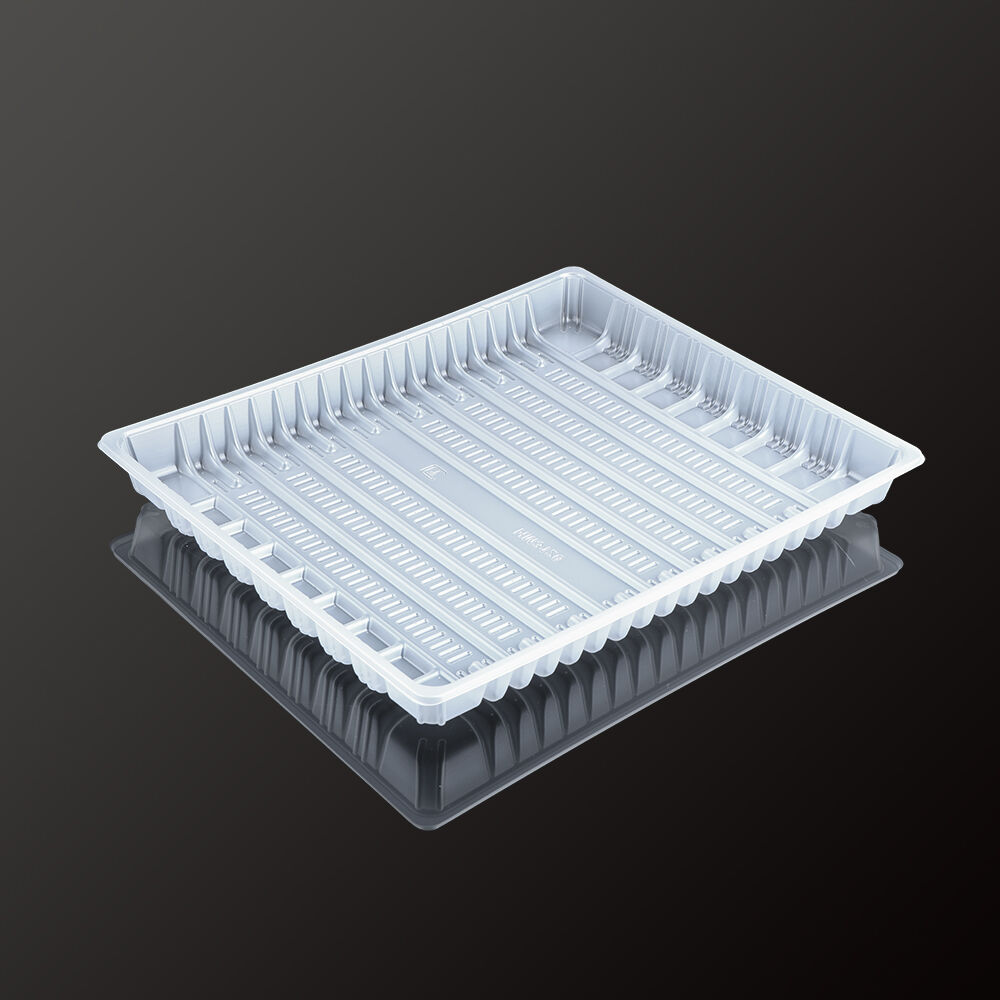
Brand Differentiation and Sustainability: The Marketing Power of Plastic Cookie Tray
Clarity, Custom Molding, and Print Integration Enhance On-Shelf Appeal
Clear plastic trays really help products stand out on store shelves, which studies show can boost impulse buying by around 30%. When manufacturers use custom molds, they get to create unique shapes, add embossed logos, and design special compartments for different portions all while building stronger brand recognition. The latest printing tech lets companies apply bright, long-lasting designs right onto the tray itself instead of needing separate labels, so everything looks put together no matter where it sits on the shelf. What we see as a result is full circle branding that makes products pop visually. Retailers have noticed something interesting too - consumers remember branded items about 25% quicker than they do products in standard packaging. This kind of visibility difference matters when shoppers are deciding what to grab at the last minute.
Recyclable Materials and rPET Options Support Circular Packaging Goals Without Compromising Performance
More and more manufacturers are making plastic cookie trays from food grade recyclable materials these days, especially ones containing rPET or recycled polyethylene terephthalate. According to last year's Circular Packaging Report, this approach cuts down on carbon emissions by around 40% compared to regular plastic. The newer formulas still meet all the safety requirements set by the FDA and EU regulations, even though they only offer about 98% of what standard materials provide in terms of impact resistance. They also keep their moisture barrier properties intact, which is pretty impressive considering some contain as much as half recycled material. What makes this really interesting is how it works within a circular system. After being used, these trays can actually go through collection centers where they get cleaned and turned back into safe packaging for food products. This whole process aligns nicely with the United Nations' Sustainable Development Goal number twelve regarding responsible consumption practices across industries.