
 EN
EN
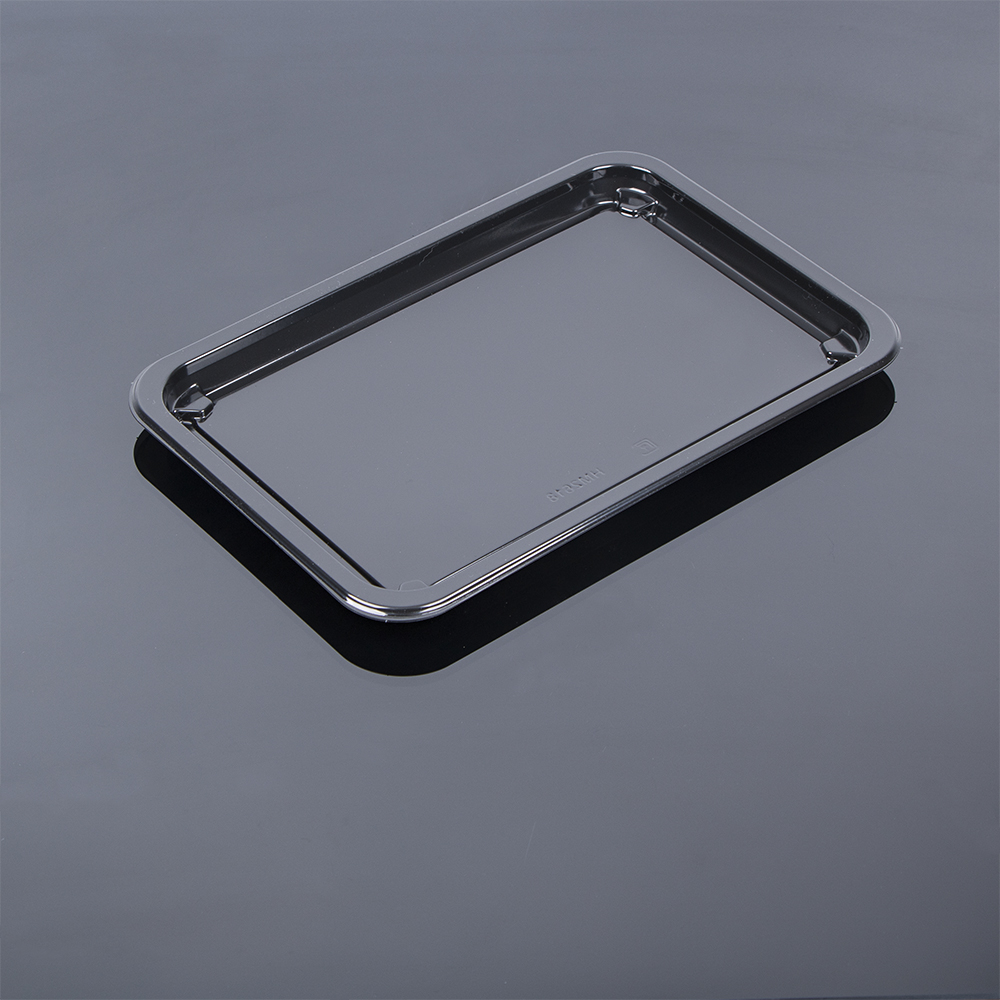
VSP Tray Fundamentals: How Vacuum Skin Packaging Works
Vacuum Skin Packaging (VSP) achieves its remarkable preservation through two synergistic innovations: precision engineering of the sealing process and advanced material science. This technology revolutionizes food protection by combining atmospheric control with tailored barrier properties.
Core Mechanism: Vacuum-Driven Adhesion and Seal Integrity
Products get placed onto sturdy plastic trays as the first step in this packaging method. When heated just right, a special film softens and wraps itself around whatever's sitting there once the vacuum pump starts sucking out all the air inside the chamber. What happens next? The film basically becomes like a second skin for the item, hugging every nook and cranny of the food surface and sticking firmly along the tray's edges too. Traditional sealing techniques often trap air between layers, but not here. Vacuum skin packaging manages to remove almost all oxygen, getting down below 0.1% remaining in most cases. This means nothing from outside can really touch what's inside anymore, plus those empty spaces where bacteria love to grow are gone for good, slowing down how fast things go bad.
Material Science: Why PP/EVOH Laminates Deliver Superior Oxygen Barrier Performance
What makes VSP last so long on store shelves is actually pretty clever engineering. The material uses special multi-layer films that mix isotactic polypropylene (PP) together with ethylene vinyl alcohol (EVOH) barrier layers. PP gives the package strength and keeps moisture out, which is important for keeping products fresh. Those EVOH layers? They're super thin too, around just 5 microns thick, but they work wonders at stopping oxygen from getting through. Oxygen is basically what causes fats to go bad over time. Studies published in scientific journals show that when these VSP trays are properly sealed, they cut down on product waste by about 40 percent. Meat stays looking good for much longer too, sometimes up to 15 extra days before it starts turning colors compared to regular modified atmosphere packaging methods.
Table: Barrier Performance Comparison (OTR = Oxygen Transmission Rate)
| Material Structure | OTR (cc/m²/day) | Moisture Barrier | Ideal Application |
|---|---|---|---|
| Standard PE Film | 1500–4000 | Moderate | Short-shelf produce |
| PP/EVOH/PP Laminate | 1–5 | High | Fresh proteins, cheeses |
| PET/EVOH/PE Composite | 2–8 | Very High | Ready meals, seafood |
Extended Shelf Life and Sensory Quality Preservation with VSP Tray
Quantifying Shelf-Life Gains: Reduced Oxidation, Moisture Loss, and Purge in Fresh Proteins
The VSP tray tech really extends how long products stay fresh because it creates almost no oxygen inside the package (around half a percent or less). This vacuum seal stops fats from going bad by about 85 percent and basically puts the brakes on those bacteria that need oxygen to grow, which matters a lot for things like meat and fish. Looking at industry numbers, we see freshness lasting anywhere from 30 to 50 percent longer compared to regular packaging methods. Take beef cuts for example—they can keep their quality for between 28 and 35 days instead of just 14 when wrapped in PVC. Salmon fillets are even better—staying good for 12 whole days—that's nearly double what most people expect. Plus, the way the film sticks tightly to the product cuts down on drip loss by around 40 percent and keeps moisture where it should be—a 30 percent improvement there too. All this means the food stays heavier and has better texture without needing those absorbent paper packs underneath.
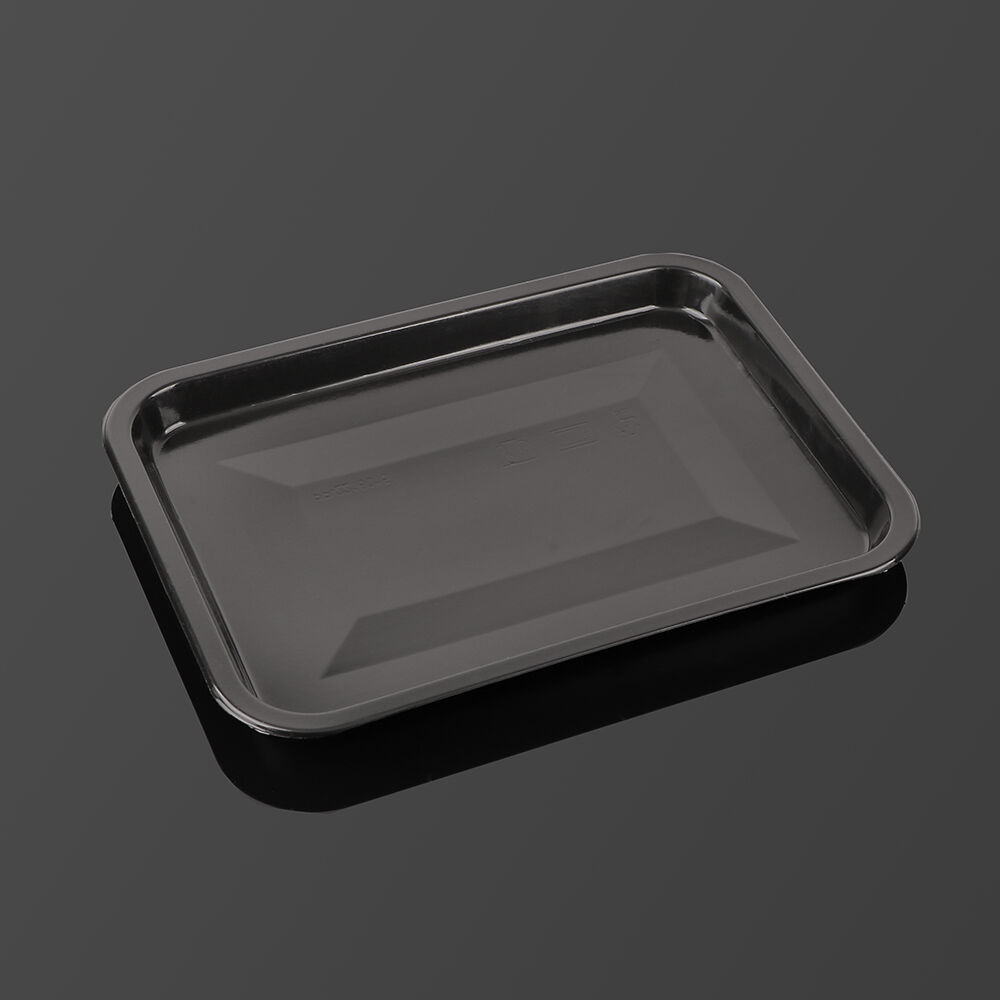
Sensory Integrity: Maintaining Color, Flavor, and Texture Through VSP Tray Sealing
An effective oxygen barrier really helps keep food tasting good. When VSP trays limit oxygen exposure to below half a percent, they stop the myoglobin in meat from oxidizing. This means fresh red color stays visible on cuts for over three weeks straight. The flavor stays much better too because fat breakdown that causes rancidity drops around ninety percent in fatty foods such as sausages. Moisture doesn't escape so quickly either, which keeps textures from getting ruined about thirty-five percent slower than regular packaging. Plus, these films let in ninety-three percent of available light, making products look exactly how they should on store shelves. All this clear visibility works hand in hand with lower bacteria growth rates, something that fits right into today's demand for cleaner ingredient lists without chemical additives. People tend to buy what looks and smells fresh, after all, so these packaging features actually impact buying decisions in real-world settings.
VSP Tray's Dual Role in Food Safety: Microbial Inhibition and Spoilage Prevention
Vacuum skin packaging or VSP trays offer strong food safety benefits mainly because they work in two ways at once: stopping microbes from growing and preventing spoilage. When these packages are sealed, they remove most of the oxygen inside. This creates what scientists call an anaerobic environment where bacteria that need oxygen to survive basically starve out. Studies published in Food Microbiology back this up, showing bacterial growth drops around 90% compared to regular packaging methods. Plus, the tight seal forms a real wall against outside germs like Listeria and Salmonella throughout shipping and storage periods. Another big plus is how VSP handles purge—the blood and juices that usually run out in normal packaging. Keeping this liquid contained matters a lot since it actually speeds up the growth of spoilage organisms. Tests indicate that controlling moisture levels in VSP can keep food fresh for about 5 to 7 extra days. So when we combine the lack of oxygen with the secure seal, we tackle both dangerous pathogens and those reactions that ruin food quality over time. And this helps cut down on the massive amount of food waste worldwide—estimated at 1.3 billion tons each year caused by spoilage issues.