

Hot-Filled Ready-to-Eat Meals: CPET Trays for Thermal IntegrityThermal Stability Under High-Temperature Filling (up to 95°C)Crystallized Polyethylene Terephthalate (CPET) trays are the definitive packaging choice for hot-filled ready-to-eat meals—off...
VIEW MORE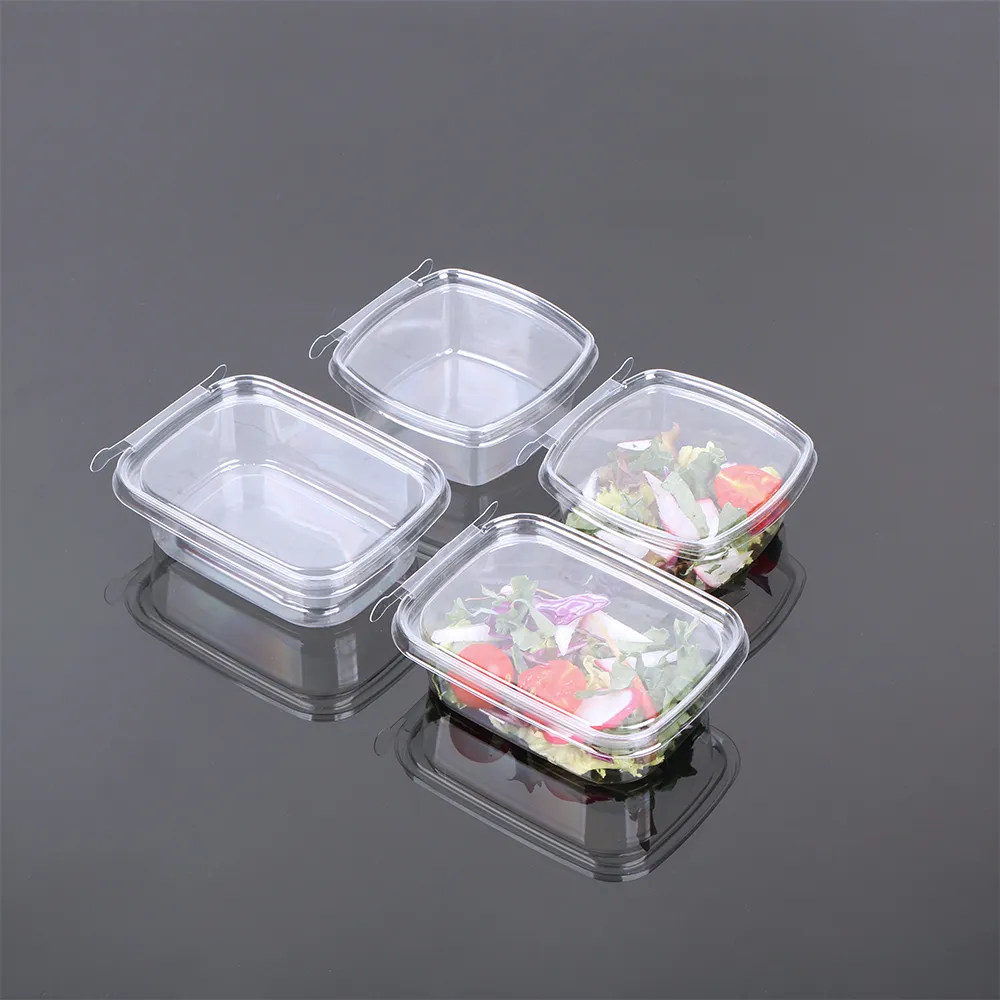
What Makes PET Clamshell Transparent? Molecular Structure and Optical ScienceAmorphous PET vs. Crystalline Regions: Why Uniformity Drives ClarityPET (polyethylene terephthalate) derives its transparency from the arrangement of its polymer chains—repe...
VIEW MORE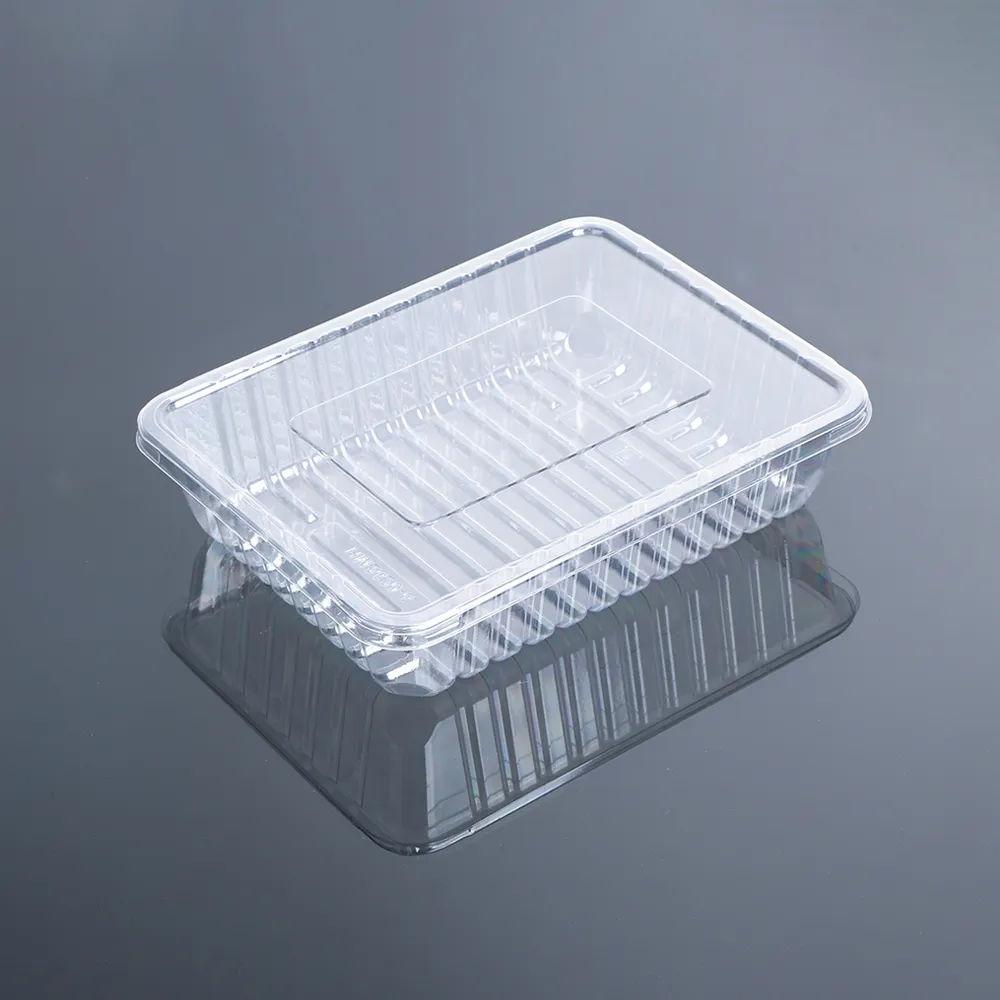
RPET Packaging: Performance, Safety, and Regulatory Readiness for Food UseFood-Grade Safety and Global Compliance (FDA, EFSA, and FDA Letter of No Objection)rPET (recycled polyethylene terephthalate) packaging achieves food-grade safety through a rig...
VIEW MORE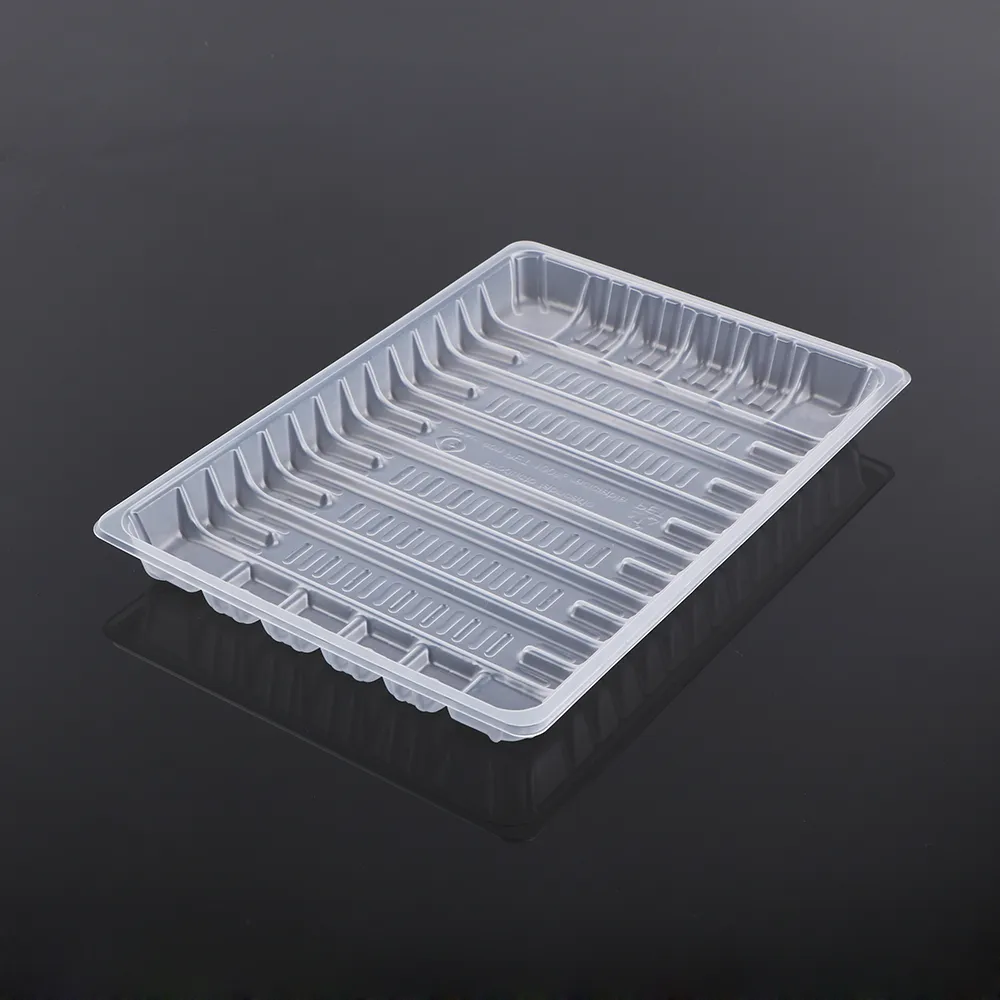
Unmatched Durability and Handling PerformanceImpact resistance and structural integrity across storage, transport, and retail handlingPlastic food trays deliver exceptional toughness that safeguards contents from warehouse to checkout. Engineered fro...
VIEW MORE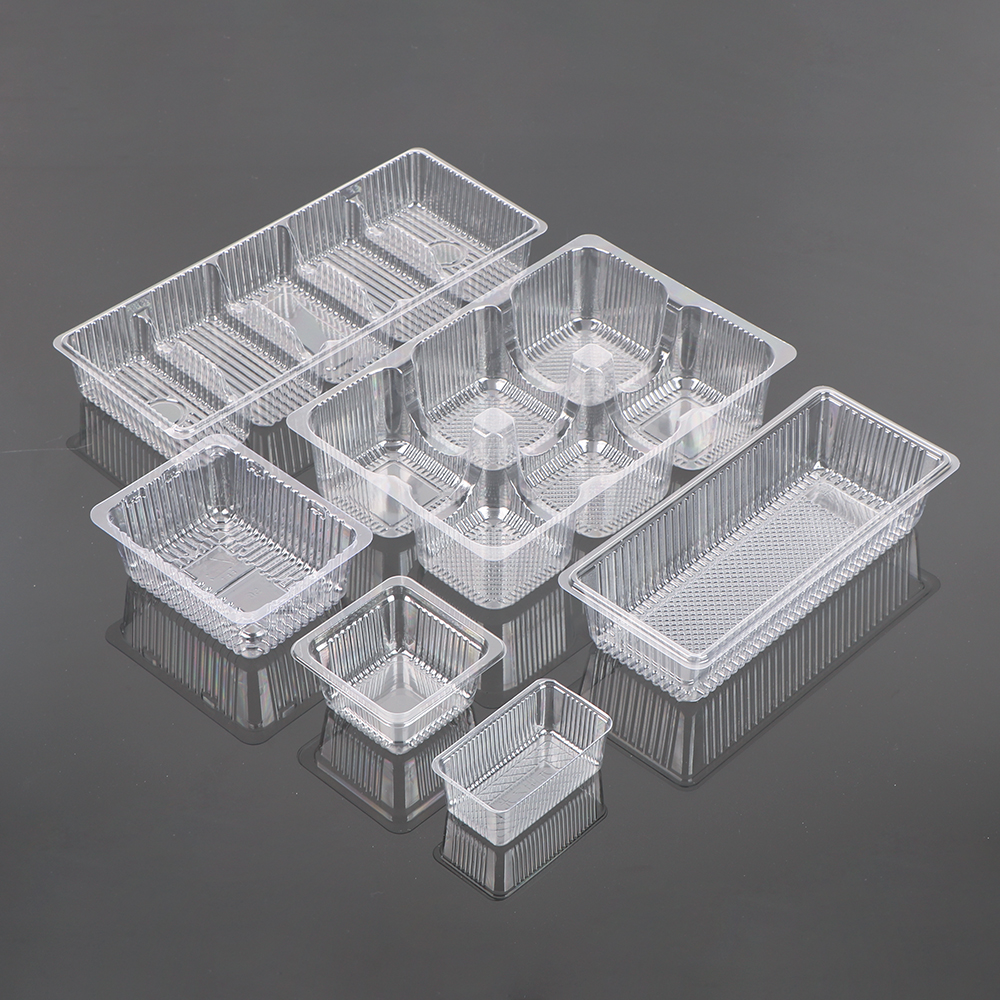
The Science Behind a Truly Leak-Proof SealSilicone Gasket Design and Compression IntegrityA leak-proof food container doesn’t rely on material strength alone — its seal lives in the thin, flexible ring of silicone that sits inside the lid. When close...
VIEW MORE
Waste Reduction: Diverting PET from Landfills and Oceans Closing the Loop on Post-Consumer Plastic Waste RPET packaging forms the cornerstone of a circular economy by transforming post-consumer PET bottles into high-quality, food-grade packaging mate...
VIEW MORE
Regulatory Foundations: FDA, USDA/FSIS, and EFSA Standards for Plastic Meat TraysTo ensure plastic meat trays are safe for direct contact with raw meat, manufacturers must comply with stringent regulations from the U.S. Food and Drug Administration (...
VIEW MORE
PP Packaging for Fresh Produce: Optimizing Breathability and Moisture ManagementMicroperforation Technology in PP Films for Leafy GreensMicroperforated PP films enable precise control of gas exchange to match the respiration rate of leafy greens—slow...
VIEW MORE
Superior Visual Appeal and Consumer Engagement Optical Clarity and Freshness Perception: How Transparency Drives Trust The visual appeal of food packaging is a critical driver of consumer trust. A transparent plastic food tray allows shoppers to di...
VIEW MORE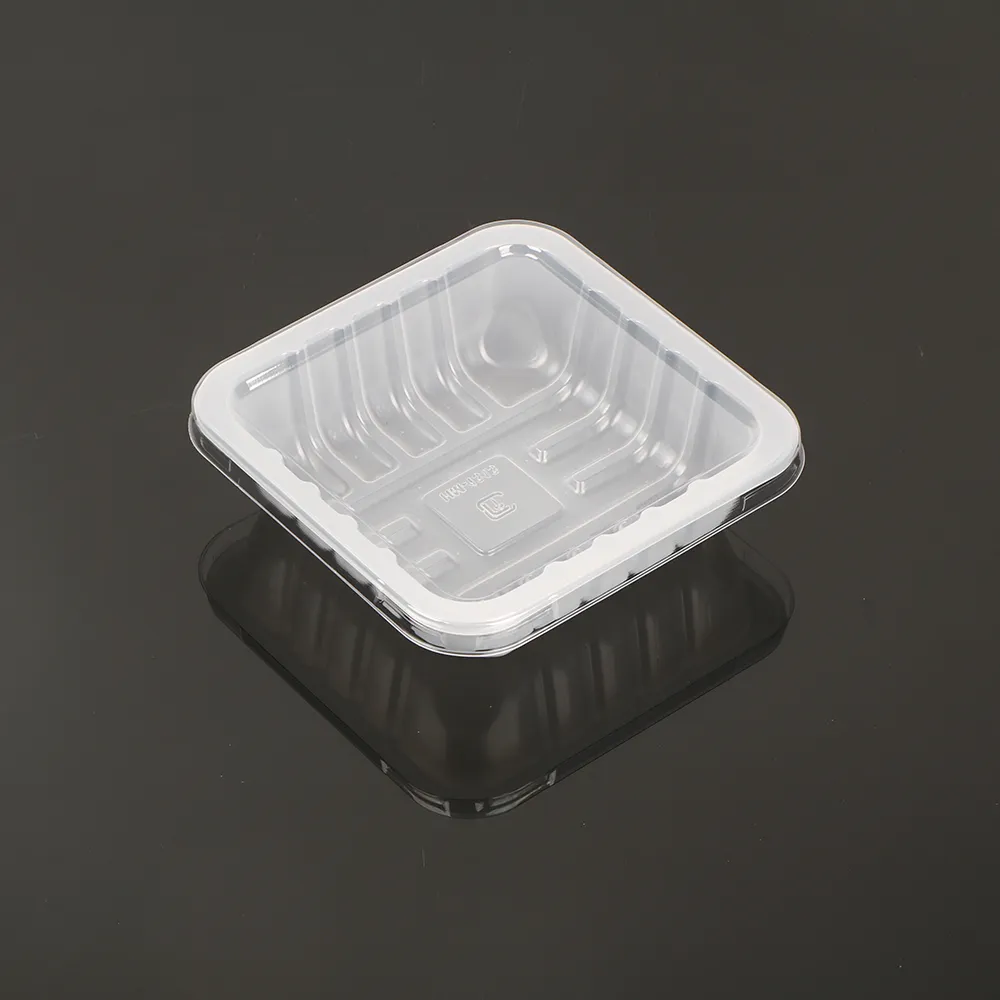
Skin Packaging Extends Fresh Food Shelf Life via Oxygen EliminationHow Vacuum Skin Packaging (VSP) Creates Near-Zero Oxygen EnvironmentsVacuum Skin Packaging (VSP) halts food degradation through precise physical control: a rigid tray holds the produc...
VIEW MORE
Regulatory Foundations for Plastic Food Tray ComplianceFDA Requirements: 21 CFR Part 177 and Approved Food-Contact PolymersIn the United States, plastic food trays must comply with 21 CFR Part 177, which defines acceptable polymers, additives, and pr...
VIEW MORE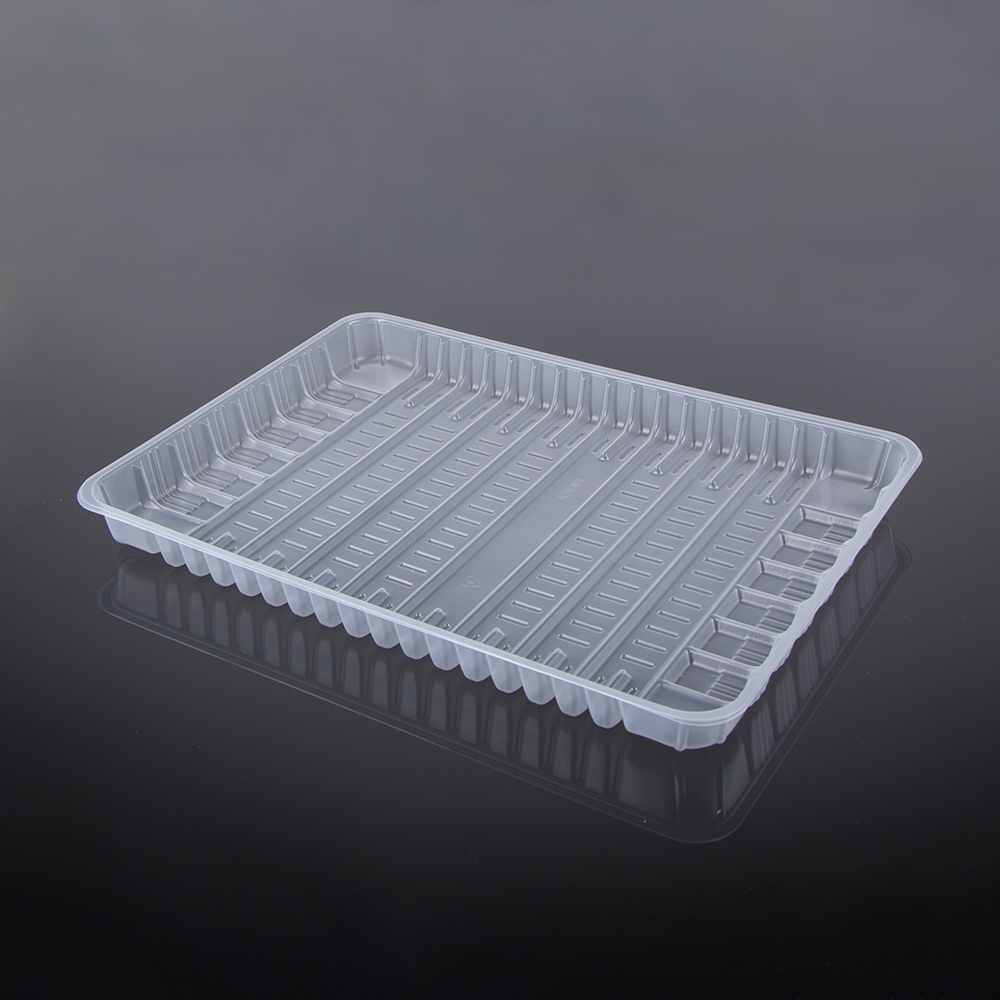
Verify Regulatory Compliance for Plastic Meat TraysFDA 21 CFR Part 177 Requirements for Meat Contact ApplicationsFor plastic meat trays intended for direct contact with fresh meat, the resin and all additives must comply with FDA 21 CFR Part 177. Thi...
VIEW MORE
Zhejiang Hengjiang Plastic Co., Ltd. provides custom food packaging solutions including PET/PP blister trays and injection-molded containers. BRC & FDA certified, GMP-compliant 100K cleanroom, 5,000-ton annual output. Request a quote today.
Lupu Industry Park, Yuhuan City, Zhejiang Province, China
Copyright © 2025 by Zhejiang Hengjiang Plastic Co., Ltd. Privacy Policy
 EN
EN