
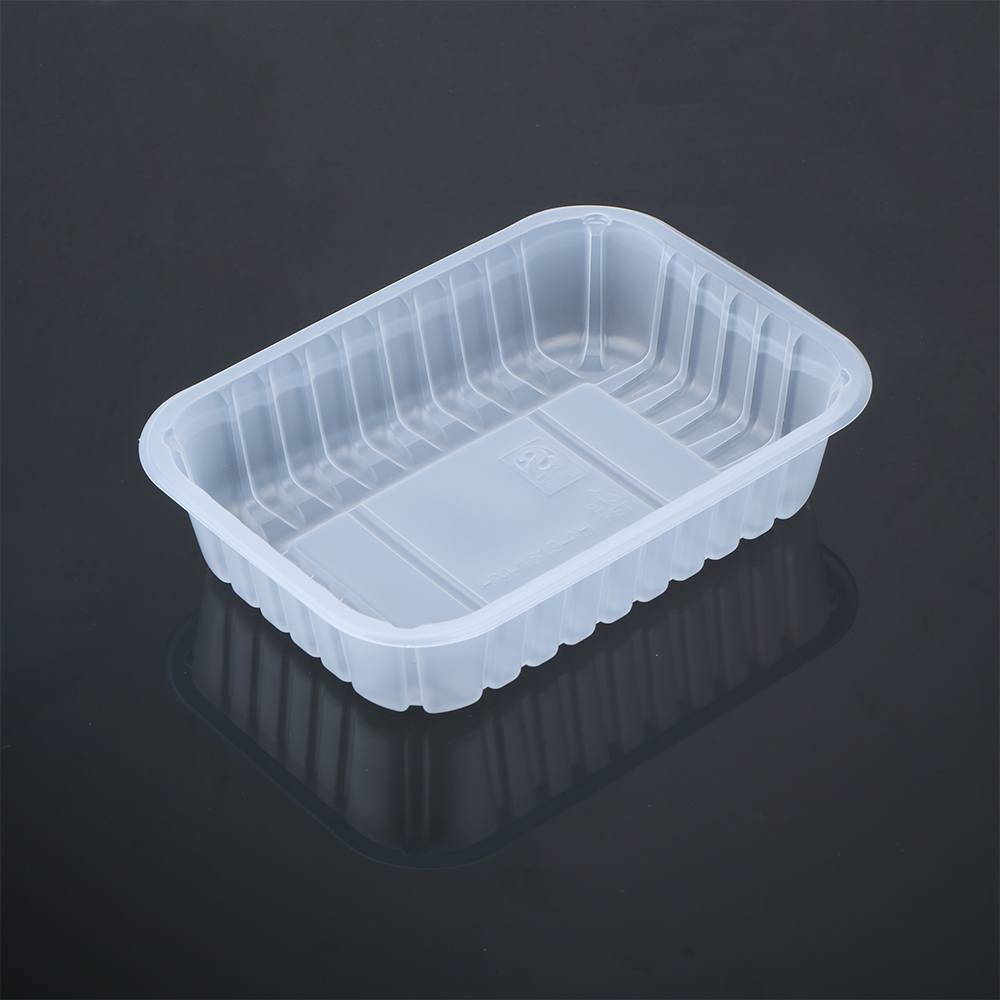
Food-Safe Materials and Regulatory Compliance for Plastic Meat TraysFDA, EU 10/2011, and BPA-Free Certification RequirementsPlastic meat trays intended for direct food contact must meet stringent regulatory benchmarks. In North America, FDA 21 CFR Pa...
VIEW MORE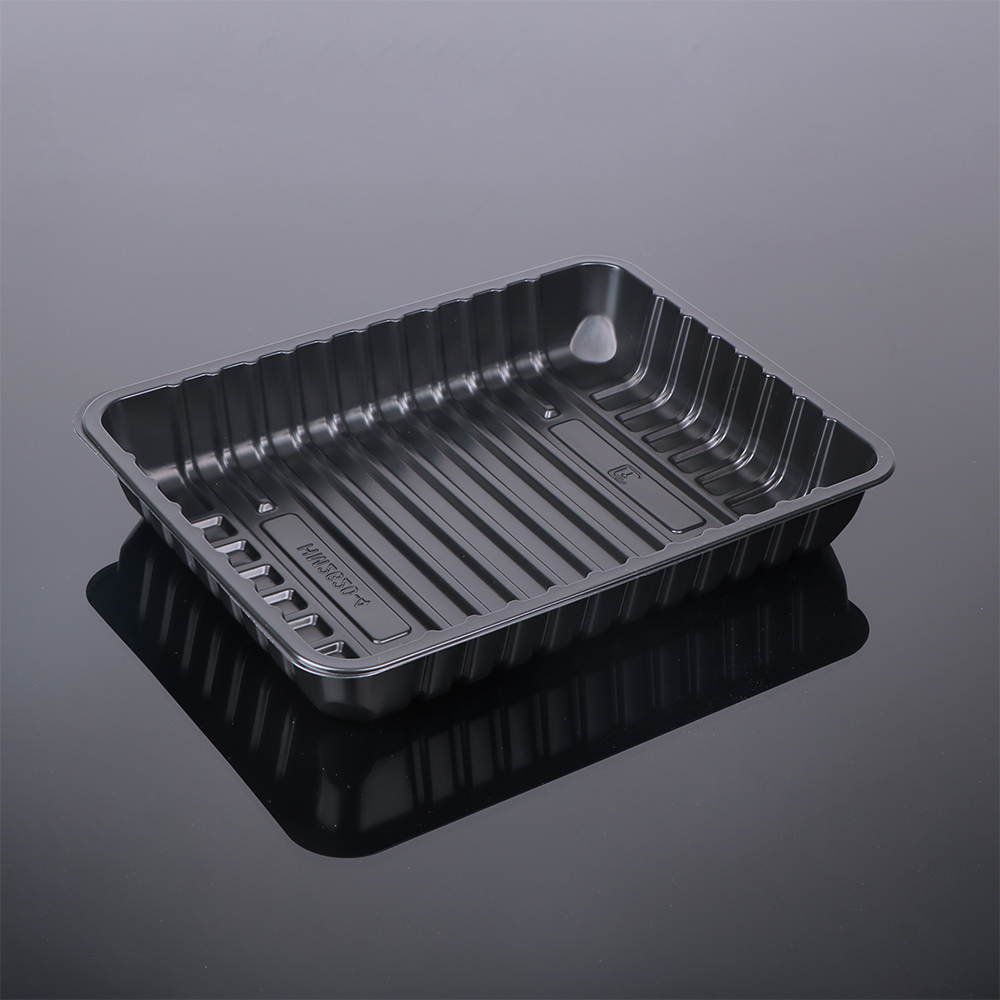
Why Food-Grade PP Packaging Is Ideal for Modern Food ApplicationsThermal Stability and Heat Resistance for Hot-Fill, Microwave, and Sterilization ProcessesFood-grade polypropylene (PP) excels in thermal stability—a non-negotiable requirement for toda...
VIEW MORE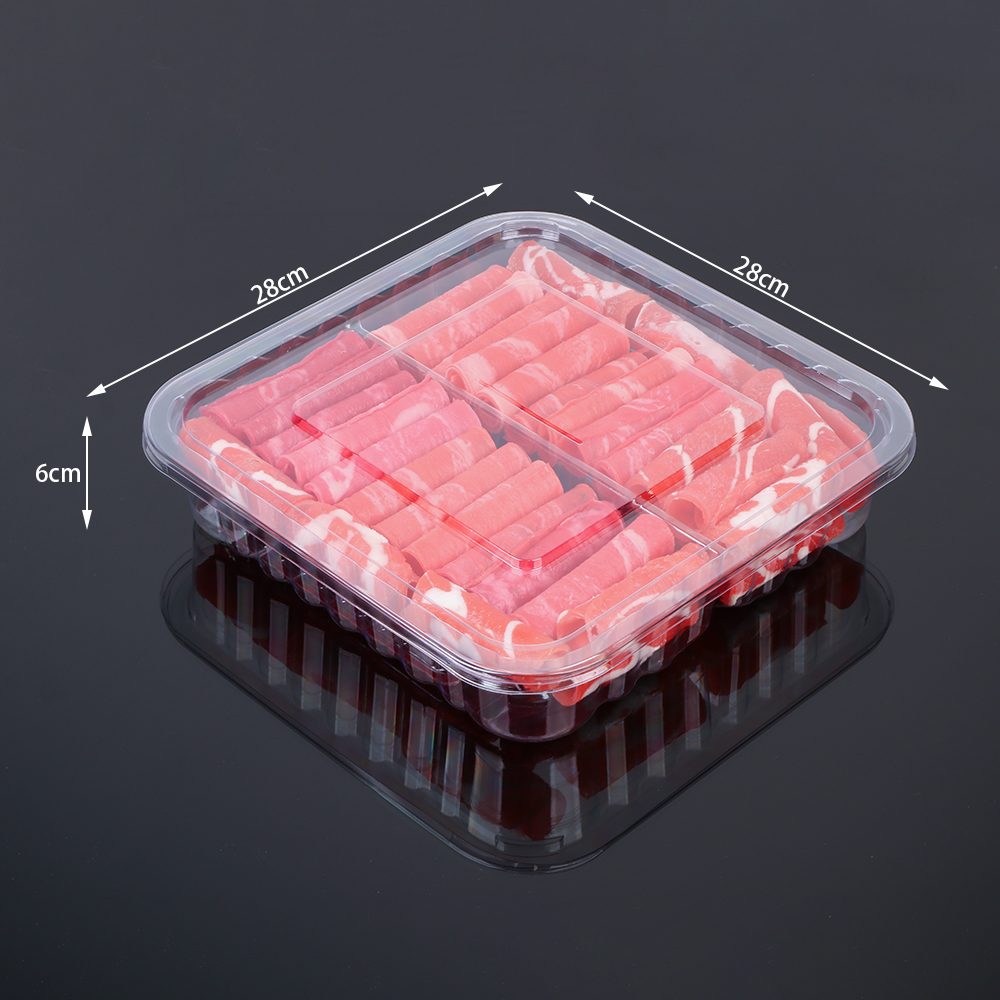
Crystal-Clear Visibility and High-Gloss Finish in Skin PackagingOptical Clarity and Surface Gloss: How Skin Packaging Maximizes Product VisibilitySkin packaging uses a crystal-clear, flexible film vacuum-sealed directly onto the product and rigid tra...
VIEW MORE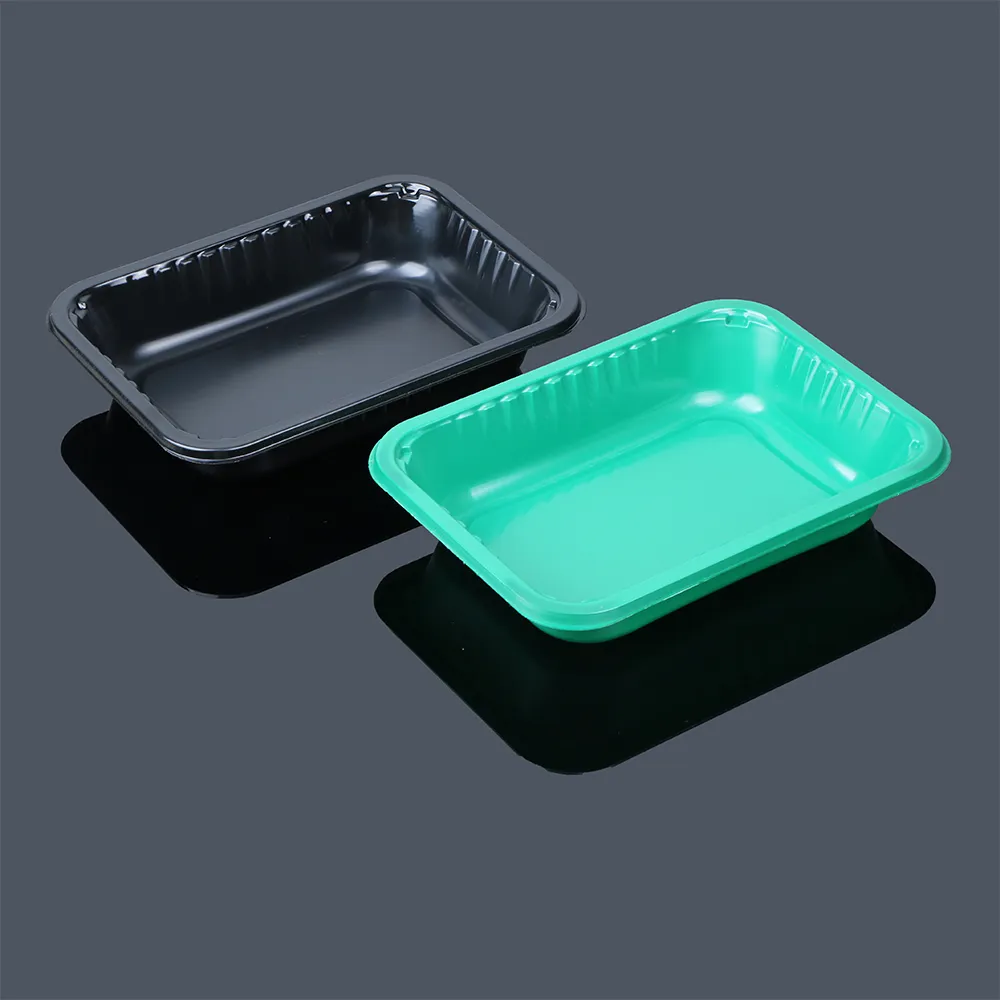
Exceptional Thermal Performance: From Deep Freeze to Hot OvenStable Across -40°C to +220°C: Why CPET Trays Excel in Dual-Ovenable ApplicationsCPET trays are engineered to withstand an exceptionally broad temperature range—from -40°C in deep freezers ...
VIEW MORE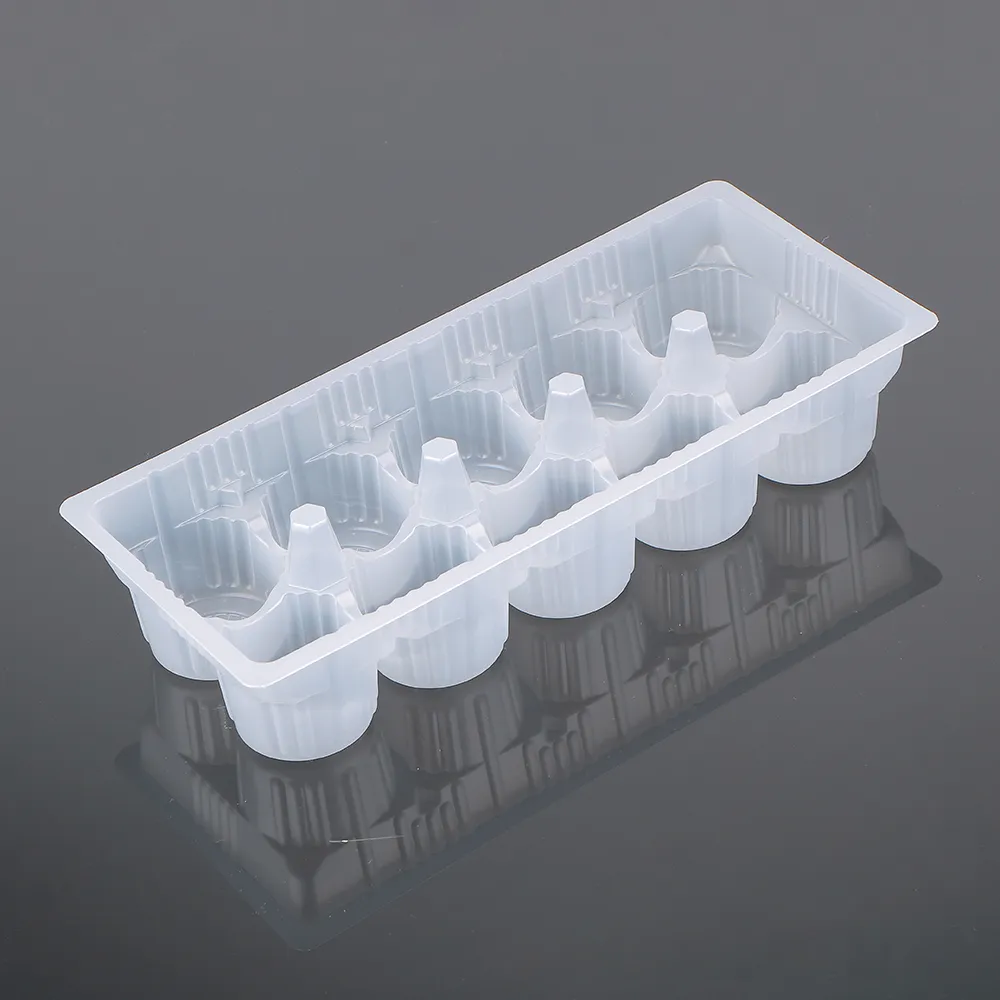
Extending Shelf Life with Advanced Barrier PropertiesAdvanced plastic meat tray designs incorporate engineered barrier layers—commonly EVOH (ethylene vinyl alcohol)—to drastically reduce oxygen and moisture transmission. This dual-barrier performance...
VIEW MORE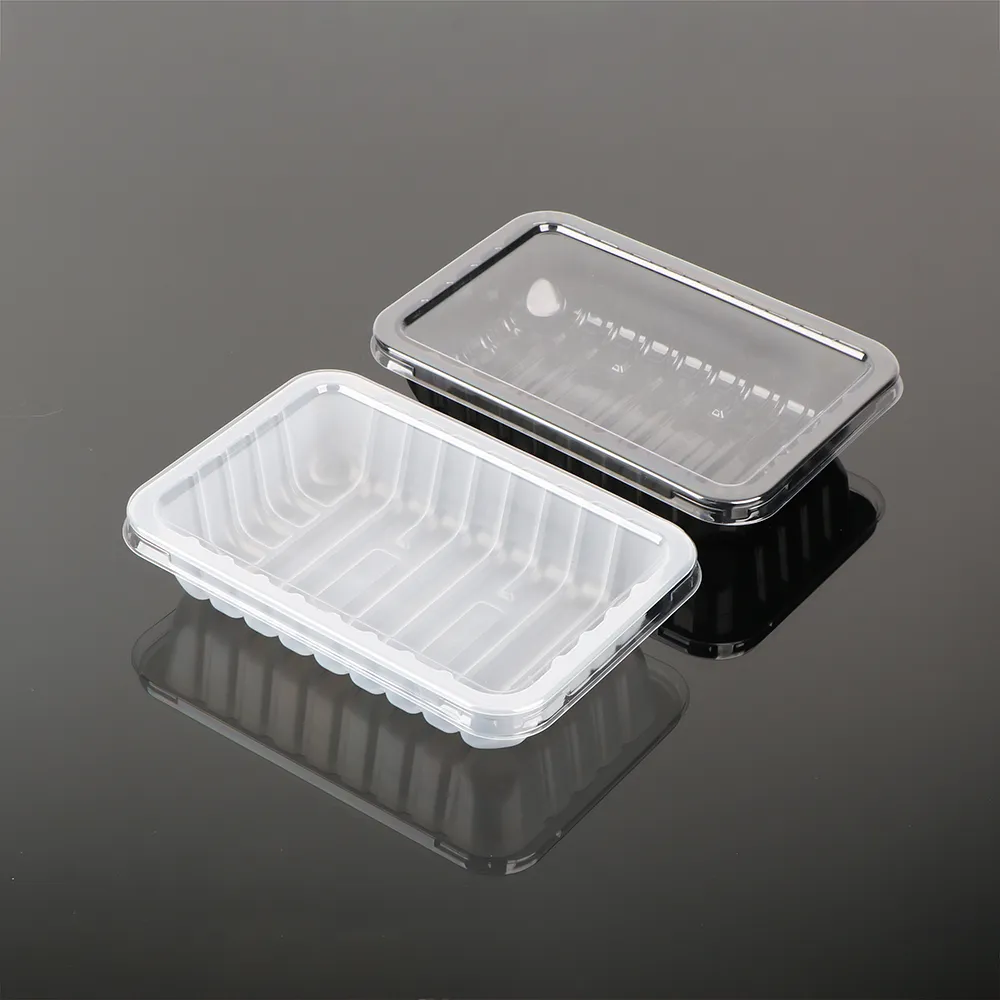
What Is Skin Packaging and How Does It Work?Skin packaging uses a flexible plastic film that is heated and then drawn tightly around a product, sealing it to a rigid substrate such as a tray or board. When combined with vacuum, the film conforms prec...
VIEW MORE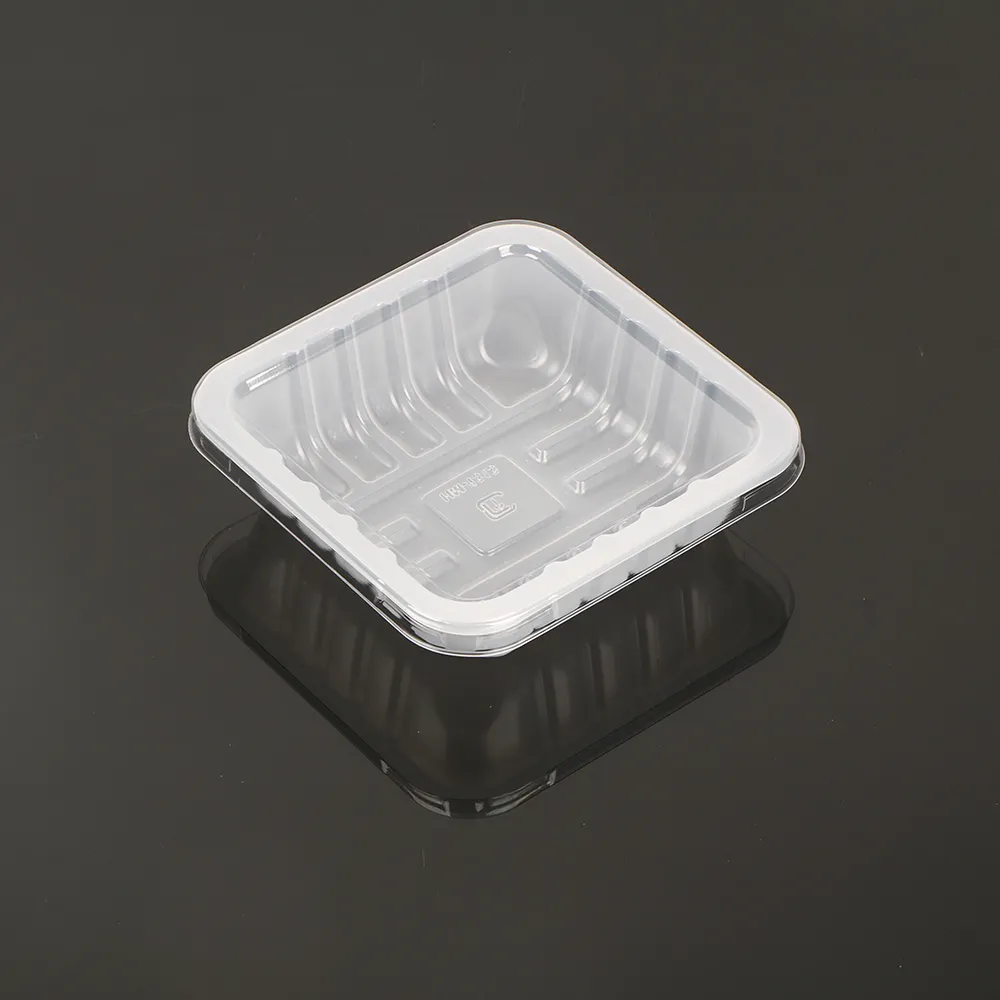
Superior Product Preservation with Skin Packaging Oxygen Reduction and Microbial Growth Inhibition Skin packaging uses vacuum and heat to form a tight, conforming film around the product—eliminating virtually all oxygen from the package. This...
VIEW MORE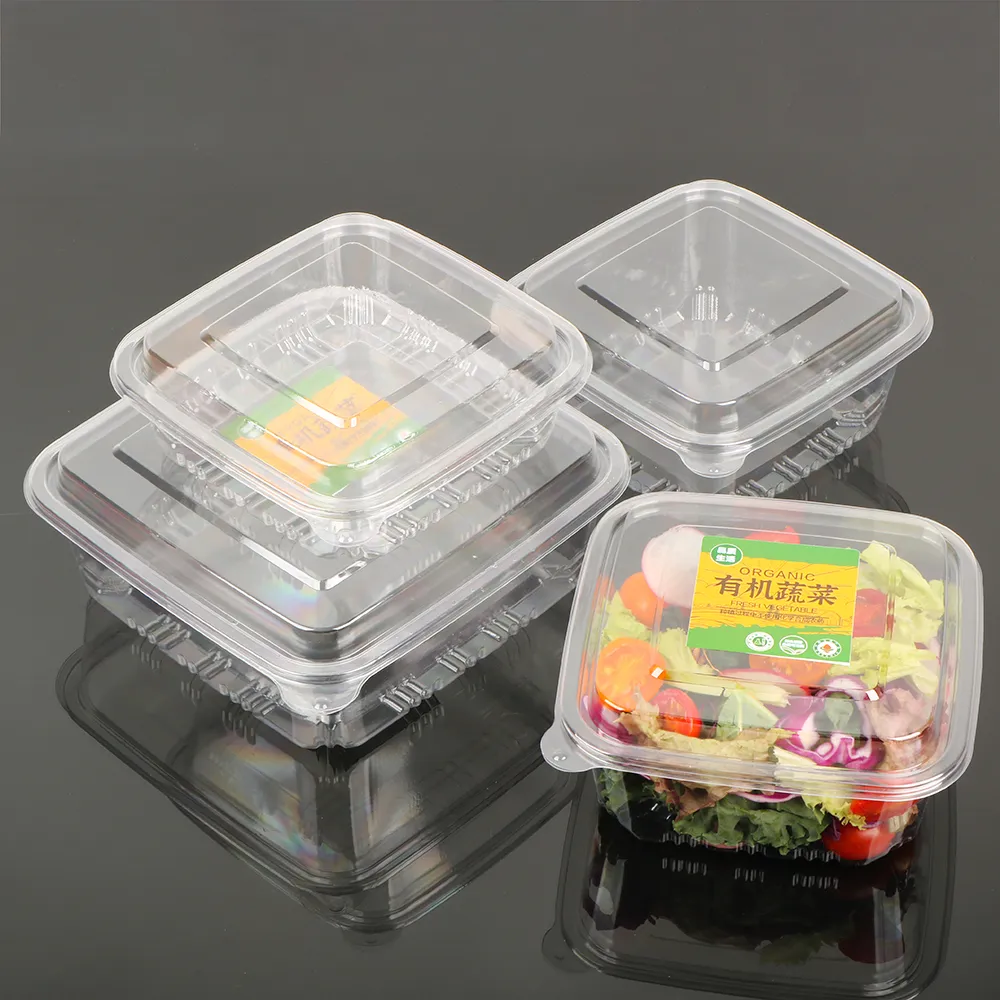
Superior Freshness & Shelf-Life Extension Through Advanced Salad Clamshell Packaging Barrier Technology and Modified Atmosphere Packaging (MAP) in Salad Clamshell Packaging Modern salad clamshell packaging combines high-barrier resins—such as...
VIEW MORE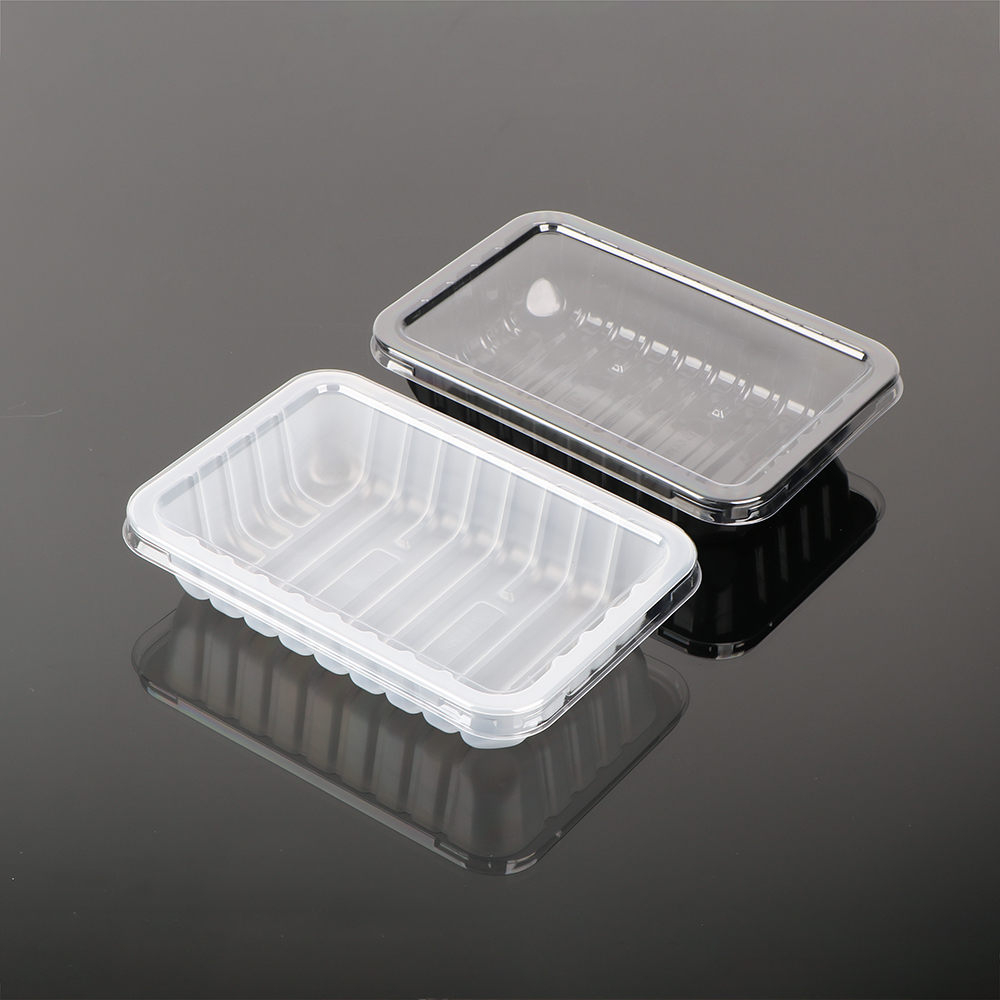
Material Science: Matching Polymer Properties to Salad Freshness & Food Safety PET vs. PP vs. PLA: Cold-Chain Integrity, Clarity, and Rigidity Trade-offs Selecting the right polymer for salad clamshell packaging directly impacts shelf life, food sa...
VIEW MORE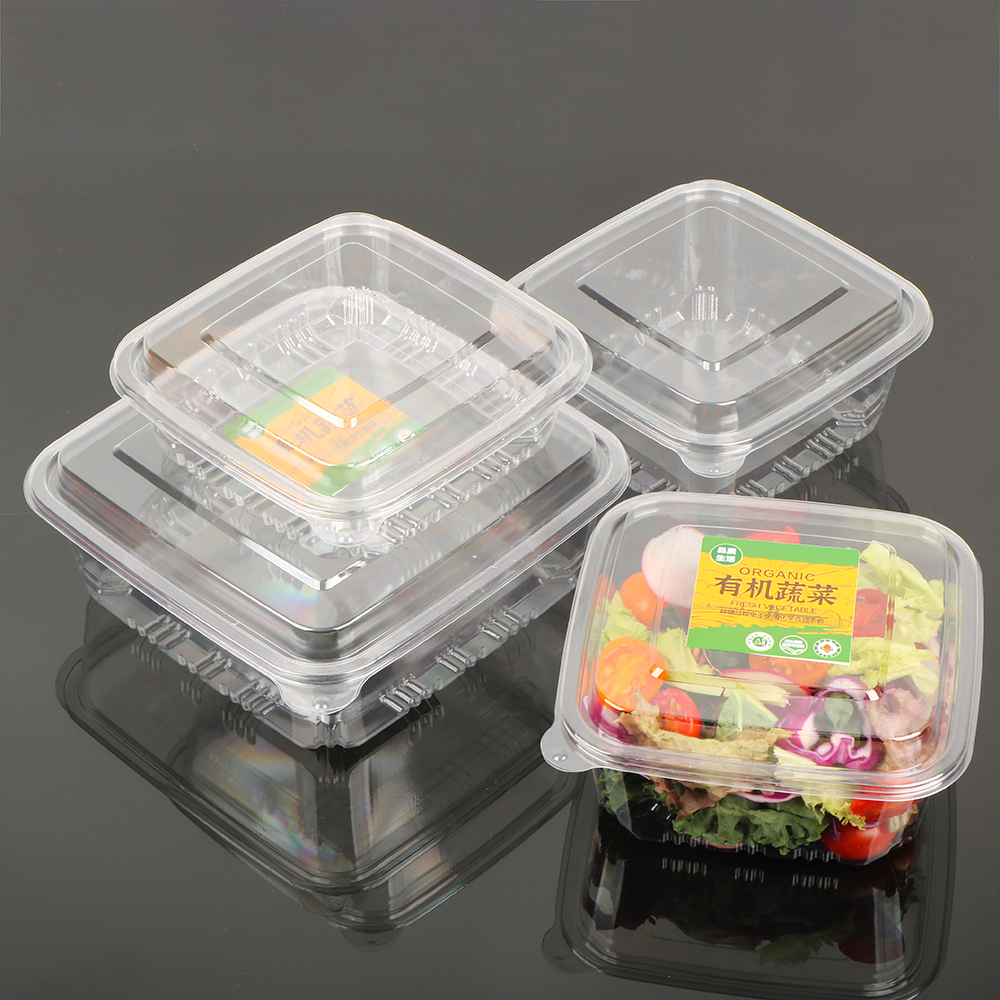
Effortless User Experience Through Smart Clamshell Design Flip-Lid Mechanism and Seamless One-Piece Construction A well-engineered salad clamshell starts with its lid: a precision-molded flip-lid built around a living hinge—a thin, flexible s...
VIEW MORE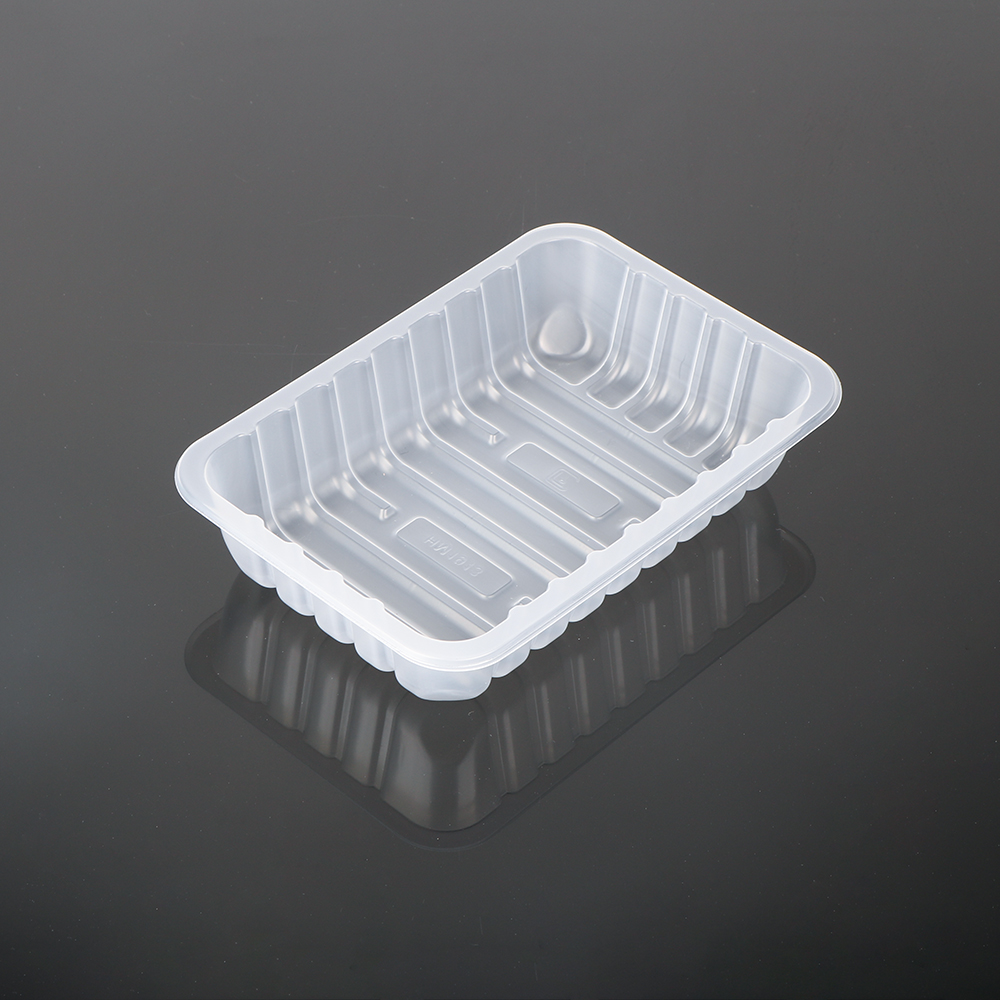
MAP Container Core Mechanism: Gas Composition and Its Shelf Life Impact Oxygen Reduction as the Primary Shelf Life Driver in MAP Containers The core principle of a MAP container is replacing ambient air with a precisely engineered gas blend—p...
VIEW MORE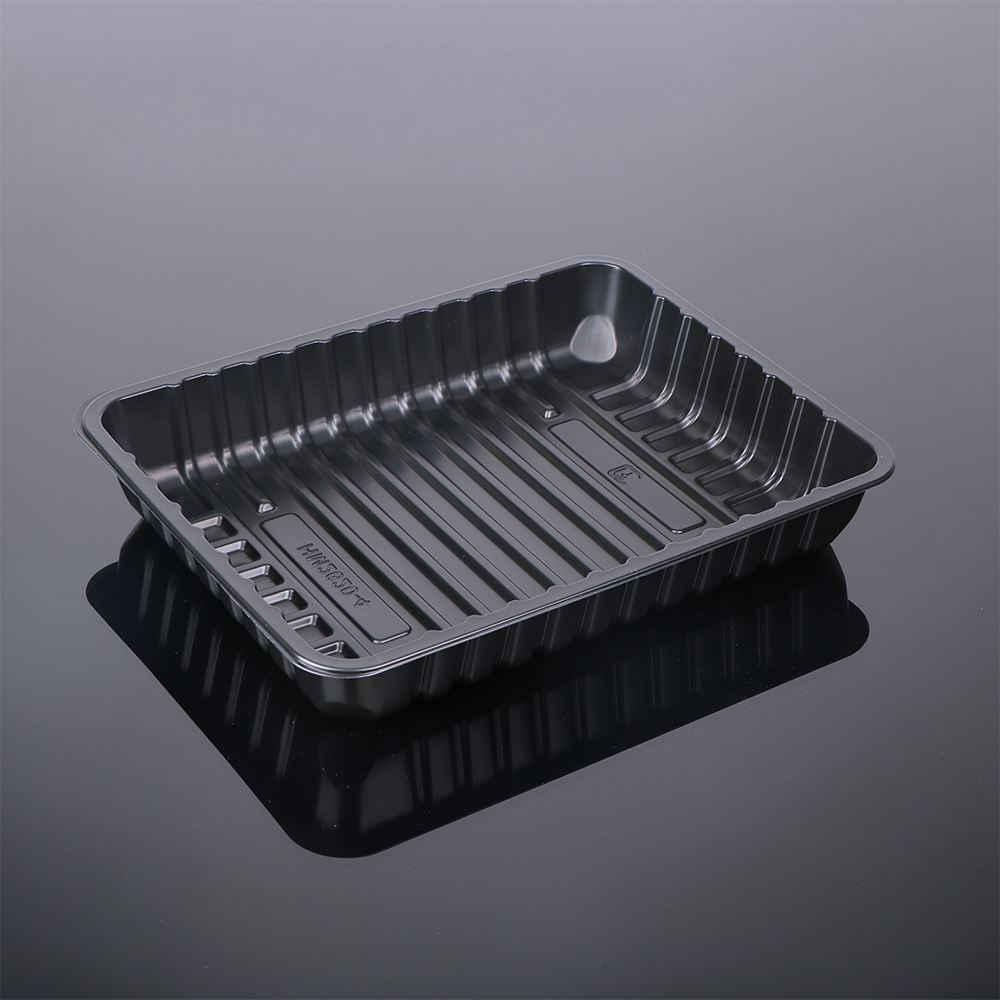
MAP Container: Definition, Core Mechanism, and Industry Context A MAP (Modified Atmosphere Packaging) container is a specialized packaging system that actively modifies the internal gas composition surrounding perishable products to extend freshnes...
VIEW MORE
Zhejiang Hengjiang Plastic Co., Ltd. provides custom food packaging solutions including PET/PP blister trays and injection-molded containers. BRC & FDA certified, GMP-compliant 100K cleanroom, 5,000-ton annual output. Request a quote today.
Lupu Industry Park, Yuhuan City, Zhejiang Province, China
Copyright © 2025 by Zhejiang Hengjiang Plastic Co., Ltd. Privacy Policy
 EN
EN